
Paul Johnson Books
Paul Johnson (1928–2023) was a British historian, journalist, and author known for his wide-ranging works on history, politics, and culture. His books include 'Modern Times', 'A History of the American People', and 'Intellectuals'.
Known for: The Birth Of The Modern: World Society 1815–1830, The Renaissance: A Short History
Books by Paul Johnson
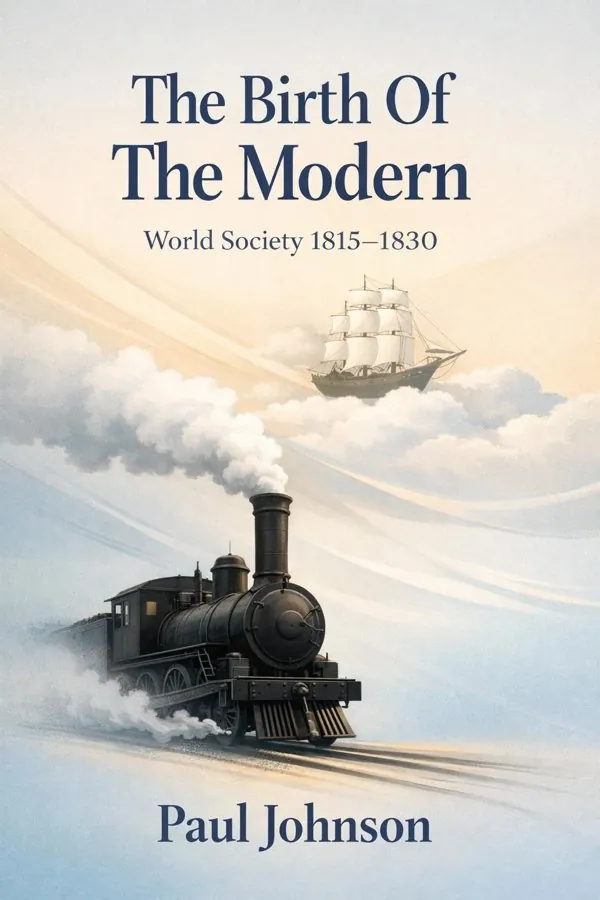
The Birth Of The Modern: World Society 1815–1830
A sweeping historical narrative that explores the transformation of global society between 1815 and 1830, following the end of the Napoleonic Wars. Paul Johnson examines how political, cultural, techn...
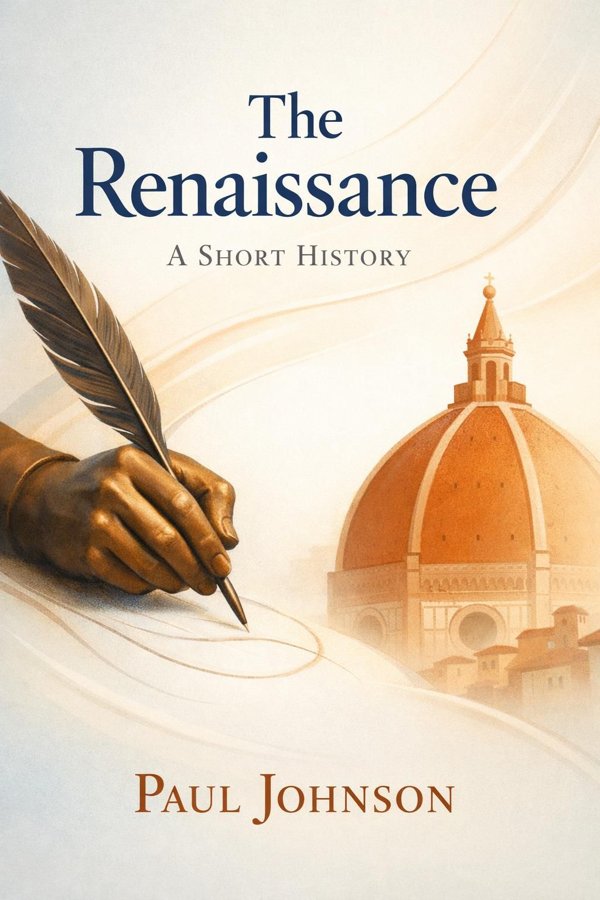
The Renaissance: A Short History
What happens when a civilization begins to believe again in the power of human talent, curiosity, and ambition? In The Renaissance: A Short History, Paul Johnson offers a lively and accessible account...
Key Insights from Paul Johnson
Post-Napoleonic Europe and the Congress of Vienna
In 1815, Europe stood exhausted but alive. Twenty-two years of war had overturned dynasties and consumed millions of lives. The Congress of Vienna was convened not merely to partition territory but to rebuild psychology—to restore a sense of order to a continent traumatized by revolution and conques...
From The Birth Of The Modern: World Society 1815–1830
The Emergence of New Political Ideologies
Every age has its vocabulary of freedom, and the years after 1815 were incandescent with invention—not of machines, but of words and ideas. Liberalism meant constitutionalism, equality before the law, and the primacy of reason. Nationalism meant a people’s right to self-determination. Conservatism m...
From The Birth Of The Modern: World Society 1815–1830
Italy’s City-States Sparked Cultural Rebirth
Great cultural revolutions rarely begin in unified, orderly nations; they often emerge from rivalry, wealth, and instability. Johnson argues that the Renaissance was born in the fragmented world of Italian city-states, where Florence, Venice, Milan, and Rome competed fiercely for prestige, trade, an...
From The Renaissance: A Short History
Humanism Recentered the Value of Man
A civilization changes when it changes the questions it asks. At the heart of the Renaissance, Johnson places humanism: the recovery of classical learning and the renewed belief that human beings possess dignity, rationality, and moral agency. Humanists such as Petrarch, Erasmus, and later a wide ci...
From The Renaissance: A Short History
Art Became a Study of Reality
Art changes history when it teaches people to see differently. Johnson presents Renaissance art as more than decoration or religious illustration; it was a revolution in perception. Artists began to study anatomy, perspective, proportion, light, and emotion with unprecedented seriousness. The result...
From The Renaissance: A Short History
Inquiry Opened the Road to Science
New knowledge often begins when people trust observation more than inherited authority. Johnson links the Renaissance to the early growth of scientific inquiry by showing how curiosity, skepticism, and disciplined investigation gained cultural legitimacy. This was not yet the fully developed Scienti...
From The Renaissance: A Short History
About Paul Johnson
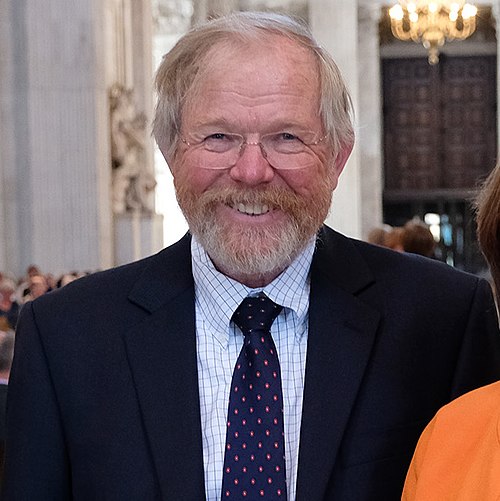
Paul Johnson (1928–2023) was a British historian, journalist, and author known for his wide-ranging works on history, politics, and culture. His books include 'Modern Times', 'A History of the American People', and 'Intellectuals'. He was recognized for his accessible narrative style and conservativ...
Read more
Paul Johnson (1928–2023) was a British historian, journalist, and author known for his wide-ranging works on history, politics, and culture. His books include 'Modern Times', 'A History of the American People', and 'Intellectuals'. He was recognized for his accessible narrative style and conservativ...
Paul Johnson (1928–2023) was a British historian, journalist, and author known for his wide-ranging works on history, politics, and culture. His books include 'Modern Times', 'A History of the American People', and 'Intellectuals'. He was recognized for his accessible narrative style and conservative perspective on historical interpretation.


Frequently Asked Questions
Paul Johnson (1928–2023) was a British historian, journalist, and author known for his wide-ranging works on history, politics, and culture. His books include 'Modern Times', 'A History of the American People', and 'Intellectuals'.
Read Paul Johnson's books in 15 minutes
Get AI-powered summaries with key insights from 2 books by Paul Johnson.