
Paul Graham Books
Paul Graham is a computer scientist, entrepreneur, and essayist known for co-founding Viaweb, one of the first web-based applications, which later became Yahoo! Store.
Known for: ANSI Common Lisp, An Introduction To Political Theory, Hackers & Painters: Big Ideas from the Computer Age, How to Start a Startup, On Lisp: Advanced Techniques for Common Lisp
Books by Paul Graham
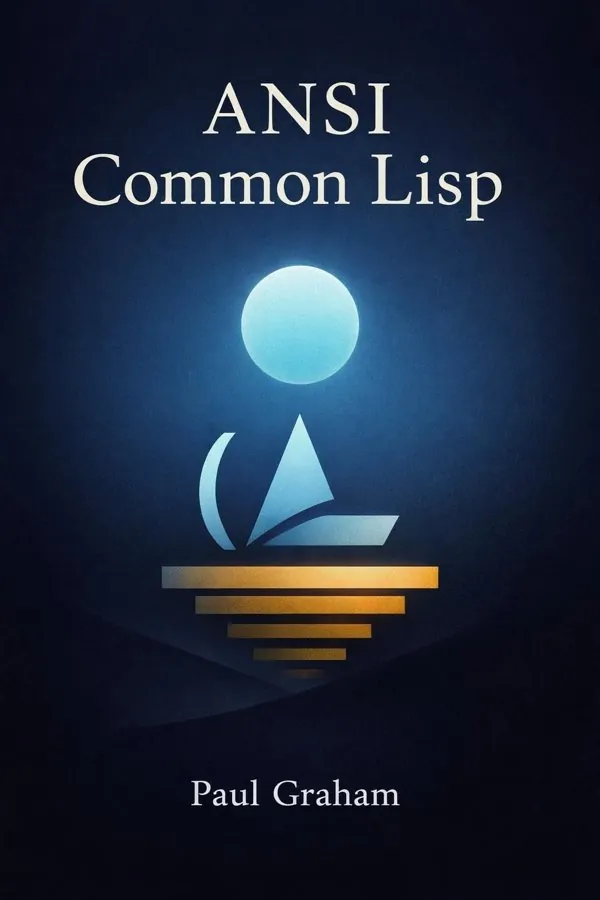
ANSI Common Lisp
ANSI Common Lisp is Paul Graham’s clear, rigorous, and unusually elegant introduction to one of programming’s most influential languages. More than a syntax guide, the book teaches readers how to thin...
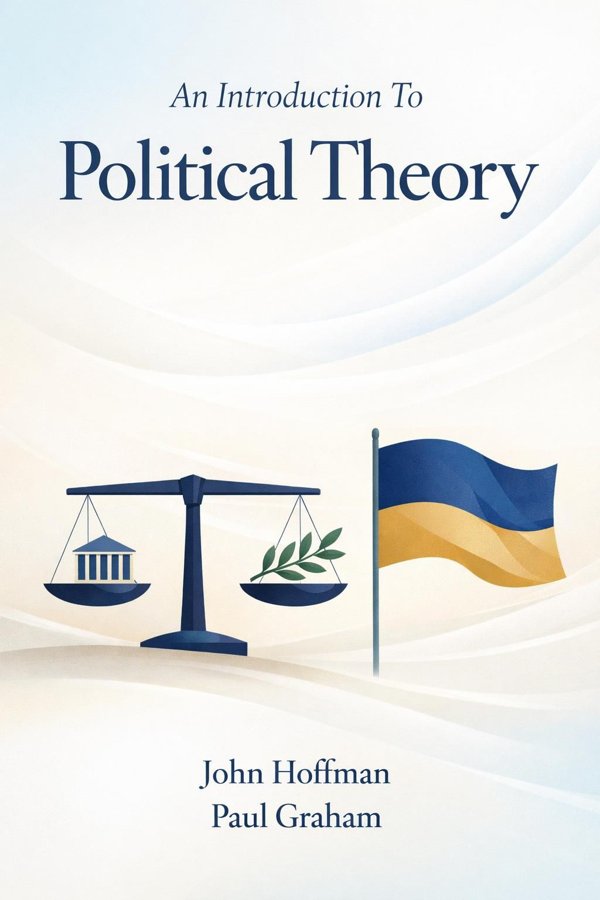
An Introduction To Political Theory
An Introduction to Political Theory provides a comprehensive overview of the key concepts, ideologies, and debates that shape modern political thought. It explores fundamental ideas such as liberty, e...
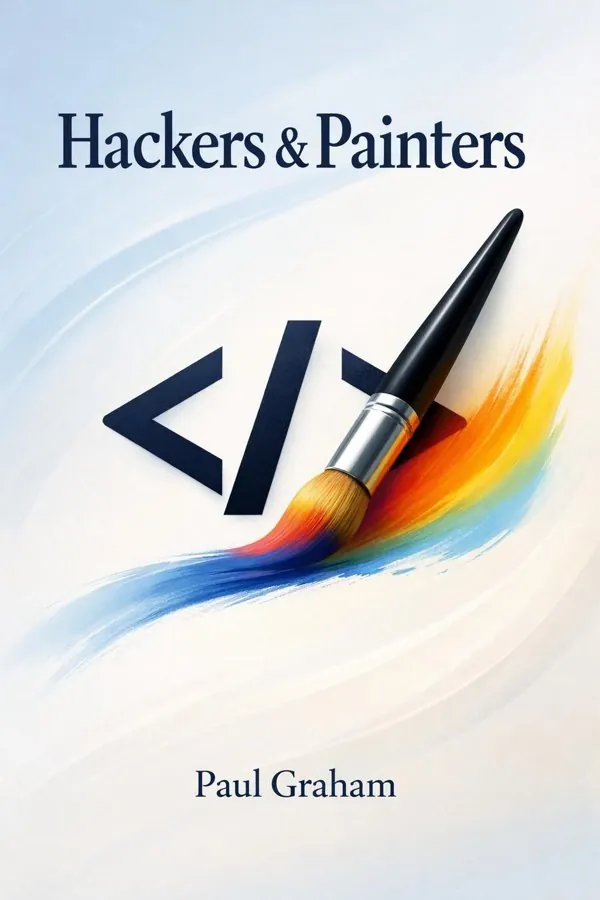
Hackers & Painters: Big Ideas from the Computer Age
Hackers & Painters is a collection of essays by Paul Graham exploring the intersection of technology, creativity, and entrepreneurship. Drawing parallels between computer programmers and artists, Grah...
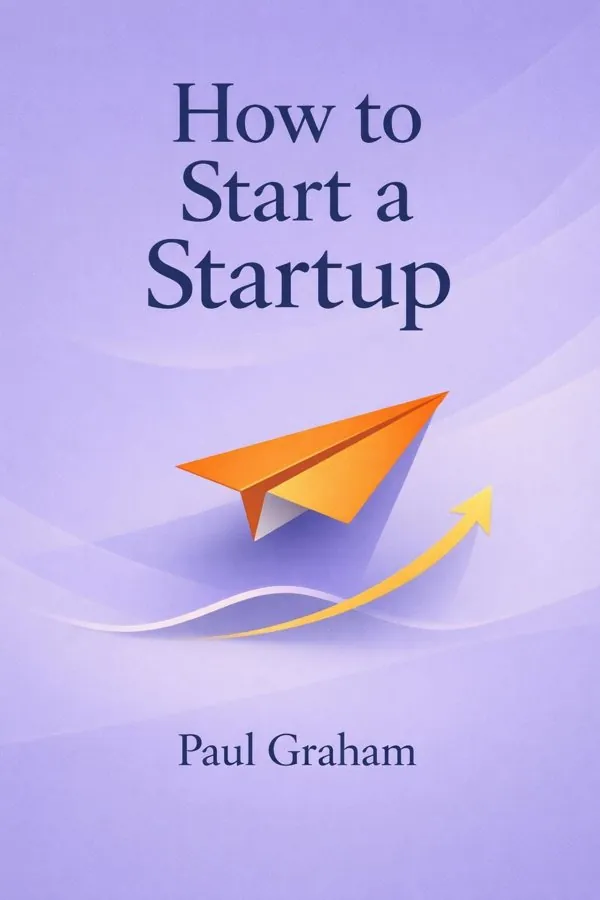
How to Start a Startup
This book is a collection of essays and talks by Paul Graham, co-founder of Y Combinator, offering practical and philosophical guidance on launching and growing a startup. It covers topics such as ide...
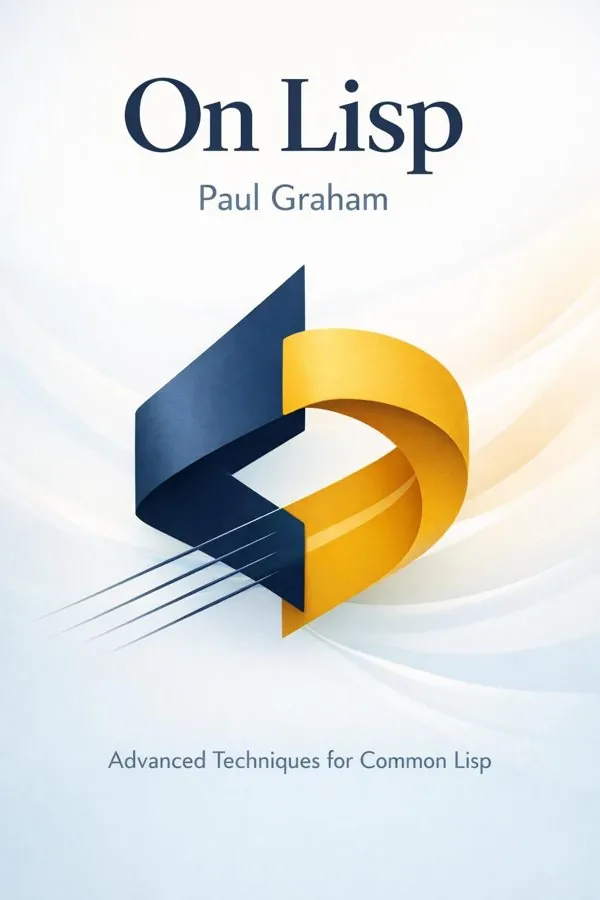
On Lisp: Advanced Techniques for Common Lisp
On Lisp is a comprehensive exploration of advanced programming techniques in Common Lisp. Paul Graham delves into the power of Lisp macros, functional programming, and metaprogramming, demonstrating h...
Key Insights from Paul Graham
Why Common Lisp Became a Language of Ideas
Some programming languages are built to manage hardware efficiently; Lisp was built to express thought. That difference explains why Common Lisp feels so distinctive. Originating in John McCarthy’s late-1950s work on symbolic computation, Lisp treated programs not merely as sequences of machine inst...
From ANSI Common Lisp
Atoms, Lists, and the Shape of Code
The deepest power in Lisp begins with a deceptively simple idea: code and data share the same basic form. In Common Lisp, atoms—such as numbers, symbols, and strings—and lists form the building blocks of nearly everything. A list can represent raw data, a function call, a configuration, or even an e...
From ANSI Common Lisp
Functions, Variables, and Controlled Evaluation
A language becomes elegant when a small number of rules can explain a wide range of behavior. In Common Lisp, much of that elegance comes from understanding how values are bound, how functions are called, and how expressions are evaluated. Graham introduces variables, lexical scope, function definit...
From ANSI Common Lisp
Choosing Data Structures with Purpose
Good programmers do not merely store data; they choose representations that make the problem easier to solve. ANSI Common Lisp emphasizes this through its coverage of lists, arrays, structures, and hash tables. Common Lisp is often associated with linked lists, but Graham is careful to show that the...
From ANSI Common Lisp
Recursion and Iteration as Ways of Thinking
Many programmers learn recursion as a technical trick; Lisp invites you to see it as a way of modeling structure. Because lists and trees are naturally recursive, operations on them often become clearer when written recursively. A function that sums a list, searches a tree, or transforms nested expr...
From ANSI Common Lisp
Macros Turn Programming into Language Design
The most famous Lisp insight is also the one that changes how programmers think forever: if code is data, then programs can write programs. Macros are the mechanism that makes this practical. In Common Lisp, macros let you define new syntactic forms that are expanded before evaluation, allowing you ...
From ANSI Common Lisp
About Paul Graham
Paul Graham is a computer scientist, entrepreneur, and essayist known for co-founding Viaweb, one of the first web-based applications, which later became Yahoo! Store. He is also the co-founder of Y Combinator, a pioneering startup accelerator. Graham’s essays on technology, startups, and programmin...
Read more
Paul Graham is a computer scientist, entrepreneur, and essayist known for co-founding Viaweb, one of the first web-based applications, which later became Yahoo! Store. He is also the co-founder of Y Combinator, a pioneering startup accelerator. Graham’s essays on technology, startups, and programmin...
Paul Graham is a computer scientist, entrepreneur, and essayist known for co-founding Viaweb, one of the first web-based applications, which later became Yahoo! Store. He is also the co-founder of Y Combinator, a pioneering startup accelerator. Graham’s essays on technology, startups, and programming have influenced generations of developers and founders worldwide.



Frequently Asked Questions
Paul Graham is a computer scientist, entrepreneur, and essayist known for co-founding Viaweb, one of the first web-based applications, which later became Yahoo! Store.
Read Paul Graham's books in 15 minutes
Get AI-powered summaries with key insights from 5 books by Paul Graham.