
Massimo Pigliucci Books
Massimo Pigliucci is an Italian-American philosopher, biologist, and author. He is a professor of philosophy at the City College of New York and a prominent advocate for Stoic philosophy in the modern era.
Known for: A Handbook for New Stoics: How to Thrive in a World Out of Your Control—52 Week-by-Week Lessons, How to Be a Stoic: Using Ancient Philosophy to Live a Modern Life, How to Live a Good Life: A Guide to Choosing Your Personal Philosophy
Books by Massimo Pigliucci
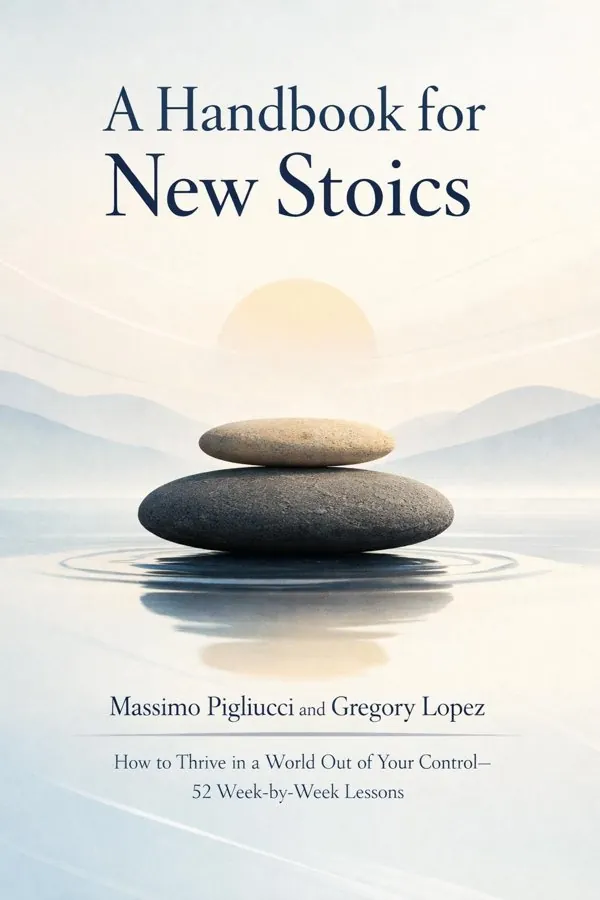
A Handbook for New Stoics: How to Thrive in a World Out of Your Control—52 Week-by-Week Lessons
A Handbook for New Stoics offers a year-long program of weekly exercises designed to help readers apply Stoic philosophy to modern life. Drawing on ancient wisdom from thinkers like Epictetus and Sene...
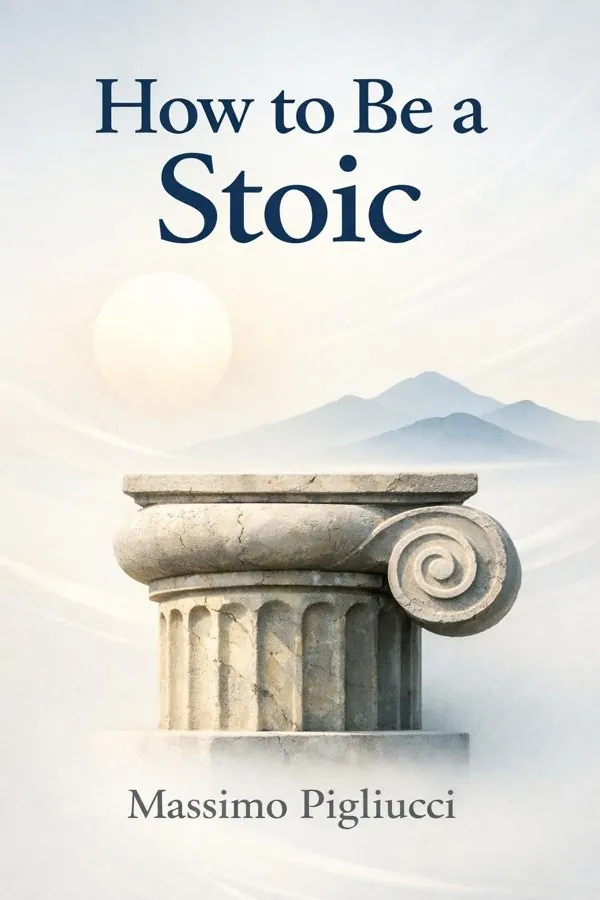
How to Be a Stoic: Using Ancient Philosophy to Live a Modern Life
In this accessible and engaging guide, philosopher Massimo Pigliucci explores how Stoic philosophy can help people navigate the challenges of modern life. Drawing on the teachings of Epictetus, Seneca...
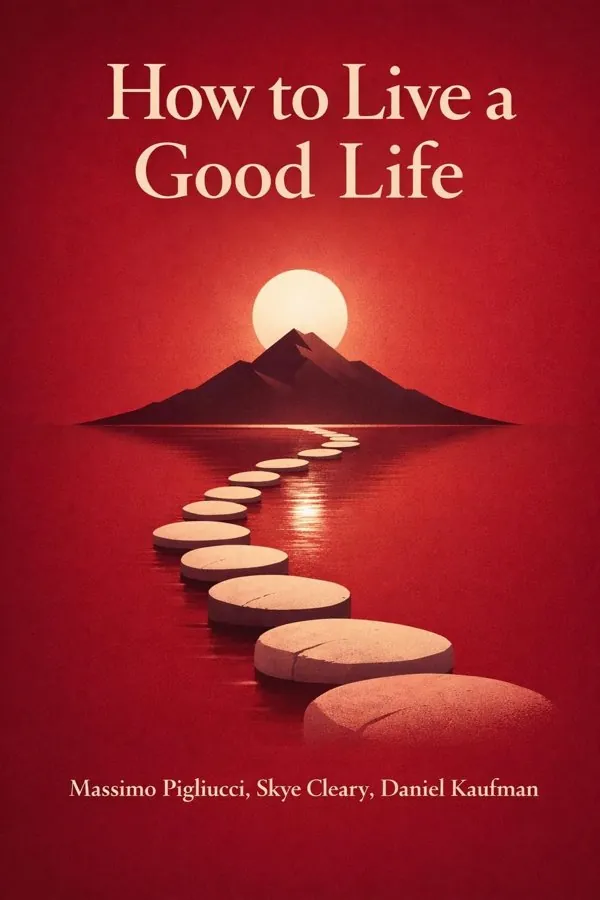
How to Live a Good Life: A Guide to Choosing Your Personal Philosophy
This book presents a collection of essays by philosophers and thinkers exploring how different philosophical traditions—from Stoicism and Buddhism to existentialism and pragmatism—offer guidance for l...
Key Insights from Massimo Pigliucci
Understanding Control
The first step in practicing Stoicism is learning to distinguish between what is under our control and what is not—a teaching that originates from Epictetus, who said that some things are up to us, and others are not. This may sound simple, but it is the most radical and freeing idea in all of Stoic...
From A Handbook for New Stoics: How to Thrive in a World Out of Your Control—52 Week-by-Week Lessons
Perception and Judgment
Once you have established what you can control, the next focus is on how you perceive and judge events. In Stoicism, emotions do not arise directly from the world—they arise from our interpretations of the world. When we say something 'made us angry,' we overlook the truth that anger emerges from ho...
From A Handbook for New Stoics: How to Thrive in a World Out of Your Control—52 Week-by-Week Lessons
Meeting Epictetus
Stoicism begins for me — and perhaps for many others — with Epictetus, the former slave who became one of antiquity’s most lucid moral teachers. His core insight, the dichotomy of control, changed everything about how I saw the world. According to Epictetus, the first step toward wisdom is to distin...
From How to Be a Stoic: Using Ancient Philosophy to Live a Modern Life
The Nature of Virtue
The Stoics held that virtue — encompassing wisdom, courage, justice, and temperance — is the only true good. Everything else, from wealth to health, they called 'preferred indifferents': desirable perhaps, but not determinant of moral worth. This radical idea unsettled me at first. Could virtue alon...
From How to Be a Stoic: Using Ancient Philosophy to Live a Modern Life
Ancient Wisdom: Stoicism, Epicureanism, and Aristotelianism
Philosophy’s classical roots are found in the thinkers who first asked how human beings might flourish amid change and uncertainty. The Stoics, like Epictetus and Seneca, taught us that virtue and reason stand above circumstance. Stoicism trains the mind to distinguish between what is within our con...
From How to Live a Good Life: A Guide to Choosing Your Personal Philosophy
Eastern Traditions: Buddhism, Confucianism, and Daoism
When we turn East, we find not a contrast but a deep resonance. Buddhism begins with suffering—acknowledging it, examining its roots, and transforming it. The Buddha’s insight was that suffering arises from craving, the mind’s habitual attachment to what changes. Mindfulness, then, becomes more than...
From How to Live a Good Life: A Guide to Choosing Your Personal Philosophy
About Massimo Pigliucci
Massimo Pigliucci is an Italian-American philosopher, biologist, and author. He is a professor of philosophy at the City College of New York and a prominent advocate for Stoic philosophy in the modern era. His work often bridges science and philosophy, focusing on ethics, rationality, and the practi...
Read more
Massimo Pigliucci is an Italian-American philosopher, biologist, and author. He is a professor of philosophy at the City College of New York and a prominent advocate for Stoic philosophy in the modern era. His work often bridges science and philosophy, focusing on ethics, rationality, and the practi...
Massimo Pigliucci is an Italian-American philosopher, biologist, and author. He is a professor of philosophy at the City College of New York and a prominent advocate for Stoic philosophy in the modern era. His work often bridges science and philosophy, focusing on ethics, rationality, and the practical application of ancient wisdom.


Frequently Asked Questions
Massimo Pigliucci is an Italian-American philosopher, biologist, and author. He is a professor of philosophy at the City College of New York and a prominent advocate for Stoic philosophy in the modern era.
Read Massimo Pigliucci's books in 15 minutes
Get AI-powered summaries with key insights from 3 books by Massimo Pigliucci.