
Lewis Thomas Books
Lewis Thomas (1913–1993) was an American physician, researcher, and essayist known for his reflective writings on biology, medicine, and human nature. He served as president of Memorial Sloan-Kettering Cancer Center and contributed significantly to science communication through his essays.
Known for: The Lives of a Cell: Notes of a Biology Watcher, The Medusa and the Snail: More Notes of a Biology Watcher
Books by Lewis Thomas
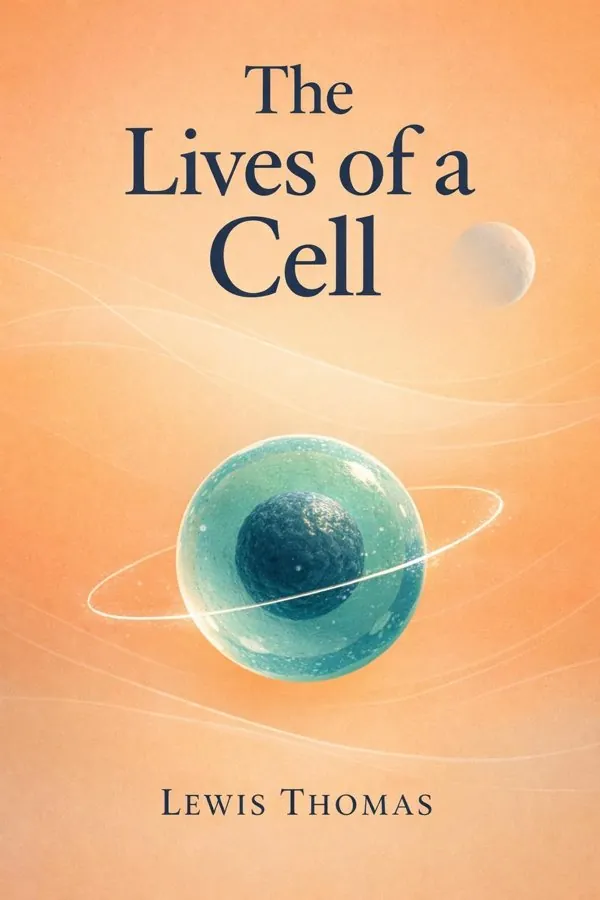
The Lives of a Cell: Notes of a Biology Watcher
The Lives of a Cell: Notes of a Biology Watcher is a luminous collection of essays in which Lewis Thomas invites readers to see life not as a set of isolated organisms, but as a vast, interconnected w...
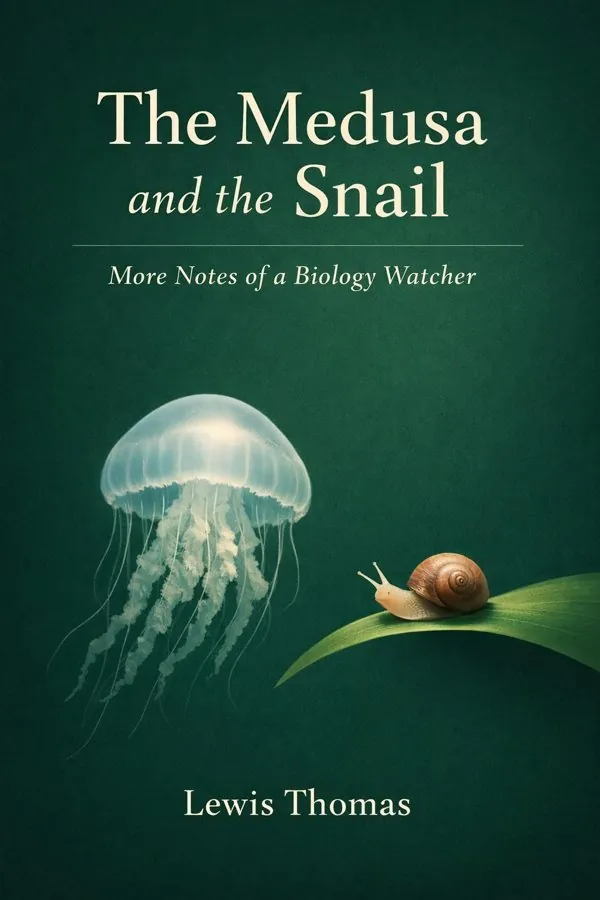
The Medusa and the Snail: More Notes of a Biology Watcher
What if biology were not just a science of organs, cells, and species, but a way of seeing the world with greater humility, wonder, and intelligence? In The Medusa and the Snail, Lewis Thomas invites ...
Key Insights from Lewis Thomas
A Cell Reflects the Whole Earth
A single cell can be read as a miniature portrait of the planet. This is the central imaginative leap Lewis Thomas asks us to make: instead of seeing the cell as a sealed, independent unit, he invites us to view it as a bustling community shaped by exchange, coordination, and constant dependence on ...
From The Lives of a Cell: Notes of a Biology Watcher
Language Behaves Like a Living Organism
Language is one of humanity’s greatest inventions, yet Thomas suggests it may also be one of our most biological phenomena. Rather than treating language as a static tool we consciously control, he portrays it as something that grows, adapts, mutates, and spreads through communities much like a livi...
From The Lives of a Cell: Notes of a Biology Watcher
Human Societies Resemble Living Systems
A society is not literally an organism, but Thomas argues that it behaves in ways strikingly similar to one. Human groups coordinate, specialize, communicate, repair damage, and adapt under pressure. Cities resemble metabolic centers, institutions function like organs, and cultural norms act as regu...
From The Lives of a Cell: Notes of a Biology Watcher
Nature Operates Through Hidden Music
What if the world is held together less by force than by rhythm? In essays such as those evoked by The Music of This Sphere and Vibes, Thomas reflects on the subtle coordination that runs through living and physical systems. Cells signal one another, organisms synchronize behavior, and environments ...
From The Lives of a Cell: Notes of a Biology Watcher
Microbes Are Partners, Not Just Enemies
One of Thomas’s most important correctives is his treatment of germs. Modern culture often imagines microbes as invaders to be feared and eliminated, but biology tells a more complex story. Yes, some microorganisms cause disease. Yet many are indispensable companions. They digest food, shape immunit...
From The Lives of a Cell: Notes of a Biology Watcher
Evolution Works Through Deep Continuity
The long habit of life is continuity through change. Thomas repeatedly emphasizes that humans are not late arrivals who escaped biology; we are built from ancient inheritances. The molecules in our cells, the structure of metabolism, the logic of reproduction, and the vulnerabilities of the body all...
From The Lives of a Cell: Notes of a Biology Watcher
About Lewis Thomas
Lewis Thomas (1913–1993) was an American physician, researcher, and essayist known for his reflective writings on biology, medicine, and human nature. He served as president of Memorial Sloan-Kettering Cancer Center and contributed significantly to science communication through his essays.


Frequently Asked Questions
Lewis Thomas (1913–1993) was an American physician, researcher, and essayist known for his reflective writings on biology, medicine, and human nature. He served as president of Memorial Sloan-Kettering Cancer Center and contributed significantly to science communication through his essays.
Read Lewis Thomas's books in 15 minutes
Get AI-powered summaries with key insights from 2 books by Lewis Thomas.