
Justin E. H. Smith Books
Justin E. H.
Known for: Irrationality: A History of the Dark Side of Reason, The Internet Is Not What You Think It Is: A History, a Philosophy, a Warning
Books by Justin E. H. Smith
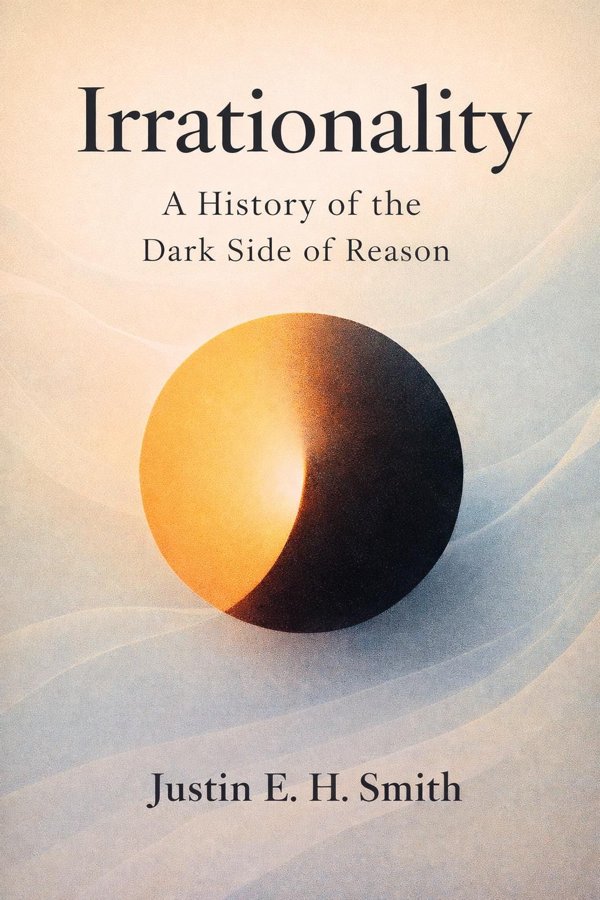
Irrationality: A History of the Dark Side of Reason
Why do human beings keep producing superstition, fanaticism, conspiracy, and self-deception in cultures that pride themselves on reason? In Irrationality, philosopher and historian Justin E. H. Smith ...
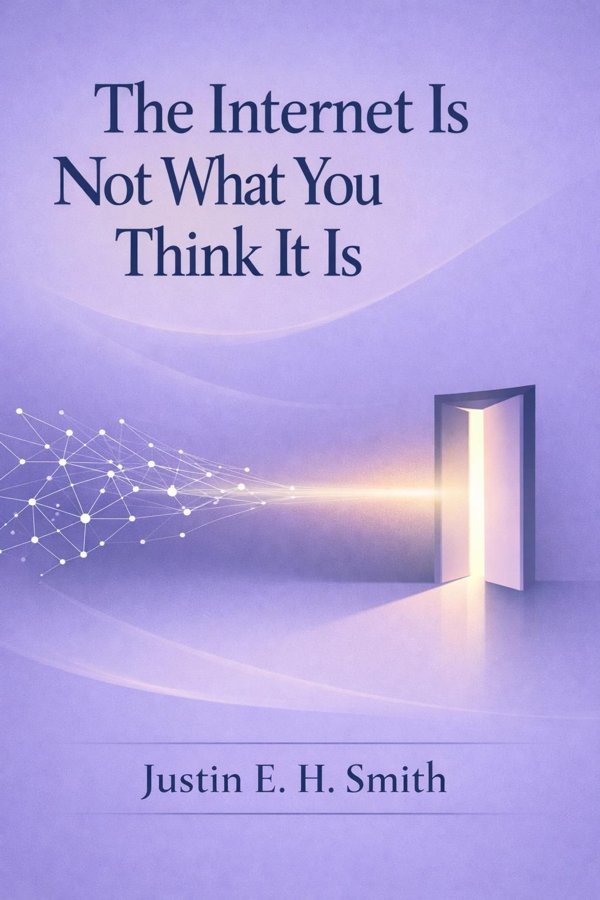
The Internet Is Not What You Think It Is: A History, a Philosophy, a Warning
In this thought-provoking work, philosopher Justin E. H. Smith explores the origins, nature, and consequences of the internet. He argues that the internet is not a neutral tool but a reflection of hum...
Key Insights from Justin E. H. Smith
Ancient Reason Was Never Pure
A civilization does not discover reason by leaving irrationality behind; it discovers reason by trying to name, tame, and live alongside it. Smith begins in ancient Greece, where philosophy first gave systematic attention to what it means to think well, act justly, and distinguish knowledge from con...
From Irrationality: A History of the Dark Side of Reason
Medieval Thought Joined Faith and Logic
Mystery does not always oppose reason; sometimes it gives reason its work to do. In the medieval world, Smith shows, intellectual life was not defined by a simple surrender to dogma. Instead, theological culture created one of history’s most ambitious efforts to integrate faith, logic, metaphysics, ...
From Irrationality: A History of the Dark Side of Reason
The Enlightenment Carried Its Own Shadow
The age that celebrated reason most loudly also revealed how easily reason can become self-righteous, abstract, and blind to its own excesses. Smith treats the Enlightenment not as a false project, but as a paradoxical one. It advanced science, criticism, secular inquiry, and universal ideals of hum...
From Irrationality: A History of the Dark Side of Reason
Romanticism Restored Emotion and Imagination
Human beings do not live by logic alone, and any culture that forgets this invites a revolt. In response to the abstractions of Enlightenment thought, Romanticism elevated feeling, imagination, creativity, nature, and inward experience. Smith interprets this not as a simple rejection of reason, but ...
From Irrationality: A History of the Dark Side of Reason
Science Never Fully Escaped Human Bias
Scientific method is one of humanity’s greatest tools for correcting error, yet scientists remain human beings shaped by hopes, prestige, habits, and cultural assumptions. Smith argues that modern science should not be romanticized as a realm purified of irrationality. Its power lies precisely in th...
From Irrationality: A History of the Dark Side of Reason
Politics Thrives on Collective Irrationality
Groups can become convinced of things no thoughtful individual would endorse alone. Smith explores political irrationality as a recurring feature of modern public life, not a rare breakdown. Ideologies, national myths, mass movements, and partisan identities all rely on emotional energy, symbolic na...
From Irrationality: A History of the Dark Side of Reason
About Justin E. H. Smith
Justin E. H. Smith is a professor of history and philosophy of science at the Université Paris Cité. His research focuses on early modern philosophy, the history of science, and the intersection of technology and human thought. He is also the author of several books exploring the relationship betwee...
Read more
Justin E. H. Smith is a professor of history and philosophy of science at the Université Paris Cité. His research focuses on early modern philosophy, the history of science, and the intersection of technology and human thought. He is also the author of several books exploring the relationship betwee...
Justin E. H. Smith is a professor of history and philosophy of science at the Université Paris Cité. His research focuses on early modern philosophy, the history of science, and the intersection of technology and human thought. He is also the author of several books exploring the relationship between philosophy, culture, and the natural world.


Frequently Asked Questions
Justin E. H.
Read Justin E. H. Smith's books in 15 minutes
Get AI-powered summaries with key insights from 2 books by Justin E. H. Smith.