
José Eduardo Agualusa Books
José Eduardo Agualusa is an Angolan writer born in Huambo in 1960. Known for his lyrical prose and exploration of African Lusophone identities, his works often address Angola’s history and culture.
Known for: A General Theory of Oblivion, The Book Of Chameleons
Books by José Eduardo Agualusa
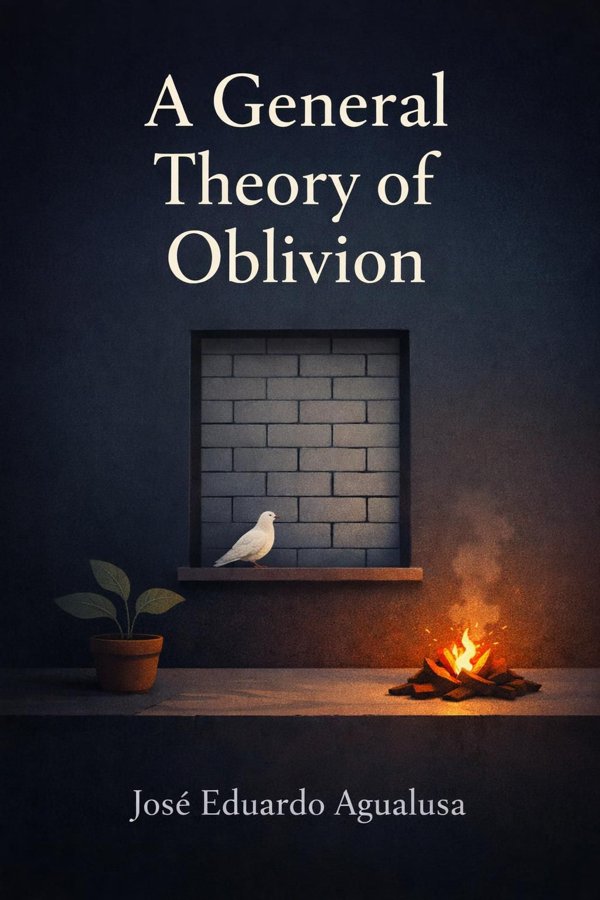
A General Theory of Oblivion
A General Theory of Oblivion is a haunting, inventive novel about fear, history, and the strange ways human beings endure. At its center is Ludovica, or Ludo, a Portuguese woman living in Luanda, Ango...
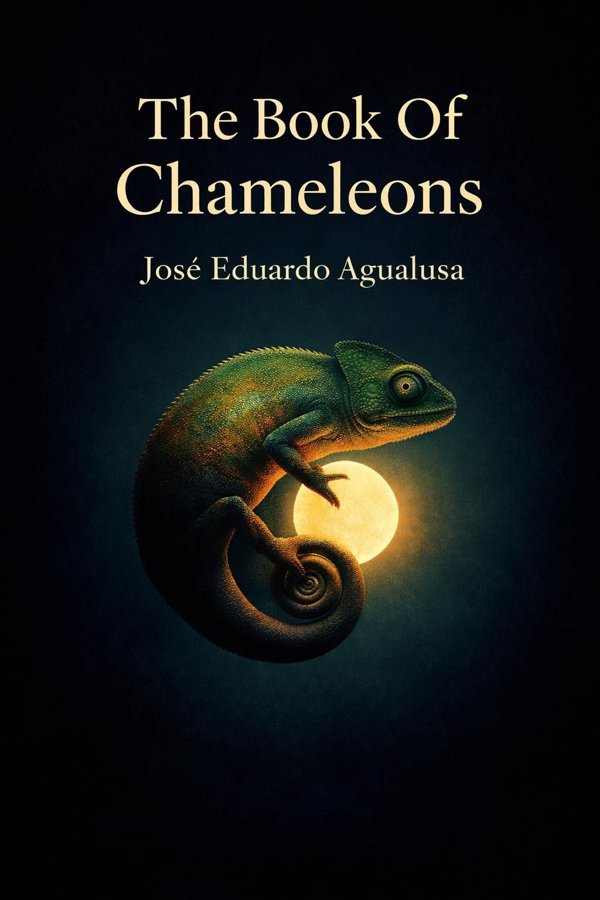
The Book Of Chameleons
What if your past could be rewritten as easily as a passport application? In The Book Of Chameleons, José Eduardo Agualusa builds an unforgettable premise around that unsettling possibility. The novel...
Key Insights from José Eduardo Agualusa
Isolation and the Birth of Silence
Sometimes the walls we build for safety become the architecture of our inner lives. Ludo’s story begins with a dramatic physical act: on the eve of Angola’s independence, terrified by violence and uncertainty, she seals herself inside her Luanda apartment. Yet Agualusa makes clear that this retreat ...
From A General Theory of Oblivion
The World Beyond the Walls
No one lives outside history, even when they try to hide from it. One of the novel’s greatest strengths is the way it refuses to let Ludo’s isolation become the whole story. As the years pass, Agualusa widens the lens. Through a series of vivid, interconnected episodes, he introduces soldiers, neigh...
From A General Theory of Oblivion
The Awakening Through Sabalu’s Arrival
Sometimes renewal does not come through grand revelation, but through an unexpected human presence. Late in the novel, Ludo’s long enclosure begins to shift because of Sabalu, a young boy whose arrival breaks the sealed logic of her solitary existence. Until this point, her survival has depended on ...
From A General Theory of Oblivion
History Lives Through Fragmented Stories
The truth of a nation is rarely told in a straight line. A General Theory of Oblivion is structured like a mosaic, assembling Angola’s turbulent decades through fragments rather than a single continuous narrative. Agualusa moves between characters, timelines, and tones, creating a book that feels le...
From A General Theory of Oblivion
Memory as Shelter and Burden
What we remember can keep us alive, but it can also keep us trapped. For Ludo, memory is one of the few resources that remains available inside her sealed apartment. Deprived of social life and ordinary movement, she turns increasingly to recollection, imagination, and reflection. Her writing on the...
From A General Theory of Oblivion
Survival Demands Improvisation, Not Purity
In times of upheaval, survival rarely looks noble from the outside. One of Agualusa’s most humane insights is that people under pressure improvise, compromise, steal, barter, disguise, and adapt in ways that resist easy moral judgment. Ludo survives by using whatever remains around her. Others in th...
From A General Theory of Oblivion
About José Eduardo Agualusa
José Eduardo Agualusa is an Angolan writer born in Huambo in 1960. Known for his lyrical prose and exploration of African Lusophone identities, his works often address Angola’s history and culture. He is the author of several internationally acclaimed novels, including The Book of Chameleons and Cre...
Read more
José Eduardo Agualusa is an Angolan writer born in Huambo in 1960. Known for his lyrical prose and exploration of African Lusophone identities, his works often address Angola’s history and culture. He is the author of several internationally acclaimed novels, including The Book of Chameleons and Cre...
José Eduardo Agualusa is an Angolan writer born in Huambo in 1960. Known for his lyrical prose and exploration of African Lusophone identities, his works often address Angola’s history and culture. He is the author of several internationally acclaimed novels, including The Book of Chameleons and Creole.





Frequently Asked Questions
José Eduardo Agualusa is an Angolan writer born in Huambo in 1960. Known for his lyrical prose and exploration of African Lusophone identities, his works often address Angola’s history and culture.
Read José Eduardo Agualusa's books in 15 minutes
Get AI-powered summaries with key insights from 2 books by José Eduardo Agualusa.