
Jonathan Haidt Books
Jonathan Haidt is an American social psychologist and professor of ethical leadership at New York University’s Stern School of Business. His research focuses on the psychology of morality, moral emotions, and cultural differences in moral reasoning.
Known for: The Happiness Hypothesis: Finding Modern Truth in Ancient Wisdom, The Anxious Generation: How the Great Rewiring of Childhood Is Causing an Epidemic of Mental Illness, The Coddling of the American Mind: How Good Intentions and Bad Ideas Are Setting Up a Generation for Failure, The Righteous Mind: Why Good People Are Divided by Politics and Religion
Books by Jonathan Haidt
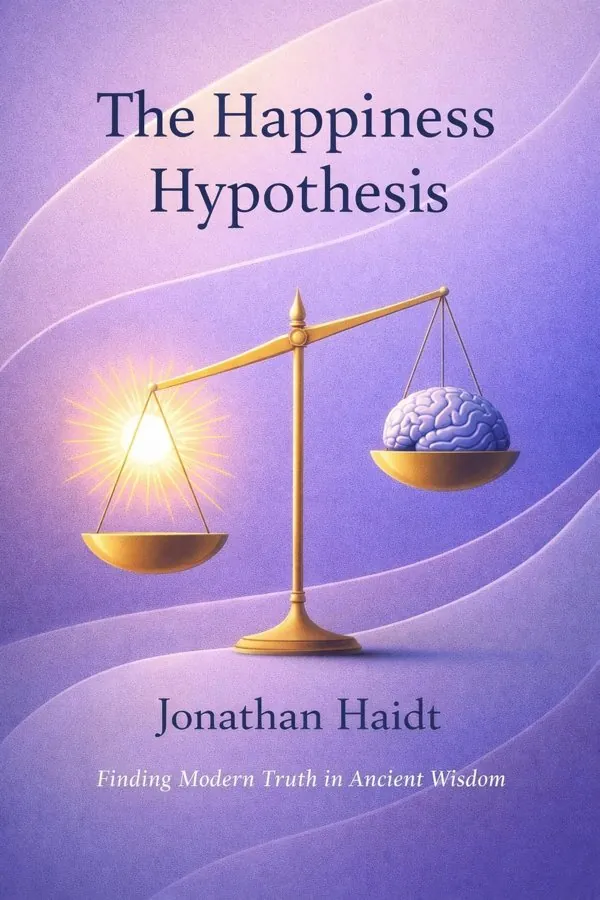
The Happiness Hypothesis: Finding Modern Truth in Ancient Wisdom
What if the best advice for living well was discovered thousands of years ago, then confirmed by modern psychology? In The Happiness Hypothesis, social psychologist Jonathan Haidt explores that possib...

The Anxious Generation: How the Great Rewiring of Childhood Is Causing an Epidemic of Mental Illness
In this influential work, social psychologist Jonathan Haidt explores how the rapid shift from a play-based to a phone-based childhood has contributed to rising rates of anxiety, depression, and menta...

The Coddling of the American Mind: How Good Intentions and Bad Ideas Are Setting Up a Generation for Failure
This book explores how well-intentioned cultural trends in American education and parenting have led to emotional fragility among young people. Lukianoff and Haidt argue that the embrace of safetyism,...

The Righteous Mind: Why Good People Are Divided by Politics and Religion
In this influential work, social psychologist Jonathan Haidt explores the psychological foundations of morality and how they shape political and religious divisions. Drawing on research in moral psych...
Key Insights from Jonathan Haidt
The rider cannot command the elephant
One of Haidt’s most memorable insights is that the mind works like a rider on an elephant: reason is the rider, while emotion and intuition are the elephant. Most of us like to believe the rider is in charge, making deliberate choices and steering life with logic. But in reality, the elephant is far...
From The Happiness Hypothesis: Finding Modern Truth in Ancient Wisdom
Happiness comes from between, not within
A powerful challenge in Haidt’s book is the idea that happiness does not come only from inner attitudes or private achievement. It also emerges from the quality of our relationships. Human beings are profoundly social creatures, and much of what feels meaningful, joyful, and stabilizing in life come...
From The Happiness Hypothesis: Finding Modern Truth in Ancient Wisdom
Adversity can become a source of growth
One of the book’s most hopeful ideas is that suffering, while painful and unwanted, can sometimes deepen a person’s life. Haidt does not romanticize trauma or claim that all hardship is good. Instead, he points to a subtler truth recognized by many wisdom traditions and supported by psychology: peop...
From The Happiness Hypothesis: Finding Modern Truth in Ancient Wisdom
People need meaning more than pleasure
A central message in The Happiness Hypothesis is that a good life cannot be reduced to feeling good. Pleasure matters, but meaning matters more. Human beings do not thrive simply by maximizing comfort, entertainment, or positive emotion. They thrive when life feels purposeful, connected to something...
From The Happiness Hypothesis: Finding Modern Truth in Ancient Wisdom
Virtue strengthens character and happiness
Haidt revives an old but important idea: happiness is closely tied to virtue. In many modern discussions, morality is treated as restrictive, while happiness is framed as personal freedom and self-expression. But ancient thinkers often believed that developing good character was one of the surest pa...
From The Happiness Hypothesis: Finding Modern Truth in Ancient Wisdom
Love and attachment shape our well-being
Many people think of happiness as an individual state, but Haidt reminds us that emotional security begins in attachment. The way we bond with parents, partners, and close others shapes our capacity for trust, intimacy, and resilience. Love is not just a pleasant extra in life; it is one of the psyc...
From The Happiness Hypothesis: Finding Modern Truth in Ancient Wisdom
About Jonathan Haidt
Jonathan Haidt is an American social psychologist and professor of ethical leadership at New York University’s Stern School of Business. His research focuses on the psychology of morality, moral emotions, and cultural differences in moral reasoning. Haidt is also known for his work on happiness and ...
Read more
Jonathan Haidt is an American social psychologist and professor of ethical leadership at New York University’s Stern School of Business. His research focuses on the psychology of morality, moral emotions, and cultural differences in moral reasoning. Haidt is also known for his work on happiness and ...
Jonathan Haidt is an American social psychologist and professor of ethical leadership at New York University’s Stern School of Business. His research focuses on the psychology of morality, moral emotions, and cultural differences in moral reasoning. Haidt is also known for his work on happiness and the moral foundations theory, and he is a co-founder of the Heterodox Academy, an organization promoting viewpoint diversity in academia.



Frequently Asked Questions
Jonathan Haidt is an American social psychologist and professor of ethical leadership at New York University’s Stern School of Business. His research focuses on the psychology of morality, moral emotions, and cultural differences in moral reasoning.
Read Jonathan Haidt's books in 15 minutes
Get AI-powered summaries with key insights from 4 books by Jonathan Haidt.