
John Stuart Mill Books
John Stuart Mill (1806–1873) was an English philosopher, political economist, and civil servant. A leading figure in liberal thought, he contributed significantly to ethics, political philosophy, and social theory.
Known for: On Liberty, The Subjection of Women, Utilitarianism
Books by John Stuart Mill
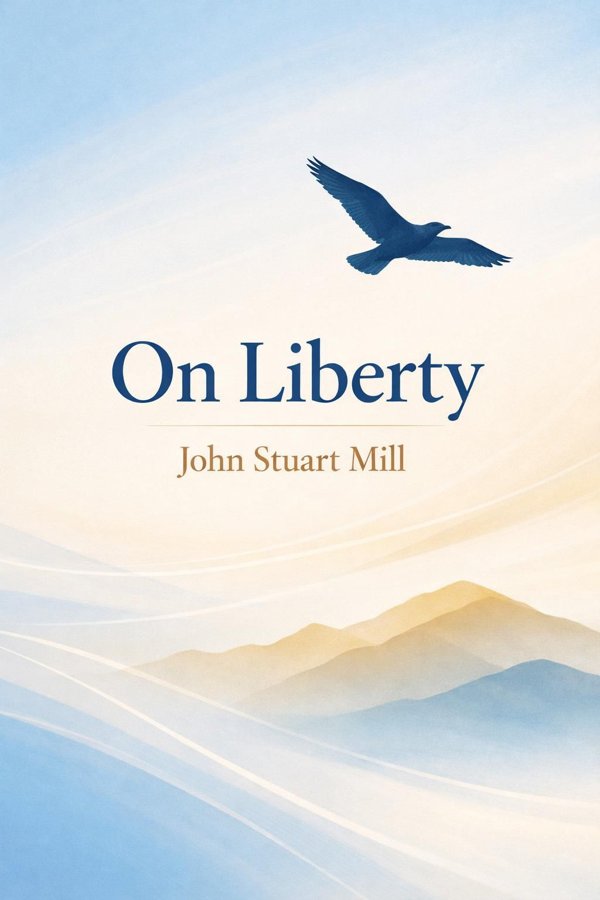
On Liberty
What happens when society, not just government, begins to dictate how people should think, speak, and live? In On Liberty, John Stuart Mill tackles that question with extraordinary clarity and urgency...
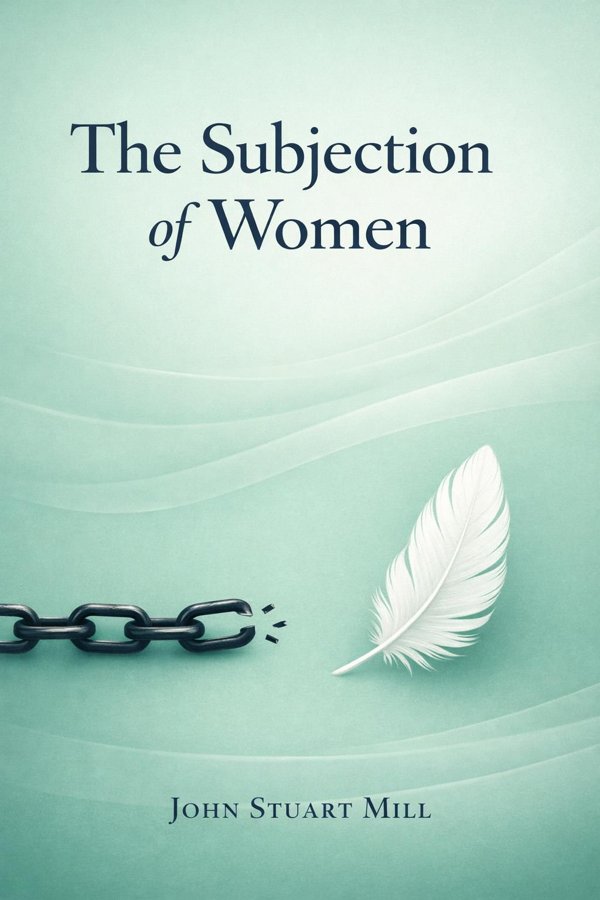
The Subjection of Women
Published in 1869, The Subjection of Women is John Stuart Mill’s bold and systematic case for the full legal, social, and moral equality of women. At a time when women were denied political rights, ex...

Utilitarianism
John Stuart Mill’s Utilitarianism is one of the most influential works in moral philosophy because it asks a deceptively simple question: what should guide human action? Mill’s answer is the principle...
Key Insights from John Stuart Mill
Liberty Begins Where Harm Begins
The most famous idea in On Liberty is also its simplest: power should only be exercised over someone against their will to prevent harm to others. Mill calls this the central principle of liberty, and it remains one of the clearest tests for judging when interference is justified. He argues that nei...
From On Liberty
Silencing Opinion Harms Everyone
To silence an opinion is to assume infallibility. Mill’s defense of free speech rests on that bold insight. He argues that suppressing an opinion is always dangerous because the silenced view may be true, partly true, or even false in a way that still benefits society by forcing truth to defend itse...
From On Liberty
Individuality Fuels Human Progress
A society that fears difference eventually fears growth. Mill treats individuality not as a private luxury, but as a public good. He argues that people need freedom to shape their own lives, tastes, habits, and character, because originality expands what is possible for everyone. Independent lives b...
From On Liberty
Social Tyranny Can Exceed Government
Political oppression is obvious; social oppression is often invisible. Mill warns that liberty can be crushed not only by rulers, but by public opinion, custom, and collective moral pressure. In some cases, society’s control is even more intrusive than government because it reaches into private life...
From On Liberty
Truth Needs Constant Reexamination
Even true beliefs decay when they are inherited without thought. Mill insists that the value of free discussion is not only that it helps us find truth, but that it helps us understand truth. When beliefs are repeated as formulas rather than examined as reasons, they lose force, depth, and practical...
From On Liberty
Maturity Requires Freedom To Choose
Character cannot be manufactured through obedience alone. Mill argues that human beings become fully developed only when they are free to make meaningful choices. This is why he opposes excessive control, even when authorities claim to know what is best. A person whose life is directed entirely by e...
From On Liberty
About John Stuart Mill
John Stuart Mill (1806–1873) was an English philosopher, political economist, and civil servant. A leading figure in liberal thought, he contributed significantly to ethics, political philosophy, and social theory. His works, including 'On Liberty' and 'Utilitarianism,' have had a lasting influence ...
Read more
John Stuart Mill (1806–1873) was an English philosopher, political economist, and civil servant. A leading figure in liberal thought, he contributed significantly to ethics, political philosophy, and social theory. His works, including 'On Liberty' and 'Utilitarianism,' have had a lasting influence ...
John Stuart Mill (1806–1873) was an English philosopher, political economist, and civil servant. A leading figure in liberal thought, he contributed significantly to ethics, political philosophy, and social theory. His works, including 'On Liberty' and 'Utilitarianism,' have had a lasting influence on modern democratic and feminist movements.


Frequently Asked Questions
John Stuart Mill (1806–1873) was an English philosopher, political economist, and civil servant. A leading figure in liberal thought, he contributed significantly to ethics, political philosophy, and social theory.
Read John Stuart Mill's books in 15 minutes
Get AI-powered summaries with key insights from 3 books by John Stuart Mill.