
John Milton Books
John Milton (1608–1674) was an English poet, polemicist, and civil servant for the Commonwealth of England. He is best known for his epic poems Paradise Lost and Paradise Regained, as well as his prose works advocating for freedom of speech and religion.
Known for: Areopagitica, Paradise Lost
Books by John Milton
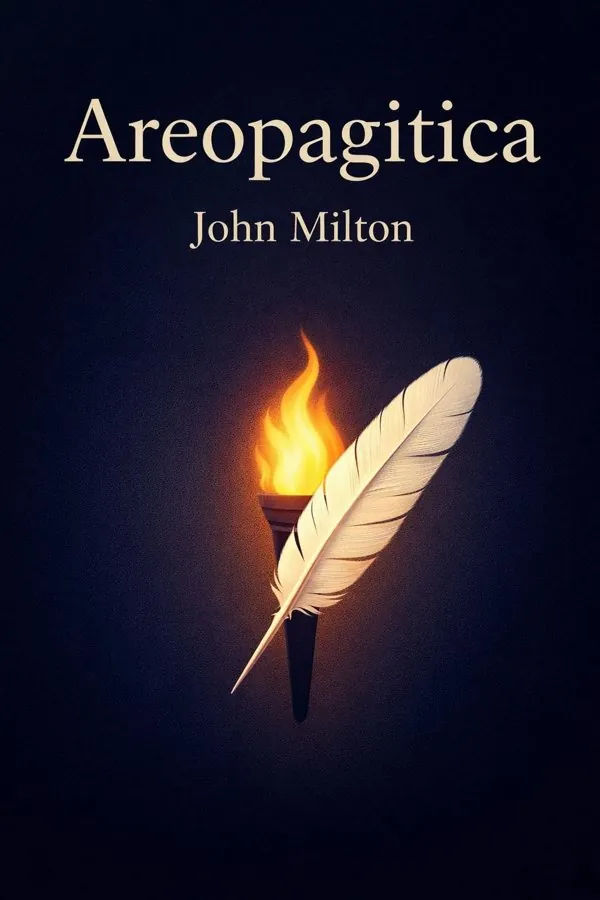
Areopagitica
What happens to truth when authorities decide in advance what people may read? In Areopagitica, first published in 1644, John Milton delivers one of the most powerful defenses of intellectual freedom ...
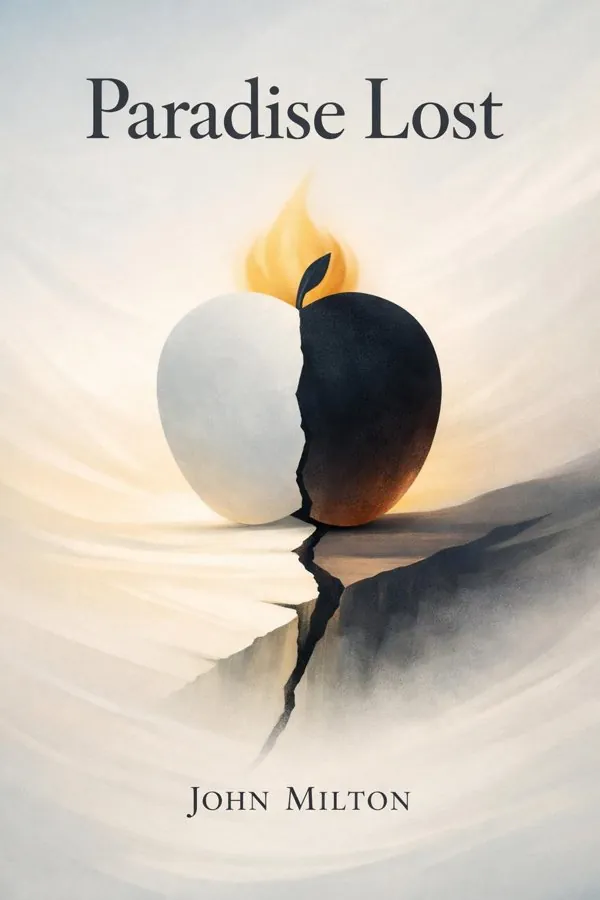
Paradise Lost
Paradise Lost is an epic poem in blank verse by the 17th-century English poet John Milton. It recounts the biblical story of the Fall of Man, depicting Satan’s rebellion against God and the subsequent...
Key Insights from John Milton
Truth Needs Conflict, Not Protection
A truth that cannot survive challenge is not much of a truth at all. This is one of Milton’s most enduring insights in Areopagitica. He argues that censorship rests on a weak and fearful view of truth, as if true ideas are too delicate to coexist with false ones. Milton rejects that assumption. Trut...
From Areopagitica
Licensing Books Damages Public Reason
Censorship often presents itself as order, but Milton sees in it a form of intellectual laziness imposed by power. In Areopagitica, he specifically attacks the licensing system that required books to receive official approval before publication. His argument is not only that this process is inconven...
From Areopagitica
Reading Is A Moral Exercise
Milton treats reading not as passive consumption but as a discipline of the soul. In Areopagitica, books are not inert objects; they carry the living force of thought, argument, memory, and character. To read well is therefore to engage in moral and intellectual formation. This is why censorship is ...
From Areopagitica
Freedom Of Printing Supports Liberty
Milton understands that control over printing is never just about books. It is about power over minds, institutions, and public life. In Areopagitica, he argues that the freedom to print is essential to a healthy commonwealth because political liberty depends on the ability to question, persuade, cr...
From Areopagitica
Virtue Cannot Be Manufactured By Force
One of Milton’s sharpest observations is that moral goodness cannot be created by removing every bad influence. In Areopagitica, he argues that forced purity is counterfeit virtue. A person who avoids wrongdoing only because alternatives were hidden from view has not truly chosen the good. Real virt...
From Areopagitica
Books Carry The Life Of Minds
Milton writes about books with unusual reverence because he sees them as more than containers of information. In Areopagitica, books preserve the vitality of human thought across time. To destroy or suppress them is not simply to remove paper from circulation; it is to injure the living labor of min...
From Areopagitica
About John Milton
John Milton (1608–1674) was an English poet, polemicist, and civil servant for the Commonwealth of England. He is best known for his epic poems Paradise Lost and Paradise Regained, as well as his prose works advocating for freedom of speech and religion. Milton’s mastery of language and his philosop...
Read more
John Milton (1608–1674) was an English poet, polemicist, and civil servant for the Commonwealth of England. He is best known for his epic poems Paradise Lost and Paradise Regained, as well as his prose works advocating for freedom of speech and religion. Milton’s mastery of language and his philosop...
John Milton (1608–1674) was an English poet, polemicist, and civil servant for the Commonwealth of England. He is best known for his epic poems Paradise Lost and Paradise Regained, as well as his prose works advocating for freedom of speech and religion. Milton’s mastery of language and his philosophical depth have made him a central figure in Western literary tradition.


Frequently Asked Questions
John Milton (1608–1674) was an English poet, polemicist, and civil servant for the Commonwealth of England. He is best known for his epic poems Paradise Lost and Paradise Regained, as well as his prose works advocating for freedom of speech and religion.
Read John Milton's books in 15 minutes
Get AI-powered summaries with key insights from 2 books by John Milton.