
John Keegan Books
John Keegan (1934–2012) was a British military historian and author known for his accessible and insightful works on warfare. He taught at the Royal Military Academy Sandhurst and served as defense correspondent for The Daily Telegraph.
Known for: The Face of Battle, The First World War
Books by John Keegan
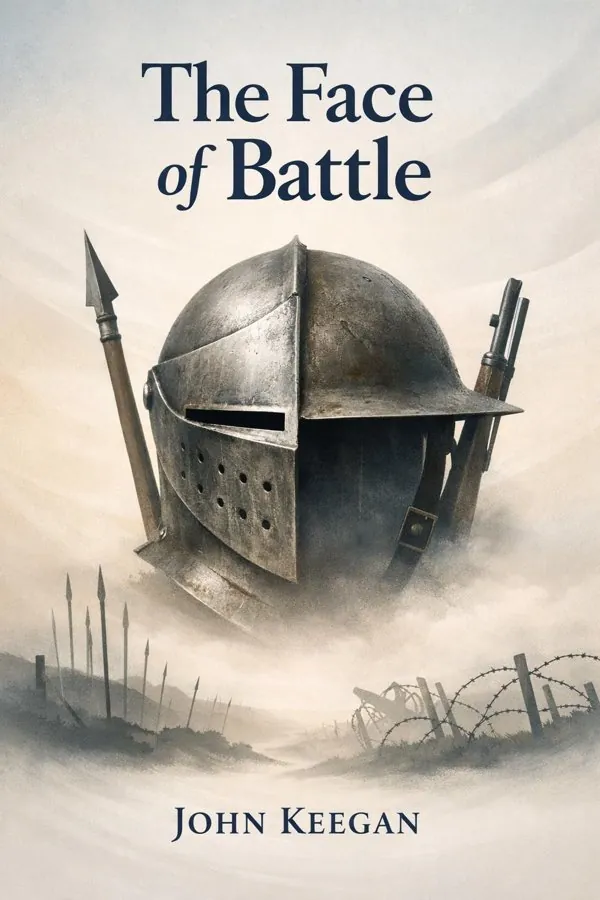
The Face of Battle
What does battle actually feel like for the people trapped inside it? That is the question John Keegan asks in The Face of Battle, and it is the reason this book changed military history. First publis...
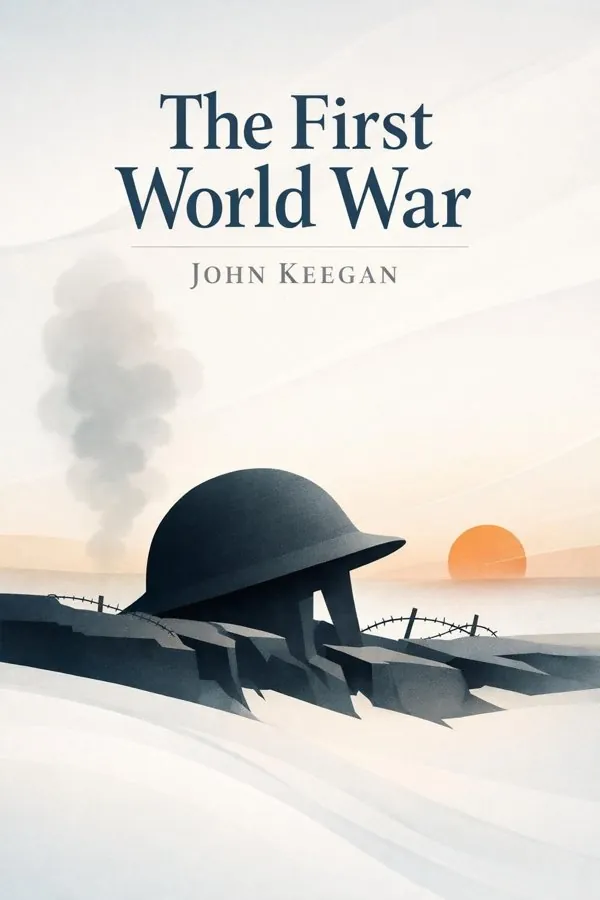
The First World War
John Keegan’s The First World War is a sweeping, deeply human history of the conflict that destroyed the old European order and set the terms for the modern age. Rather than treating World War I as a ...
Key Insights from John Keegan
Battle Is Human Before It Is Strategic
The most important fact about battle is also the one military history often hides: wars are fought by bodies and minds under extreme stress, not by arrows on a map. Keegan begins by challenging the conventional way battles are described. Traditional histories often emphasize commanders, plans, forma...
From The Face of Battle
Agincourt Reveals The Brutality Of Close Combat
Agincourt reminds us that medieval battle was not glorious pageantry but intimate, exhausting slaughter. Keegan examines the famous 1415 victory of Henry V not as a patriotic legend but as a physical event involving men weakened by disease, hunger, armor, mud, and fear. The English army, though outn...
From The Face of Battle
Terrain, Weather, And Bodies Shape Outcomes
A battle is never fought in the abstract; it is fought somewhere, in some weather, by bodies that tire, hunger, panic, and break. One of Keegan’s enduring contributions is to restore physical conditions to the center of military understanding. In Agincourt, mud narrowed possibilities. At Waterloo, s...
From The Face of Battle
Waterloo Shows Discipline Under Extreme Pressure
If Agincourt reveals the brutality of hand-to-hand battle, Waterloo shows how discipline allows armies to endure chaos without disintegrating. Keegan’s analysis of the 1815 battle highlights the experience of infantrymen standing in formation under artillery bombardment, cavalry threat, smoke, and p...
From The Face of Battle
Industrial Warfare Changed Battle Beyond Recognition
One of the book’s most striking insights is that modernity did not simply make battle bigger; it made it less visible, less personal, and often more psychologically punishing. Between Waterloo and the Somme, industrialization transformed weapons, logistics, communication, and killing power. Firearms...
From The Face of Battle
The Somme Exposes The Logic Of Mass Slaughter
The Somme forces readers to confront a devastating truth: modern battle can become a system that consumes human beings faster than courage, planning, or leadership can save them. Keegan’s treatment of the 1916 offensive does not deny strategic context, but it emphasizes what the battle meant for the...
From The Face of Battle
About John Keegan
John Keegan (1934–2012) was a British military historian and author known for his accessible and insightful works on warfare. He taught at the Royal Military Academy Sandhurst and served as defense correspondent for The Daily Telegraph. His major works include The Face of Battle, The Mask of Command...
Read more
John Keegan (1934–2012) was a British military historian and author known for his accessible and insightful works on warfare. He taught at the Royal Military Academy Sandhurst and served as defense correspondent for The Daily Telegraph. His major works include The Face of Battle, The Mask of Command...
John Keegan (1934–2012) was a British military historian and author known for his accessible and insightful works on warfare. He taught at the Royal Military Academy Sandhurst and served as defense correspondent for The Daily Telegraph. His major works include The Face of Battle, The Mask of Command, and A History of Warfare.

Frequently Asked Questions
John Keegan (1934–2012) was a British military historian and author known for his accessible and insightful works on warfare. He taught at the Royal Military Academy Sandhurst and served as defense correspondent for The Daily Telegraph.
Read John Keegan's books in 15 minutes
Get AI-powered summaries with key insights from 2 books by John Keegan.