

John Green Books
Antonio Damasio is a Portuguese-American neuroscientist and professor known for his pioneering research on the neural basis of emotions, decision-making, and consciousness. He is the author of several influential books, including 'Descartes’ Error' and 'The Feeling of What Happens', and serves as Director of the Brain and Creativity Institute at the University of Southern California.
Known for: Looking for Alaska, The Anthropocene Reviewed: Essays on a Human-Centered Planet, The Fault in Our Stars
Books by John Green
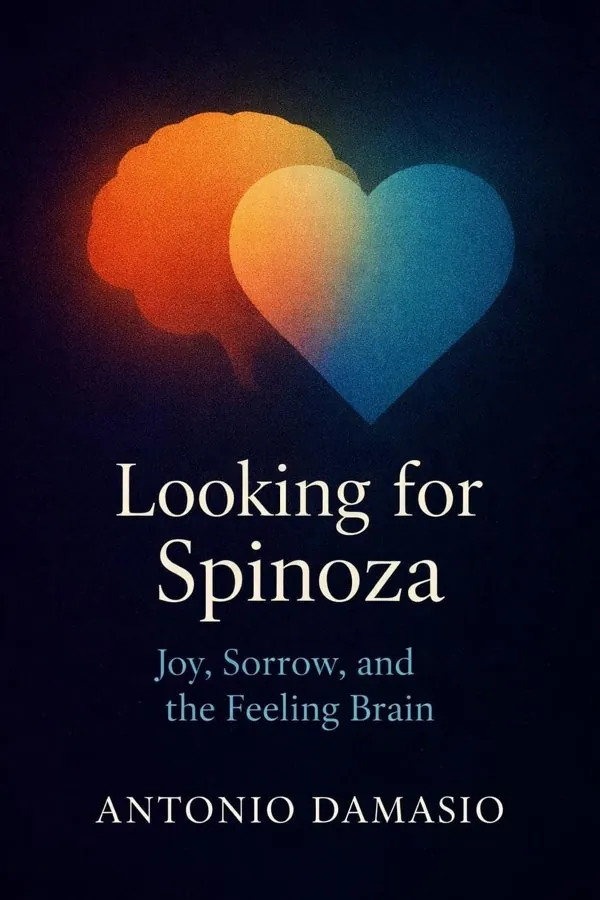
Looking for Alaska
What if the most important years of your life were shaped not by answers, but by the questions that refused to leave you alone? John Green’s Looking for Alaska is a coming-of-age novel about friendshi...
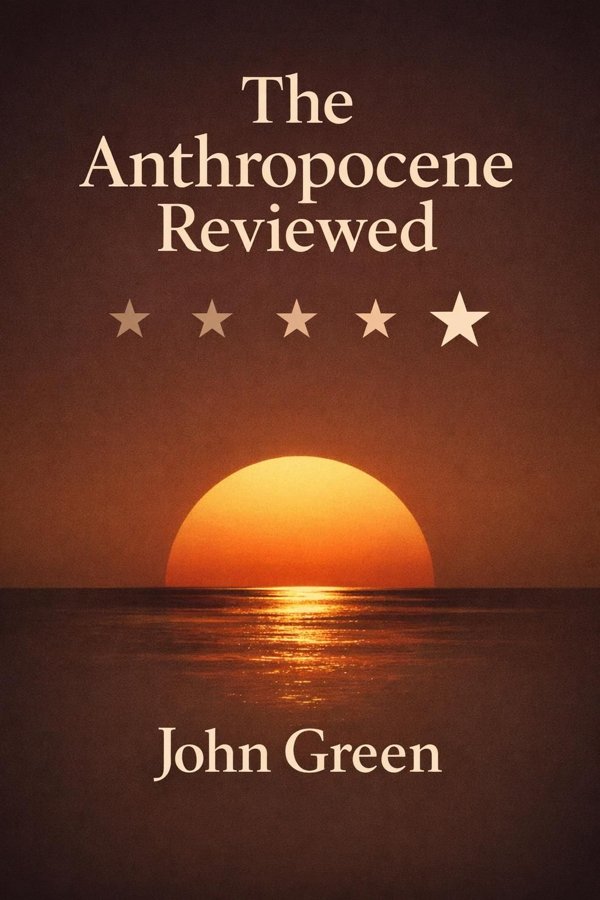
The Anthropocene Reviewed: Essays on a Human-Centered Planet
The Anthropocene Reviewed is John Green’s deeply personal and intellectually curious collection of essays about living in a world profoundly shaped by human beings. Framed as reviews of ordinary and e...
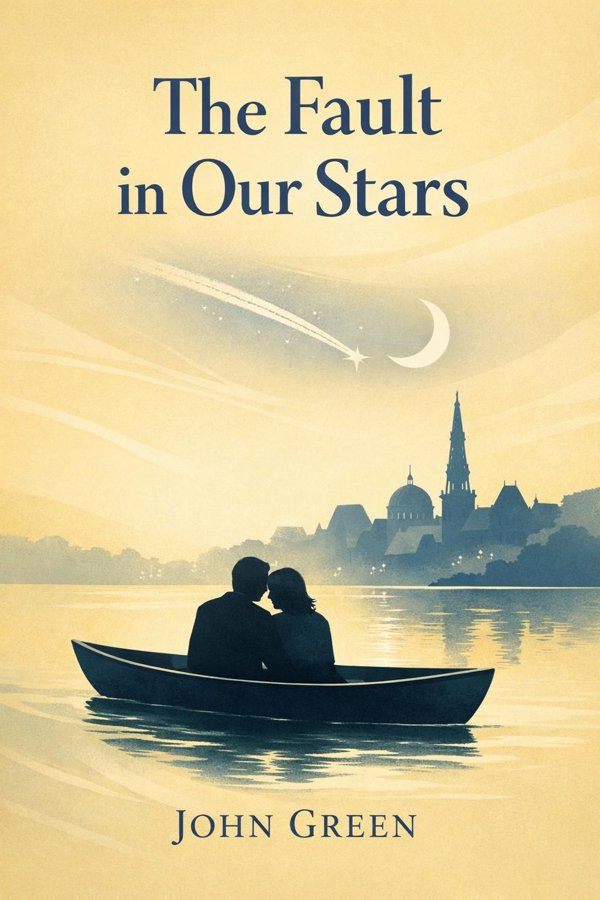
The Fault in Our Stars
The Fault in Our Stars is a bestselling young adult novel by John Green that turns a familiar premise—a love story between two teenagers—into a profound meditation on mortality, identity, suffering, a...
Key Insights from John Green
The Great Perhaps Drives Change
Sometimes the most important journeys begin with dissatisfaction. At the start of Looking for Alaska, Miles Halter feels that his life is too small, too predictable, and too emotionally thin. He is intelligent, curious, and oddly obsessed with famous last words, but he has not yet truly lived. His d...
From Looking for Alaska
Friendship Creates Identity and Belonging
We often imagine identity as something built alone, but Looking for Alaska shows how deeply it is shaped by friendship. At Culver Creek, Miles quickly becomes part of a close-knit group that includes the Colonel, Takumi, Lara, and especially Alaska. These relationships give him something he has lack...
From Looking for Alaska
Alaska Embodies Mystery and Projection
The people who fascinate us most are often the ones we understand least. Alaska Young is the emotional center of the novel, but she is also its great enigma. She is dazzlingly intelligent, emotionally volatile, generous, cruel, seductive, self-destructive, and impossible to reduce to a single interp...
From Looking for Alaska
Adolescence Magnifies Risk and Emotion
Youth is often romanticized as a time of freedom, but Looking for Alaska reminds us that adolescence is also a period of emotional extremity. At Culver Creek, ordinary experiences feel amplified: friendship becomes loyalty, attraction becomes obsession, embarrassment becomes catastrophe, and grief b...
From Looking for Alaska
Grief Begins Where Certainty Ends
Loss is painful enough on its own, but uncertainty can make it almost unbearable. The novel’s structure—divided into “Before” and “After”—turns one event into the pivot around which all meaning reorganizes. After tragedy strikes, Miles and his friends are left not only with sorrow but with unanswere...
From Looking for Alaska
Guilt Distorts Memory and Responsibility
After tragedy, the mind often becomes a courtroom. Looking for Alaska explores how guilt reshapes memory, interpretation, and self-worth. Miles and the Colonel revisit the night of Alaska’s death repeatedly, examining every detail for evidence of what they should have done differently. Their pain is...
From Looking for Alaska
About John Green
Antonio Damasio is a Portuguese-American neuroscientist and professor known for his pioneering research on the neural basis of emotions, decision-making, and consciousness. He is the author of several influential books, including 'Descartes’ Error' and 'The Feeling of What Happens', and serves as Di...
Read more
Antonio Damasio is a Portuguese-American neuroscientist and professor known for his pioneering research on the neural basis of emotions, decision-making, and consciousness. He is the author of several influential books, including 'Descartes’ Error' and 'The Feeling of What Happens', and serves as Di...
Antonio Damasio is a Portuguese-American neuroscientist and professor known for his pioneering research on the neural basis of emotions, decision-making, and consciousness. He is the author of several influential books, including 'Descartes’ Error' and 'The Feeling of What Happens', and serves as Director of the Brain and Creativity Institute at the University of Southern California.




Frequently Asked Questions
Antonio Damasio is a Portuguese-American neuroscientist and professor known for his pioneering research on the neural basis of emotions, decision-making, and consciousness. He is the author of several influential books, including 'Descartes’ Error' and 'The Feeling of What Happens', and serves as Director of the Brain and Creativity Institute at the University of Southern California.
Read John Green's books in 15 minutes
Get AI-powered summaries with key insights from 3 books by John Green.