
John Gardner Books
John Gardner (1933–1982) was an American novelist, essayist, and literary critic known for his philosophical and moral approach to fiction. His notable works include 'Grendel', 'The Sunlight Dialogues', and 'On Becoming a Novelist'.
Known for: On Moral Fiction, The Art of Fiction: Notes on Craft for Young Writers
Books by John Gardner
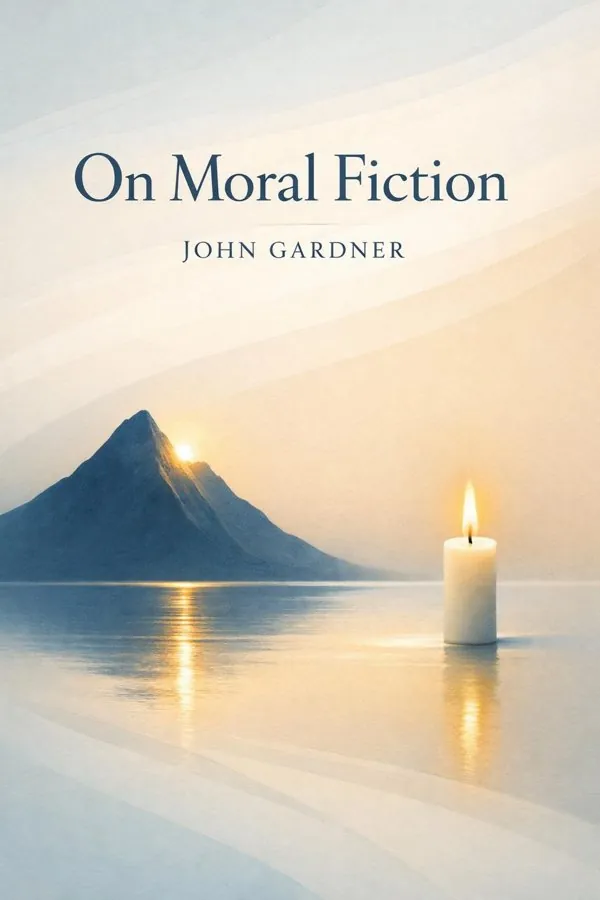
On Moral Fiction
On Moral Fiction is a collection of essays by American novelist John Gardner, first published in 1978. In this work, Gardner argues that true art must be moral, meaning it should affirm life and promo...
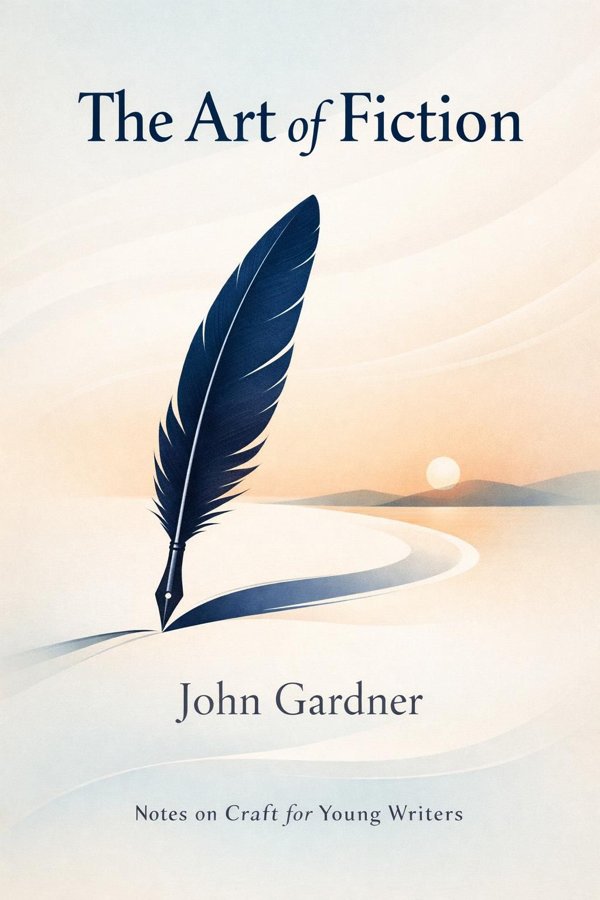
The Art of Fiction: Notes on Craft for Young Writers
John Gardner’s The Art of Fiction: Notes on Craft for Young Writers is far more than a manual of writing tips. It is a demanding, passionate argument for fiction as a serious art—one that depends on t...
Key Insights from John Gardner
Moral Fiction and Its Meaning
At the heart of *On Moral Fiction* lies my conviction that art has an ethical purpose. When I call fiction 'moral,' I mean that it must be engaged with the eternal questions of how we should live, what we should value, and how meaning can be found amid suffering. Moral fiction holds that reality, th...
From On Moral Fiction
Art’s Historical Role and the Loss of Moral Purpose
Throughout the history of civilization, art has served as a moral guide. The ancient epics gave moral shape to chaos, showing human beings heroic and flawed, capable of grace and downfall. Greek tragedy revealed the moral dimension of fate. Medieval literature, steeped in religious and ethical tradi...
From On Moral Fiction
Fiction Creates a Continuous Dream
The most powerful fiction does not announce itself as writing; it dissolves into experience. Gardner’s central image of the “continuous dream” captures the true task of the novelist: to create an imagined reality so coherent, vivid, and emotionally convincing that the reader enters it almost unconsc...
From The Art of Fiction: Notes on Craft for Young Writers
Art Demands Moral Seriousness and Truth
A writer cannot escape moral responsibility, even when refusing to moralize. Gardner’s view is not that fiction should preach lessons or reward virtue in simplistic ways. Rather, he believes fiction inevitably shapes a reader’s sense of what matters, what is admirable, what is tragic, and what is hu...
From The Art of Fiction: Notes on Craft for Young Writers
Story Requires Strong Narrative Architecture
In fiction, freedom does not eliminate structure; it makes structure more necessary. Gardner treats narrative architecture as the hidden framework that allows a story to feel inevitable rather than accidental. A compelling work of fiction may appear effortless, but beneath that ease lies careful con...
From The Art of Fiction: Notes on Craft for Young Writers
Precise Language Carries Fiction’s Music
Style is not ornament laid on top of content; it is the living medium through which fiction is experienced. Gardner emphasizes that language must be accurate, energetic, and appropriate to the story being told. Good prose does not call attention to itself for vanity’s sake. It creates rhythm, tone, ...
From The Art of Fiction: Notes on Craft for Young Writers
About John Gardner
John Gardner (1933–1982) was an American novelist, essayist, and literary critic known for his philosophical and moral approach to fiction. His notable works include 'Grendel', 'The Sunlight Dialogues', and 'On Becoming a Novelist'. Gardner was a professor of English and a major voice in American li...
Read more
John Gardner (1933–1982) was an American novelist, essayist, and literary critic known for his philosophical and moral approach to fiction. His notable works include 'Grendel', 'The Sunlight Dialogues', and 'On Becoming a Novelist'. Gardner was a professor of English and a major voice in American li...
John Gardner (1933–1982) was an American novelist, essayist, and literary critic known for his philosophical and moral approach to fiction. His notable works include 'Grendel', 'The Sunlight Dialogues', and 'On Becoming a Novelist'. Gardner was a professor of English and a major voice in American literary criticism during the 1970s.


Frequently Asked Questions
John Gardner (1933–1982) was an American novelist, essayist, and literary critic known for his philosophical and moral approach to fiction. His notable works include 'Grendel', 'The Sunlight Dialogues', and 'On Becoming a Novelist'.
Read John Gardner's books in 15 minutes
Get AI-powered summaries with key insights from 2 books by John Gardner.