

Jean-Paul Sartre Books
Jean-Paul Sartre (1905–1980) was a French philosopher, novelist, playwright, and essayist, widely regarded as one of the leading figures of existentialism. He was awarded the Nobel Prize in Literature in 1964, which he declined.
Known for: Being and Nothingness, Existentialism Is a Humanism, Nausea, No Exit
Books by Jean-Paul Sartre
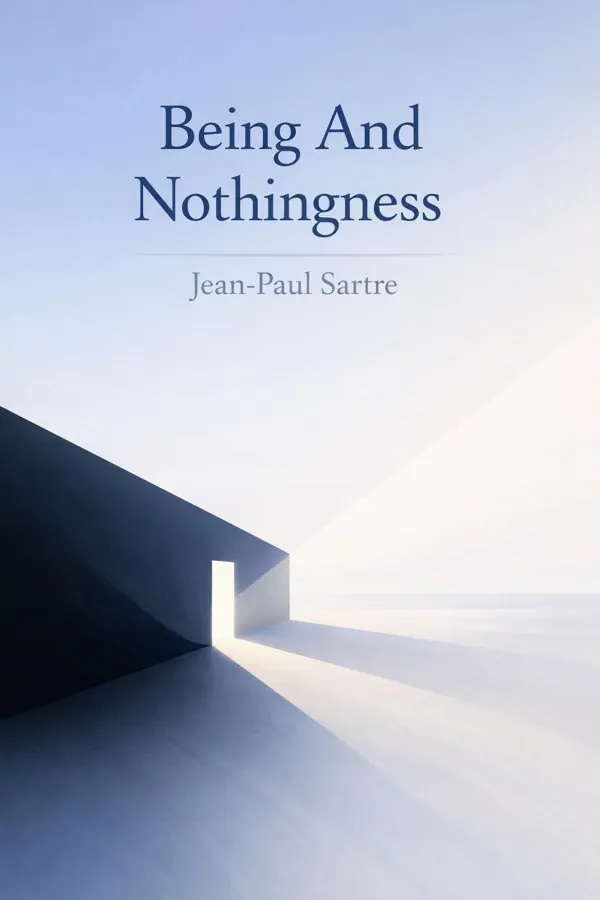
Being and Nothingness
Originally published in French in 1943, Being and Nothingness is Jean-Paul Sartre’s most ambitious philosophical work and one of the defining texts of existentialism. In this demanding but rewarding b...
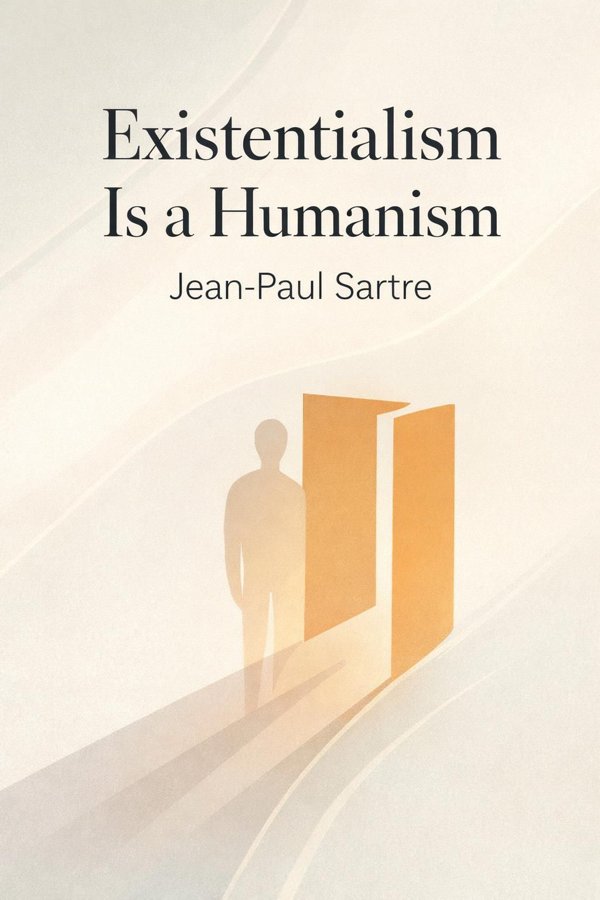
Existentialism Is a Humanism
In this 1945 lecture, Jean-Paul Sartre presents the core principles of existentialism, asserting that humans are free and responsible for their choices, and that existence precedes essence. He defends...
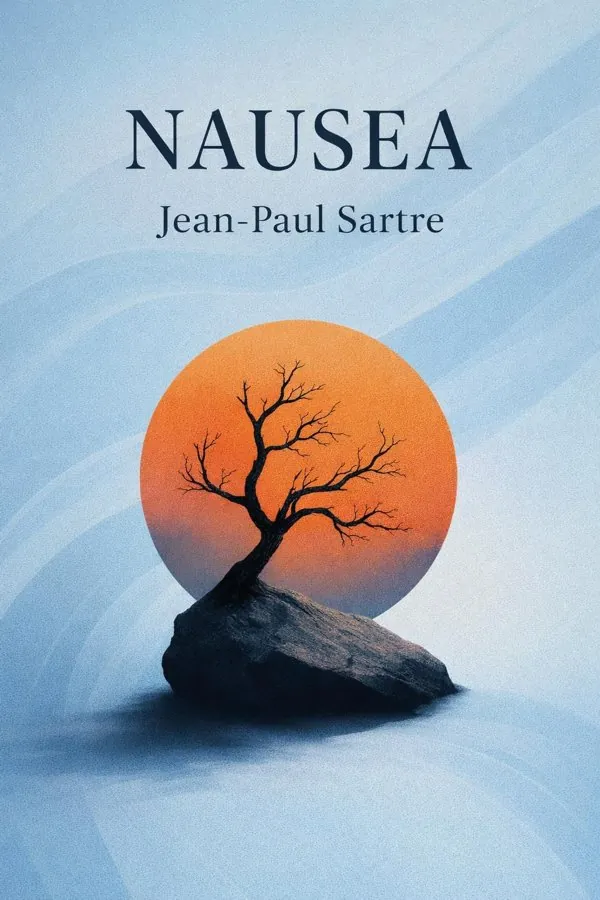
Nausea
Originally published in 1938, Nausea is Jean-Paul Sartre’s groundbreaking philosophical novel about what happens when the ordinary world loses its comforting familiarity. Through the diary of Antoine ...
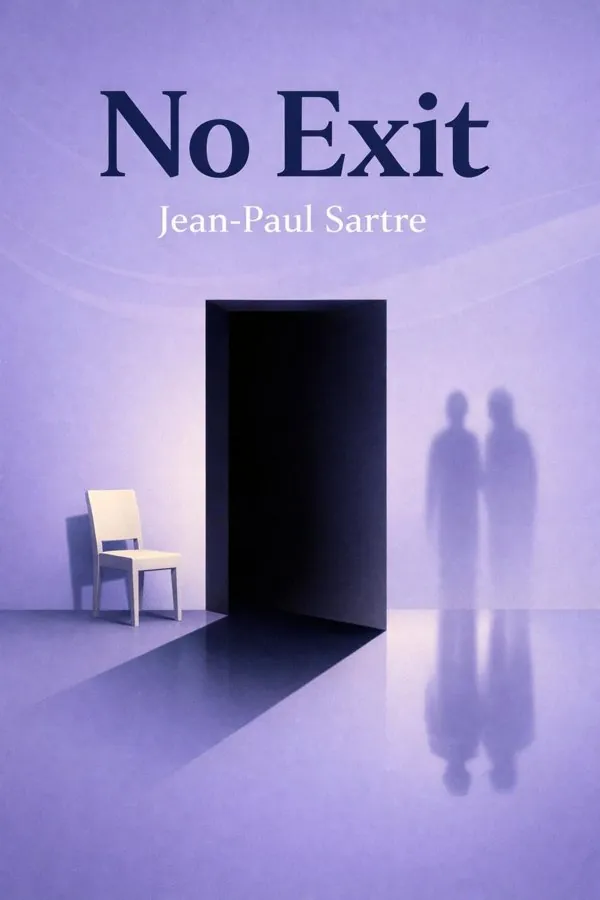
No Exit
Jean-Paul Sartre’s No Exit is a short play with an immense philosophical reach. First performed in 1944, it traps three dead strangers—Garcin, Inès, and Estelle—in a locked drawing room and lets their...
Key Insights from Jean-Paul Sartre
Nothingness Opens Human Freedom
The most unsettling truth in Sartre’s philosophy is that human freedom begins with a gap. The world of objects appears full and self-contained: a rock is a rock, a table is a table. Sartre calls this being-in-itself. It simply exists, with no inner distance from itself and no power to question what ...
From Being and Nothingness
Consciousness Is Always Beyond Itself
A powerful insight runs through the whole book: consciousness is never a sealed container filled with inner contents. It is always consciousness of something. Sartre develops this phenomenological idea from Husserl, but he gives it a more radical existential meaning. Consciousness is intentional, me...
From Being and Nothingness
Being-for-Itself Means Radical Openness
Human existence is defined less by what it is than by what it is not yet. Sartre calls human consciousness being-for-itself. Unlike being-in-itself, which is solid and complete, being-for-itself is incomplete, self-aware, and open-ended. It experiences itself as a lack, not because something has gon...
From Being and Nothingness
Bad Faith Hides From Responsibility
One of Sartre’s most famous and penetrating ideas is bad faith, the habit of lying to ourselves in order to escape freedom. Bad faith is not ordinary dishonesty, because the deceiver and the deceived are the same person. It happens when we pretend to be either more fixed or more unconstrained than w...
From Being and Nothingness
The Body Is Lived, Not Owned
Sartre’s account of the body moves beyond the simple idea that the body is just an object we possess. For him, the body has a double meaning. First, it is my lived access to the world: I reach, walk, speak, tire, desire, and act through it. Second, it can appear as an object, especially when others ...
From Being and Nothingness
The Look Turns Me Into Object
Few philosophical ideas capture social discomfort as sharply as Sartre’s analysis of the look. Imagine peeking through a keyhole, absorbed in what you are doing. In that moment, you are engaged in a project. Then you hear footsteps behind you. Suddenly, you become aware of yourself as seen. Shame ru...
From Being and Nothingness
About Jean-Paul Sartre
Jean-Paul Sartre (1905–1980) was a French philosopher, novelist, playwright, and essayist, widely regarded as one of the leading figures of existentialism. He was awarded the Nobel Prize in Literature in 1964, which he declined. Sartre’s works, including 'Being and Nothingness' and 'Nausea', profoun...
Read more
Jean-Paul Sartre (1905–1980) was a French philosopher, novelist, playwright, and essayist, widely regarded as one of the leading figures of existentialism. He was awarded the Nobel Prize in Literature in 1964, which he declined. Sartre’s works, including 'Being and Nothingness' and 'Nausea', profoun...
Jean-Paul Sartre (1905–1980) was a French philosopher, novelist, playwright, and essayist, widely regarded as one of the leading figures of existentialism. He was awarded the Nobel Prize in Literature in 1964, which he declined. Sartre’s works, including 'Being and Nothingness' and 'Nausea', profoundly shaped twentieth-century philosophy and literature.


Frequently Asked Questions
Jean-Paul Sartre (1905–1980) was a French philosopher, novelist, playwright, and essayist, widely regarded as one of the leading figures of existentialism. He was awarded the Nobel Prize in Literature in 1964, which he declined.
Read Jean-Paul Sartre's books in 15 minutes
Get AI-powered summaries with key insights from 4 books by Jean-Paul Sartre.