
Herta Müller Books
Herta Müller, born in 1953 in Nitzkydorf, Romania, is a German-language writer and recipient of the 2009 Nobel Prize in Literature. Her works often explore themes of oppression, fear, and alienation in communist Romania.
Known for: The Appointment, The Hunger Angel, The Land of Green Plums
Books by Herta Müller
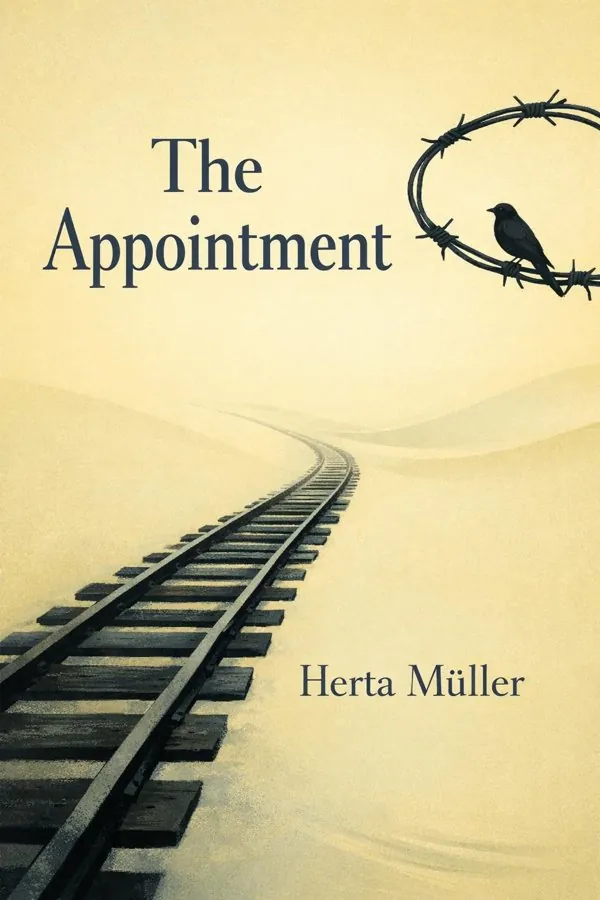
The Appointment
The novel follows a woman living under Nicolae Ceaușescu’s dictatorship in Romania. On her way to an interrogation, she reflects on her life, memories, and fears. Through poetic and fragmented prose, ...
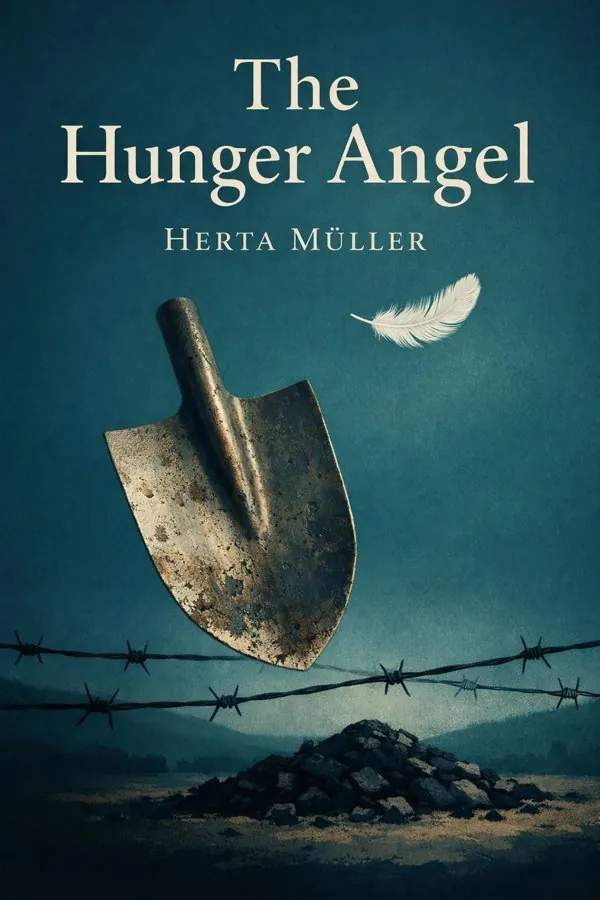
The Hunger Angel
The Hunger Angel is Herta Müller’s haunting novel about deportation, forced labor, and the strange inner life that emerges when survival is reduced to a daily struggle for food. Set in the aftermath o...
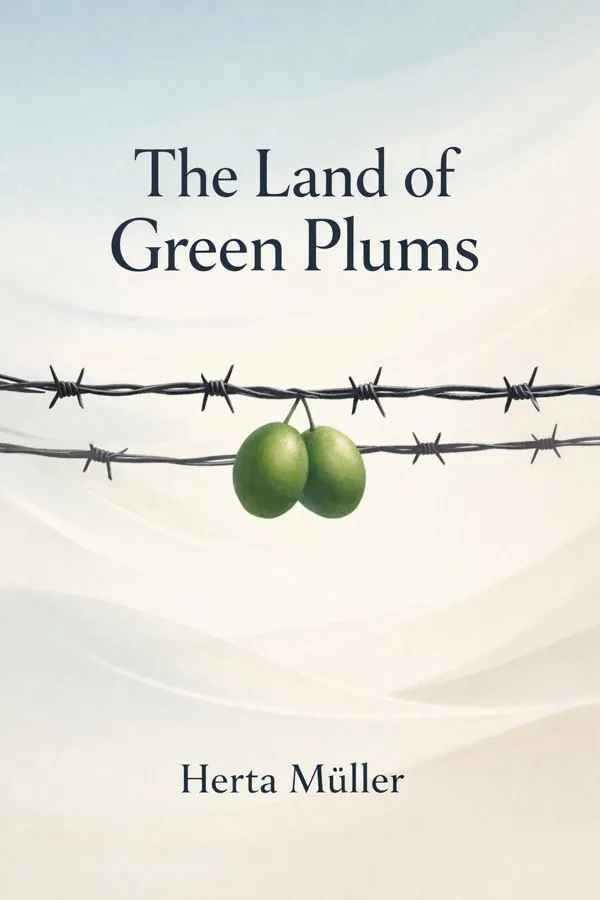
The Land of Green Plums
The Land of Green Plums is Herta Müller’s haunting novel about how dictatorship invades the most private corners of life. Set in Communist Romania under Nicolae Ceaușescu, it follows a young woman and...
Key Insights from Herta Müller
The Journey and the Fear of Surveillance
The tram rides through Bucharest, cutting across grey neighborhoods and air thick with exhaust, yet for the woman on board, the real suffocation is invisible. I wanted the entire novel to unfold in transit, in that suspended space where both movement and paralysis coexist. The tram becomes a stage f...
From The Appointment
Work, Accusation, and Hidden Messages
In the factory where she once sewed men’s suits, the protagonist learned how oppression disguises itself as routine. I have always been haunted by the idea that tyranny thrives in the ordinary—inside workplaces, conversations, even gestures that seem harmless. The moment she slips notes into the sea...
From The Appointment
Deportation Shatters Identity Overnight
A human being can lose more than freedom in a single night; he can lose the frame that tells him who he is. That is the shock at the heart of The Hunger Angel. Leopold Auberg is only seventeen when he is deported from his home in Transylvania to a Soviet labor camp. Before that moment, he is a son, ...
From The Hunger Angel
Hunger Becomes a Total Worldview
Extreme hunger does not stay in the stomach; it invades perception, morality, language, and time. In The Hunger Angel, hunger becomes the organizing principle of camp life. Leopold and the other prisoners shovel coal, carry bricks, and repair railways in freezing conditions, but labor is only half t...
From The Hunger Angel
Language Resists What Brutality Destroys
When reality becomes unbearable, ordinary language can fail. Herta Müller’s answer is not to simplify suffering but to invent a form capable of carrying it. The Hunger Angel is written in poetic, startling images rather than plain documentary description. Coal dust, potatoes, shovels, bones, soup, a...
From The Hunger Angel
Companionship Is Fragile Yet Necessary
Under extreme conditions, human connection becomes both more precious and more unstable. The Hunger Angel shows that camp life does not produce simple solidarity. Prisoners depend on one another for emotional recognition, practical advice, and occasional acts of generosity, yet hunger and fear also ...
From The Hunger Angel
About Herta Müller
Herta Müller, born in 1953 in Nitzkydorf, Romania, is a German-language writer and recipient of the 2009 Nobel Prize in Literature. Her works often explore themes of oppression, fear, and alienation in communist Romania. She has lived in Germany since 1987.





Frequently Asked Questions
Herta Müller, born in 1953 in Nitzkydorf, Romania, is a German-language writer and recipient of the 2009 Nobel Prize in Literature. Her works often explore themes of oppression, fear, and alienation in communist Romania.
Read Herta Müller's books in 15 minutes
Get AI-powered summaries with key insights from 3 books by Herta Müller.