
Gregory Clark Books
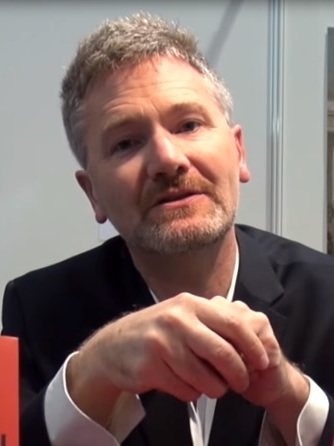
Gregory Clark is a British economic historian and professor of economics at the University of California, Davis. His research focuses on long-term economic growth, social mobility, and the historical development of economies.
Known for: A Farewell to Alms: A Brief Economic History of the World
Books by Gregory Clark
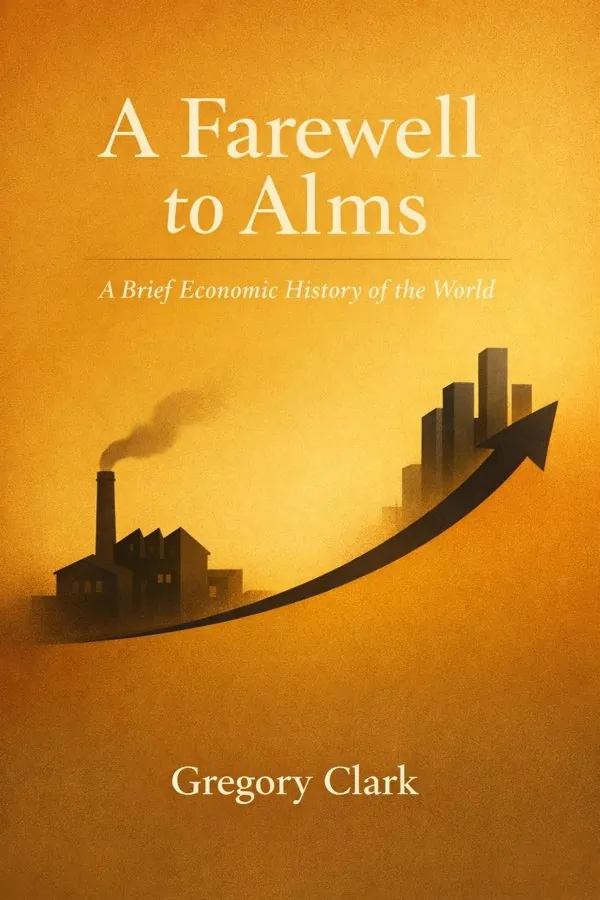
A Farewell to Alms: A Brief Economic History of the World
Why did humanity remain desperately poor for thousands of years, only to experience a dramatic explosion in wealth over the last two centuries? In A Farewell to Alms, economic historian Gregory Clark tackles one of the biggest questions in social science: why some societies escaped stagnation while others did not. Rather than treating the Industrial Revolution as a mysterious miracle or a simple triumph of institutions, Clark argues that modern growth emerged from much deeper historical forces shaped over centuries. Drawing on wage records, birth and death data, estate accounts, and other long-run evidence, Clark reconstructs the logic of preindustrial life with unusual precision. He shows how most societies were trapped in a Malthusian world where any productivity gain eventually translated into larger populations, not permanently better living standards. He then explores why England broke out first and how that escape transformed the global economy. The book matters because it challenges comforting explanations about progress, culture, and development. Whether you agree with Clark or not, his argument is bold, data-driven, and impossible to ignore. For readers interested in economics, inequality, history, and the origins of modern prosperity, this is a provocative and deeply influential work.
Read SummaryKey Insights from Gregory Clark
The World Was Once Malthusian
The most unsettling idea in the book is that for most of human history, economic progress did not make ordinary people meaningfully richer. Clark revives the logic of Thomas Malthus and argues that before around 1800, nearly all societies operated under the same brutal rule: when productivity rose, ...
From A Farewell to Alms: A Brief Economic History of the World
Historical Records Reveal Persistent Stagnation
Big arguments about world history become persuasive only when they rest on stubborn facts, and Clark builds his case through an extraordinary amount of historical evidence. He mines English parish registers, wills, probate inventories, farm records, wages, rents, and prices to show that preindustria...
From A Farewell to Alms: A Brief Economic History of the World
Preindustrial Production Had Hard Limits
A society can be full of effort and still remain poor if its production system cannot generate self-reinforcing growth. Clark emphasizes that preindustrial economies were constrained not simply by low effort, but by the structure of agriculture, land use, technology, and energy. Most people worked t...
From A Farewell to Alms: A Brief Economic History of the World
Behavioral Change May Precede Industrial Change
One of Clark’s most controversial claims is that the roots of the Industrial Revolution may lie partly in long-term changes in behavior. He suggests that in England, over many generations, traits associated with patience, literacy, work discipline, and calculation spread more widely through society,...
From A Farewell to Alms: A Brief Economic History of the World
The Industrial Revolution Was Gradual
History often tells the Industrial Revolution as a dramatic breakthrough: inventions appear, factories rise, and the world changes. Clark pushes back against this simple narrative. His argument is that the escape from the Malthusian trap was more gradual, more puzzling, and less obviously tied to su...
From A Farewell to Alms: A Brief Economic History of the World
Industrialization Spread Unevenly Across Nations
A profound puzzle of modern history is not just why industrialization began, but why it spread so unevenly. Clark shows that once one society escaped the Malthusian world, others did not automatically follow at the same speed. Some nations industrialized rapidly, while others lagged for generations ...
From A Farewell to Alms: A Brief Economic History of the World
About Gregory Clark
Gregory Clark is a British economic historian and professor of economics at the University of California, Davis. His research focuses on long-term economic growth, social mobility, and the historical development of economies. He is known for his quantitative approach to economic history and his cont...
Read more
Gregory Clark is a British economic historian and professor of economics at the University of California, Davis. His research focuses on long-term economic growth, social mobility, and the historical development of economies. He is known for his quantitative approach to economic history and his cont...
Gregory Clark is a British economic historian and professor of economics at the University of California, Davis. His research focuses on long-term economic growth, social mobility, and the historical development of economies. He is known for his quantitative approach to economic history and his contributions to understanding the Industrial Revolution and its global impact.


Frequently Asked Questions
Gregory Clark is a British economic historian and professor of economics at the University of California, Davis. His research focuses on long-term economic growth, social mobility, and the historical development of economies.
Read Gregory Clark's books in 15 minutes
Get AI-powered summaries with key insights from 1 book by Gregory Clark.