
Deborah Blum Books
Deborah Blum is an American science journalist and author, known for her works that blend history, science, and narrative storytelling. She won the Pulitzer Prize for Beat Reporting in 1992 and has written several acclaimed books on the intersection of science and society.
Known for: The Poison Squad: One Chemist's Single-Minded Crusade for Food Safety at the Turn of the Twentieth Century, The Poisoner’s Handbook: Murder and the Birth of Forensic Medicine in Jazz Age New York
Books by Deborah Blum
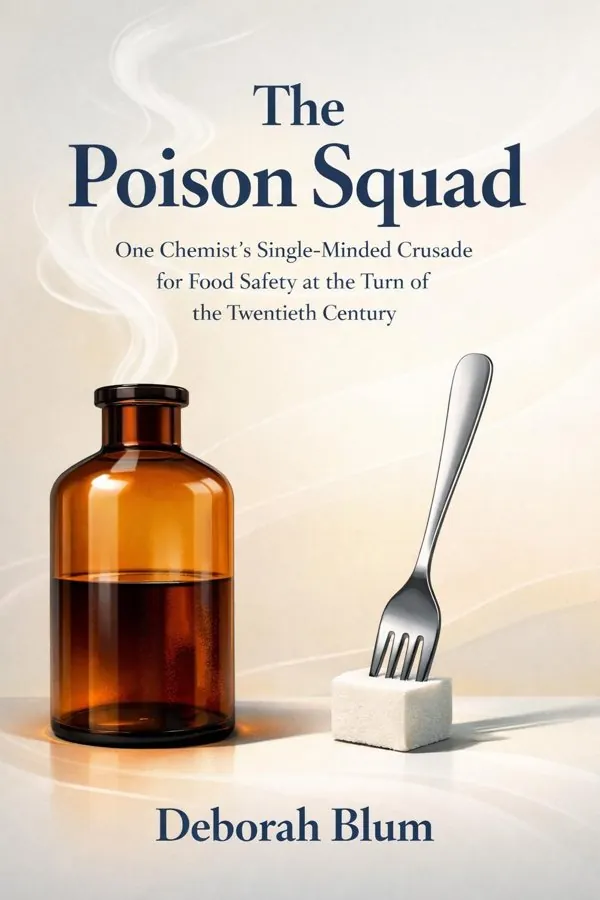
The Poison Squad: One Chemist's Single-Minded Crusade for Food Safety at the Turn of the Twentieth Century
Deborah Blum’s The Poison Squad tells the gripping true story of how modern food safety began—not in a sterile laboratory or a government hearing room, but in a chaotic age when everyday products were...
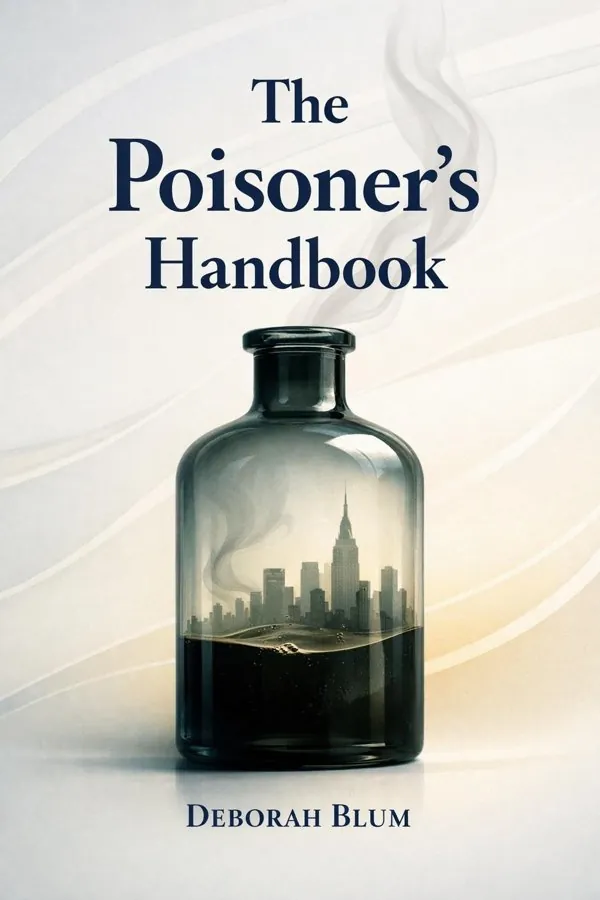
The Poisoner’s Handbook: Murder and the Birth of Forensic Medicine in Jazz Age New York
The Poisoner’s Handbook recounts the pioneering work of New York City’s first scientifically trained medical examiner, Charles Norris, and his toxicologist, Alexander Gettler, during the early 20th ce...
Key Insights from Deborah Blum
Food Was Once A Hidden Hazard
The most unsettling truth in The Poison Squad is that danger once sat openly on the dinner table, disguised as progress. In the late nineteenth and early twentieth centuries, many foods sold in the United States were adulterated with chemicals, fillers, dyes, and preservatives that consumers neither...
From The Poison Squad: One Chemist's Single-Minded Crusade for Food Safety at the Turn of the Twentieth Century
Harvey Wiley Turned Science Into Reform
Real reform often begins when one stubborn person refuses to accept “that’s just how things are.” Harvey Washington Wiley, the book’s central figure, was not merely a chemist conducting technical analyses; he was a public-minded scientist who understood that evidence has little power unless it is tr...
From The Poison Squad: One Chemist's Single-Minded Crusade for Food Safety at the Turn of the Twentieth Century
The Poison Squad Made Risk Visible
People rarely mobilize against invisible threats until someone finds a way to make those threats undeniable. Wiley’s most famous innovation was the set of controlled human experiments that became known as the Poison Squad. Young volunteers, many of them healthy government employees, agreed to eat me...
From The Poison Squad: One Chemist's Single-Minded Crusade for Food Safety at the Turn of the Twentieth Century
Industry Power Often Resists Accountability
One of the book’s most enduring insights is that dangerous products do not persist because no one notices them; they persist because powerful interests work to protect them. Blum chronicles how food manufacturers, chemical companies, trade groups, and political allies resisted Wiley’s efforts at nea...
From The Poison Squad: One Chemist's Single-Minded Crusade for Food Safety at the Turn of the Twentieth Century
Journalism Helped Turn Science Into Policy
Facts do not travel far on their own; they need messengers. A major force in Wiley’s campaign was the rise of investigative journalism and public-interest reporting. Blum highlights how newspapers and reform-minded writers amplified concerns about adulterated food, misleading labels, and chemical pr...
From The Poison Squad: One Chemist's Single-Minded Crusade for Food Safety at the Turn of the Twentieth Century
Regulation Protects Trust In Modern Markets
Modern commerce depends on an invisible foundation: trust. The Poison Squad makes clear that food regulation is not an enemy of markets but one of the conditions that allow markets to function. When consumers cannot know whether a bottle contains medicine or filler, whether jam contains fruit or dye...
From The Poison Squad: One Chemist's Single-Minded Crusade for Food Safety at the Turn of the Twentieth Century
About Deborah Blum
Deborah Blum is an American science journalist and author, known for her works that blend history, science, and narrative storytelling. She won the Pulitzer Prize for Beat Reporting in 1992 and has written several acclaimed books on the intersection of science and society.



Frequently Asked Questions
Deborah Blum is an American science journalist and author, known for her works that blend history, science, and narrative storytelling. She won the Pulitzer Prize for Beat Reporting in 1992 and has written several acclaimed books on the intersection of science and society.
Read Deborah Blum's books in 15 minutes
Get AI-powered summaries with key insights from 2 books by Deborah Blum.