
David Hume Books
David Hume (1711–1776) was a Scottish philosopher, historian, and essayist known for his influential system of philosophical empiricism, skepticism, and naturalism. His works profoundly shaped modern philosophy, particularly epistemology and the philosophy of mind.
Known for: A Treatise of Human Nature, An Enquiry Concerning Human Understanding, An Enquiry Concerning the Principles of Morals
Books by David Hume
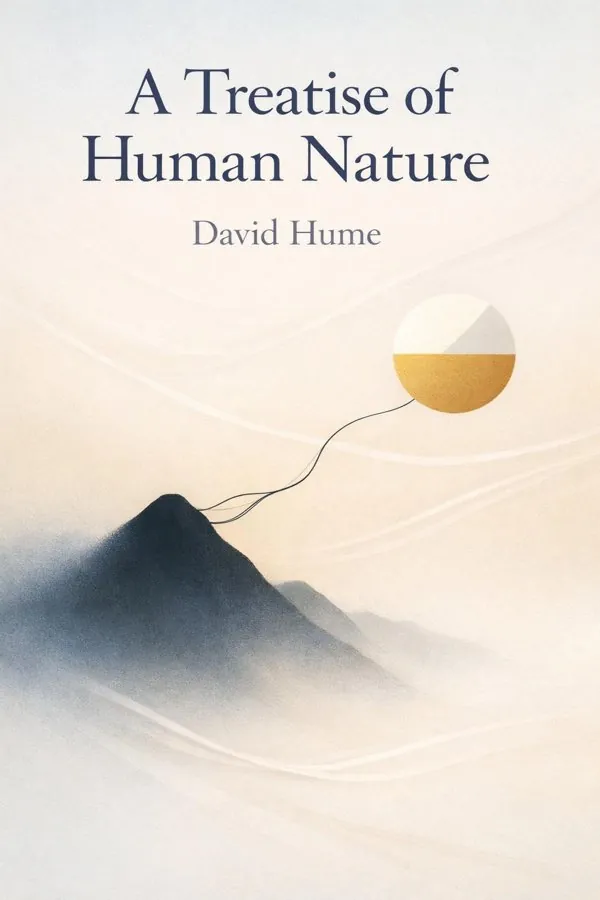
A Treatise of Human Nature
A Treatise of Human Nature is a philosophical work by Scottish thinker David Hume, first published in 1739–1740. It seeks to establish a comprehensive science of human nature based on empirical observ...
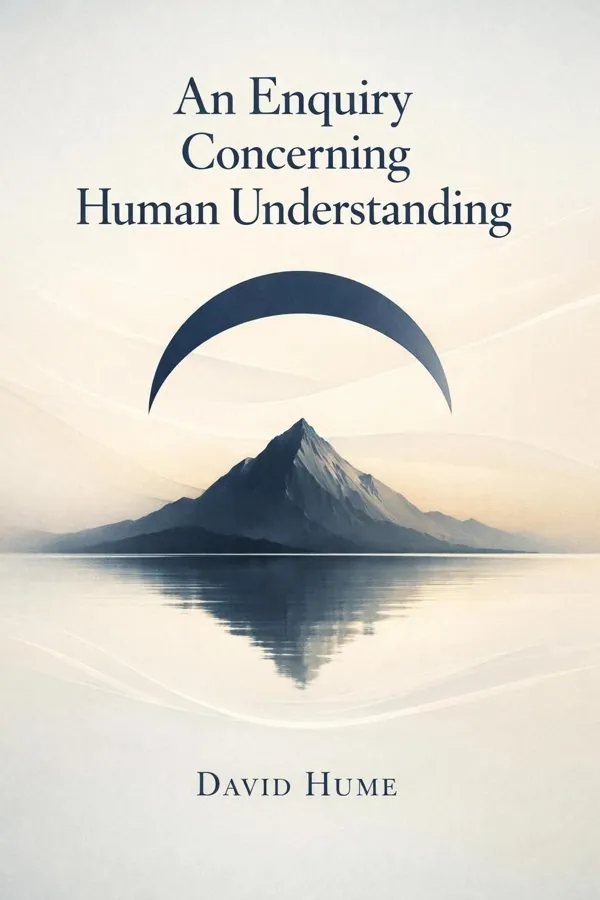
An Enquiry Concerning Human Understanding
An Enquiry Concerning Human Understanding is David Hume’s brilliant investigation into how the human mind forms beliefs, reaches conclusions, and mistakes habit for certainty. First published in 1748,...
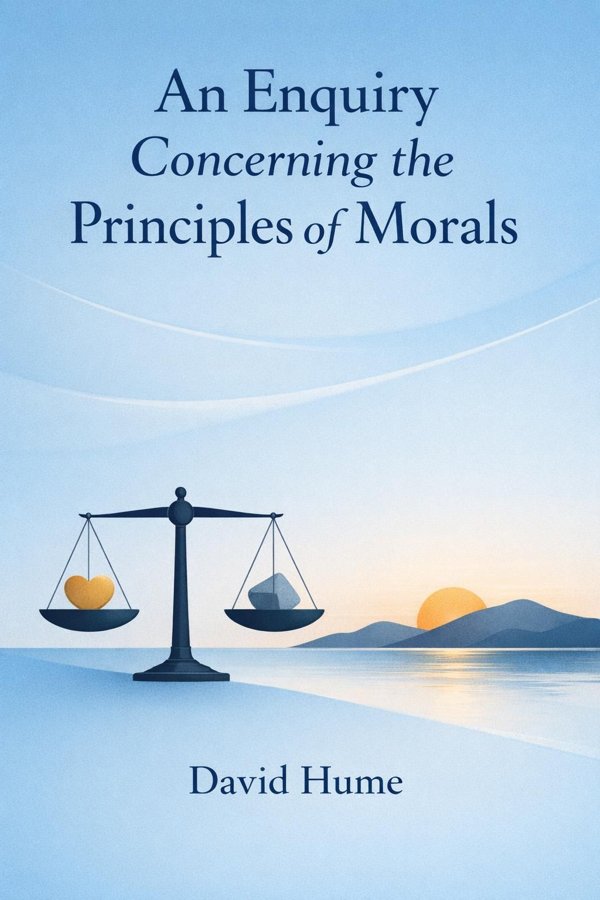
An Enquiry Concerning the Principles of Morals
An Enquiry Concerning the Principles of Morals is a philosophical work by David Hume, first published in 1751. It explores the foundations of moral judgment, arguing that morality is rooted in human s...
Key Insights from David Hume
Book I – Of the Understanding
To understand human nature, we must begin by examining how we come to know anything at all. All human knowledge arises from two sources: impressions and ideas. Impressions are the vivid, immediate experiences—what we see, feel, hear, and taste. Ideas are faint copies of these impressions retained in...
From A Treatise of Human Nature
Book II – Of the Passions
Having examined understanding, I now turn to the passions—the movements of the soul that give life its color and drive. For too long, philosophy treated emotions as intrusions upon reason, as disturbances to the pure clarity of thought. I reject that prejudice outright. The passions are central: the...
From A Treatise of Human Nature
All Ideas Begin in Experience
The mind feels vast and inventive, yet Hume’s first claim is disarmingly simple: our thoughts never arise from nowhere. Every genuine idea, he argues, is copied from some prior impression—some vivid experience of sensation, emotion, or reflection. Impressions are the lively data of life: the sting o...
From An Enquiry Concerning Human Understanding
The Mind Connects Ideas by Habit
Thought rarely moves at random. One memory calls up another, one image suggests the next, and one event makes us anticipate something else. Hume explains this flow through three principles of association: resemblance, contiguity, and cause and effect. We move from one idea to another because they lo...
From An Enquiry Concerning Human Understanding
Reason Cannot Justify Induction
One of Hume’s most famous insights begins with an ordinary assumption: because the sun has risen every day before, it will rise tomorrow. We rely on this expectation constantly. Yet Hume asks a devastating question: what justifies it? Not pure logic. There is no contradiction in imagining that the f...
From An Enquiry Concerning Human Understanding
Custom Solves What Reason Cannot
If reason cannot prove that the future will resemble the past, how do we go on living, acting, and investigating the world? Hume’s answer is elegant and deeply human: custom. Repeated experience forms habits of expectation so strong that belief arises naturally. After seeing fire burn us many times,...
From An Enquiry Concerning Human Understanding
About David Hume
David Hume (1711–1776) was a Scottish philosopher, historian, and essayist known for his influential system of philosophical empiricism, skepticism, and naturalism. His works profoundly shaped modern philosophy, particularly epistemology and the philosophy of mind.


Frequently Asked Questions
David Hume (1711–1776) was a Scottish philosopher, historian, and essayist known for his influential system of philosophical empiricism, skepticism, and naturalism. His works profoundly shaped modern philosophy, particularly epistemology and the philosophy of mind.
Read David Hume's books in 15 minutes
Get AI-powered summaries with key insights from 3 books by David Hume.