
Anonymous Books
The Upanishads were composed by various ancient Indian sages and seers who sought to express the spiritual insights of the Vedas. Their authorship is traditionally considered anonymous, reflecting a collective wisdom rather than individual creation.
Known for: The Epic Of Gilgamesh, A Warning, The Song of Roland, The Upanishads
Books by Anonymous
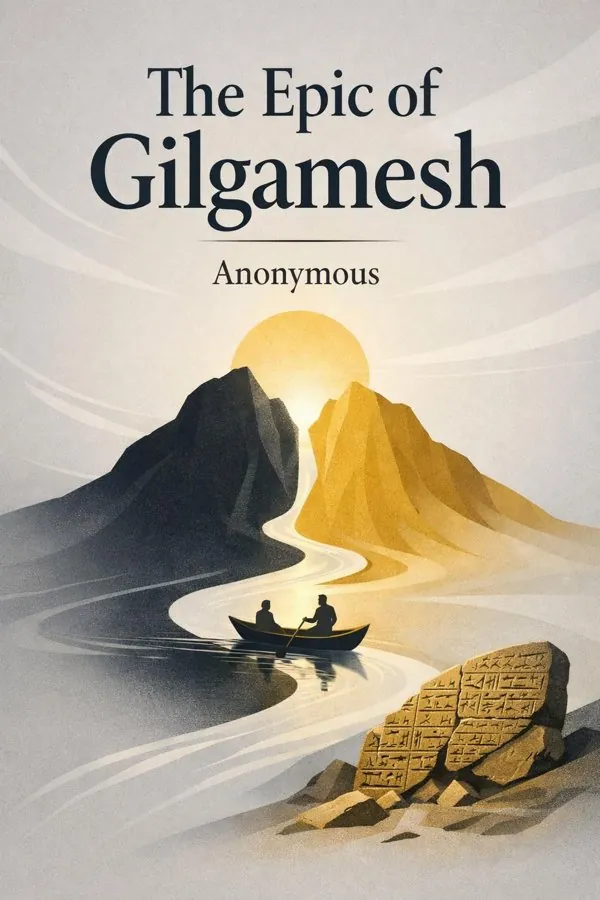
The Epic Of Gilgamesh
The Epic Of Gilgamesh is one of humanity’s oldest surviving literary masterpieces, a powerful poem from ancient Mesopotamia that still feels strikingly modern. At its center is Gilgamesh, the mighty k...
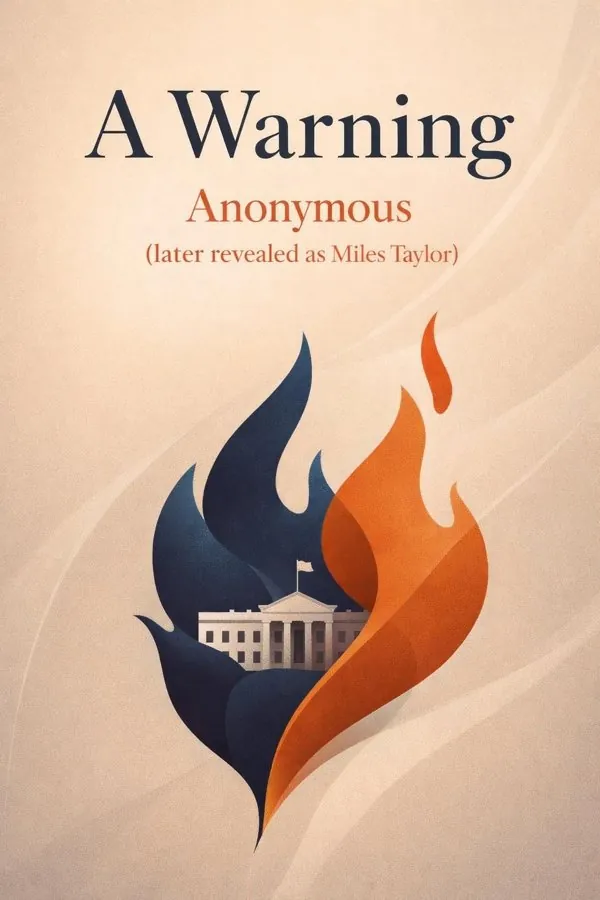
A Warning
A Warning is a rare kind of political book: part insider memoir, part institutional alarm bell, and part civic argument about the fragility of democratic leadership. First published anonymously in 201...
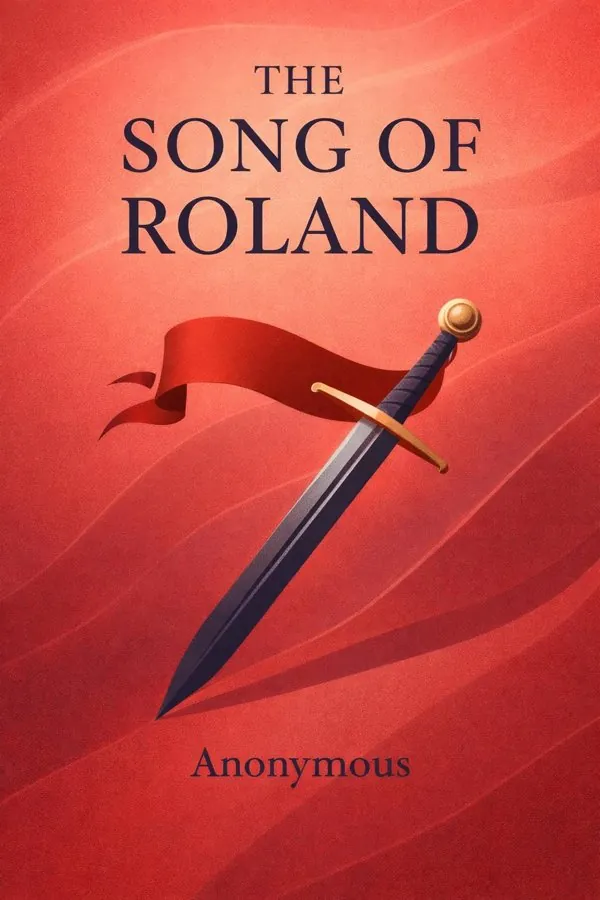
The Song of Roland
The Song of Roland is one of the foundational works of European literature: a fierce, mournful, and unforgettable epic of war, loyalty, betrayal, and faith. Composed in the 11th century and rooted in ...
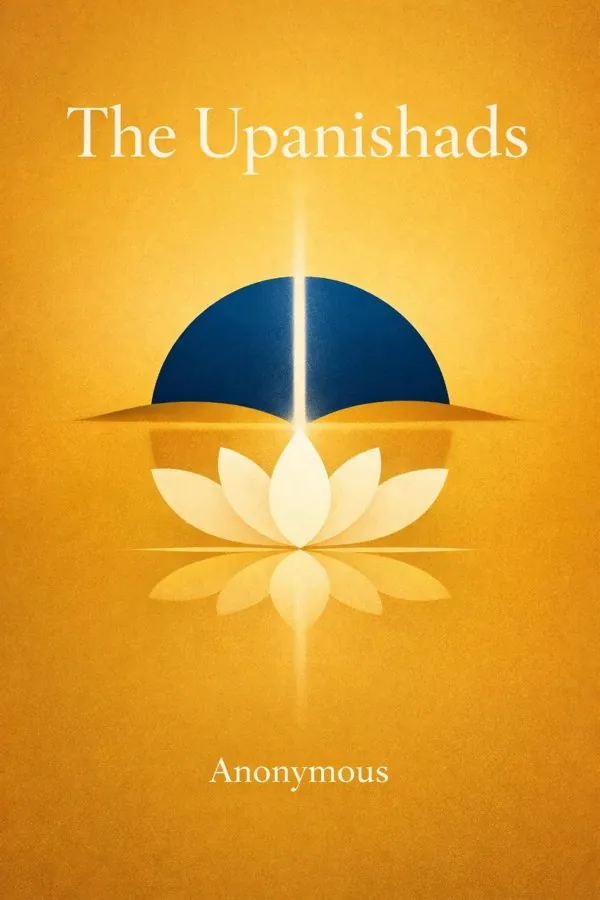
The Upanishads
The Upanishads are among humanity’s most profound explorations of consciousness, reality, and freedom. Composed in ancient India as the culminating portion of the Vedas, these texts mark a decisive sh...
Key Insights from Anonymous
Power Without Wisdom Becomes Tyranny
A ruler’s greatest danger is often not weakness, but unchecked strength. At the beginning of The Epic Of Gilgamesh, Gilgamesh is magnificent, gifted, and nearly unmatched in power, yet he uses that power badly. He dominates his people, acts without restraint, and treats his position as permission ra...
From The Epic Of Gilgamesh
Friendship Can Remake A Life
Sometimes the person who changes you most is the one strong enough to oppose you. The friendship between Gilgamesh and Enkidu is the emotional center of the epic. Their first encounter is not gentle companionship but fierce confrontation. Enkidu is created as a counterweight to Gilgamesh, and only a...
From The Epic Of Gilgamesh
Civilization And Nature Need Each Other
Human life becomes distorted when it cuts itself off from either wildness or order. Enkidu begins the epic as a being of the natural world, living among animals and untouched by urban civilization. Gilgamesh, by contrast, represents the city: walls, kingship, ambition, and human achievement. Their m...
From The Epic Of Gilgamesh
Glory Often Hides Human Fear
Many heroic ambitions are driven not by confidence, but by dread. When Gilgamesh sets out to confront Humbaba, the guardian of the Cedar Forest, the quest looks like pure heroism. He seeks fame, danger, and deeds worthy of legend. Yet beneath this pursuit lies a familiar human impulse: the desire to...
From The Epic Of Gilgamesh
Grief Forces The Soul Awake
Nothing strips away illusion like the death of someone we love. Enkidu’s death marks the turning point of The Epic Of Gilgamesh. Until then, Gilgamesh acts as though his strength, status, and victories place him above ordinary limits. But grief tears through that fantasy. Looking at Enkidu’s body, h...
From The Epic Of Gilgamesh
The Search For Immortality Fails
The most human journey may be the one that ends in refusal. After Enkidu dies, Gilgamesh becomes consumed by the need to escape death. He travels beyond the known world seeking Utnapishtim, the figure who survived the great flood and was granted exceptional life. Gilgamesh’s quest is desperate, and ...
From The Epic Of Gilgamesh
About Anonymous
The Upanishads were composed by various ancient Indian sages and seers who sought to express the spiritual insights of the Vedas. Their authorship is traditionally considered anonymous, reflecting a collective wisdom rather than individual creation.





Frequently Asked Questions
The Upanishads were composed by various ancient Indian sages and seers who sought to express the spiritual insights of the Vedas. Their authorship is traditionally considered anonymous, reflecting a collective wisdom rather than individual creation.
Read Anonymous's books in 15 minutes
Get AI-powered summaries with key insights from 4 books by Anonymous.