

Aleksandr Solzhenitsyn Books
Aleksandr Solzhenitsyn (1918–2008) was a Russian novelist, historian, and dissident. Awarded the Nobel Prize in Literature in 1970, he is best known for his works exposing the Soviet regime’s repressive system, including One Day in the Life of Ivan Denisovich and The Gulag Archipelago.
Known for: The Gulag Archipelago, The Gulag Archipelago 1918–1956: An Experiment in Literary Investigation
Books by Aleksandr Solzhenitsyn
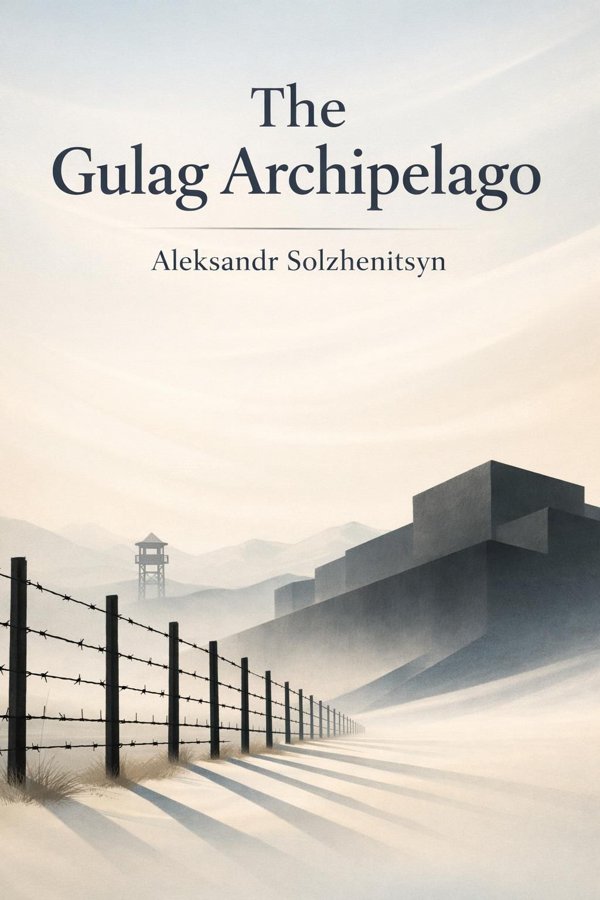
The Gulag Archipelago
The Gulag Archipelago is one of the most powerful works ever written about state violence, ideological fanaticism, and the destruction of human dignity. In this vast literary investigation, Aleksandr ...
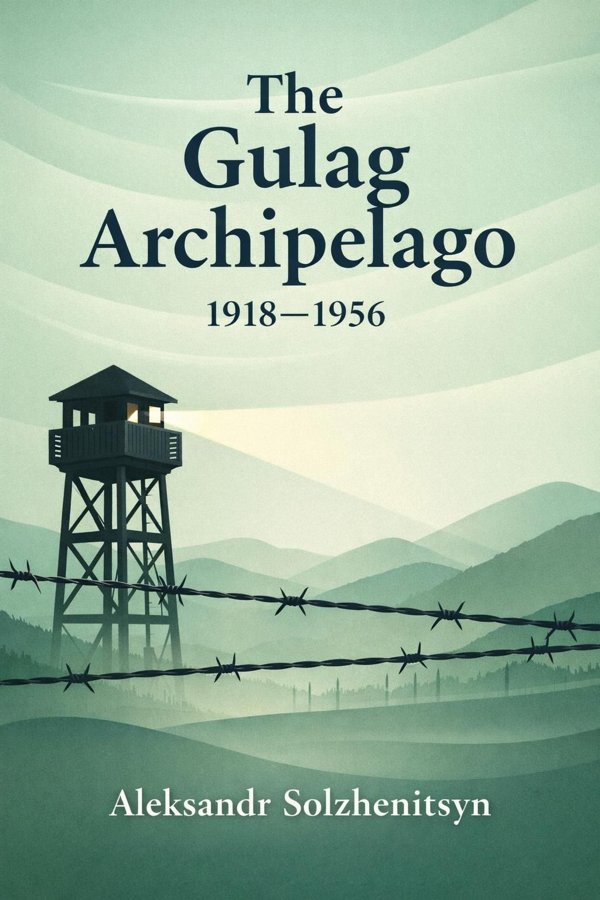
The Gulag Archipelago 1918–1956: An Experiment in Literary Investigation
The Gulag Archipelago 1918–1956 is one of the twentieth century’s most important works of historical witness. Part memoir, part documentary record, part moral indictment, Aleksandr Solzhenitsyn recons...
Key Insights from Aleksandr Solzhenitsyn
Arrest Begins the Descent
A totalitarian system often reveals itself in a single knock at the door. Solzhenitsyn begins with arrest because this is the moment when ordinary life is split in two: before and after the state claims total power over a person. One can be taken from work, from home, from a train platform, or from ...
From The Gulag Archipelago
Interrogation Turns Truth Into Theater
When a regime no longer seeks truth, confession becomes a political performance. Solzhenitsyn describes interrogation as a system designed not to discover facts but to manufacture guilt. Investigators use exhaustion, threats, isolation, deception, and endless repetition to break resistance. A confes...
From The Gulag Archipelago
The Journey Dehumanizes Before Arrival
Long before prisoners reached the camps, the system had already begun reducing them to cargo. Solzhenitsyn’s descriptions of transport are among the book’s most revealing passages because they show how cruelty becomes routine through logistics. People are packed into railway cars, prison vans, and h...
From The Gulag Archipelago
The Camps Become a Parallel State
The Gulag was not a marginal excess of Soviet rule; it was one of its operating foundations. Solzhenitsyn presents the camps as a parallel state with their own hierarchies, economies, rules, punishments, and social codes. Millions passed through this world, where survival depended on work quotas, fo...
From The Gulag Archipelago
The Soul Can Survive Barbed Wire
The most surprising claim in The Gulag Archipelago is not that human beings can be broken, but that they can also be morally awakened in conditions meant to destroy them. Solzhenitsyn does not romanticize suffering; he records hunger, humiliation, betrayal, and death with relentless clarity. Yet he ...
From The Gulag Archipelago
Forced Labor Feeds the Machine
The Gulag was not only a prison system; it was also an economic engine powered by coercion. Solzhenitsyn shows how forced labor was used to mine, build, log, dig, and construct across vast and often brutal landscapes. Official ideology portrayed this labor as corrective, productive, even noble. In r...
From The Gulag Archipelago
About Aleksandr Solzhenitsyn
Aleksandr Solzhenitsyn (1918–2008) was a Russian novelist, historian, and dissident. Awarded the Nobel Prize in Literature in 1970, he is best known for his works exposing the Soviet regime’s repressive system, including One Day in the Life of Ivan Denisovich and The Gulag Archipelago. His writings ...
Read more
Aleksandr Solzhenitsyn (1918–2008) was a Russian novelist, historian, and dissident. Awarded the Nobel Prize in Literature in 1970, he is best known for his works exposing the Soviet regime’s repressive system, including One Day in the Life of Ivan Denisovich and The Gulag Archipelago. His writings ...
Aleksandr Solzhenitsyn (1918–2008) was a Russian novelist, historian, and dissident. Awarded the Nobel Prize in Literature in 1970, he is best known for his works exposing the Soviet regime’s repressive system, including One Day in the Life of Ivan Denisovich and The Gulag Archipelago. His writings profoundly shaped global understanding of totalitarianism and human resilience.



Frequently Asked Questions
Aleksandr Solzhenitsyn (1918–2008) was a Russian novelist, historian, and dissident. Awarded the Nobel Prize in Literature in 1970, he is best known for his works exposing the Soviet regime’s repressive system, including One Day in the Life of Ivan Denisovich and The Gulag Archipelago.
Read Aleksandr Solzhenitsyn's books in 15 minutes
Get AI-powered summaries with key insights from 2 books by Aleksandr Solzhenitsyn.