
Alejo Carpentier Books
Alejo Carpentier (1904–1980) was a Cuban novelist, essayist, and musicologist, regarded as one of the forerunners of magical realism in Latin American literature. His works combine historical erudition, philosophical reflection, and a profound exploration of Latin American cultural identity.
Known for: Explosion in a Cathedral, Journey Back to the Source, The Harp and the Shadow, The Lost Steps
Books by Alejo Carpentier

Explosion in a Cathedral
Alejo Carpentier’s Explosion in a Cathedral is one of the great historical novels of the twentieth century: a sweeping, intellectually charged, and deeply unsettling account of how revolutionary ideas...
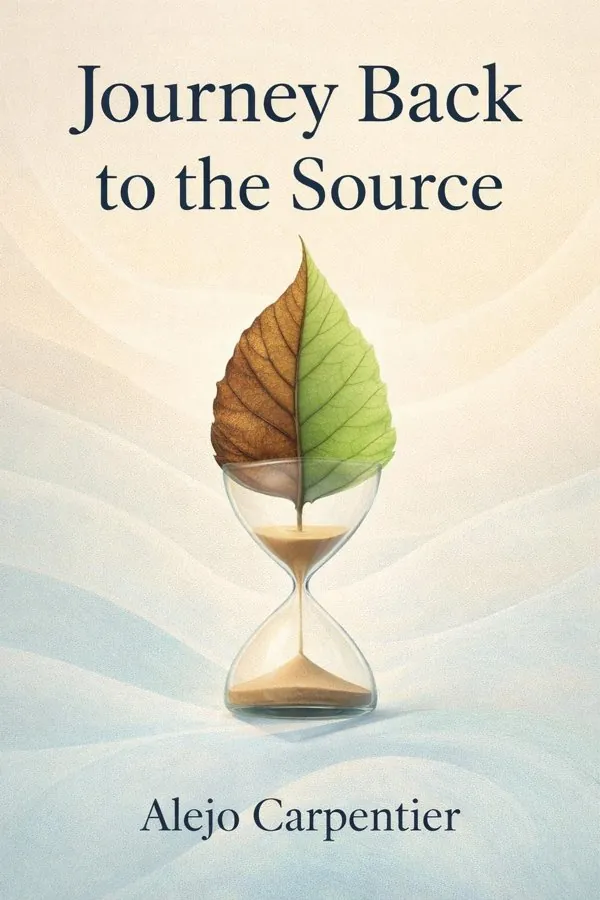
Journey Back to the Source
Alejo Carpentier’s “Journey Back to the Source” is one of the most daring short stories in modern literature because it asks a startling question: what if a human life could be experienced in reverse?...
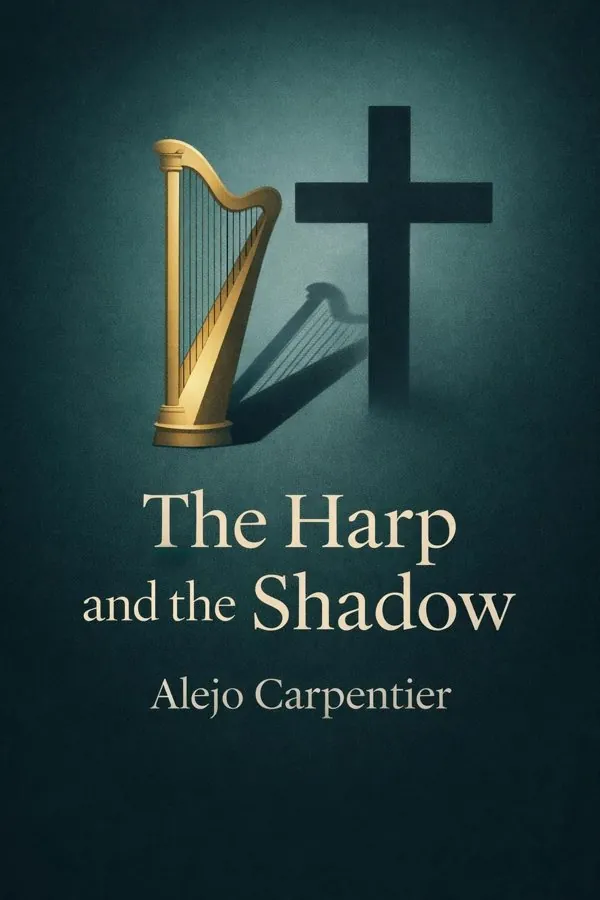
The Harp and the Shadow
What happens when one of history’s most celebrated figures is stripped of ceremony, legend, and patriotic reverence? In The Harp and the Shadow, Alejo Carpentier answers that question by revisiting Ch...

The Lost Steps
A philosophical and symbolic novel first published in 1953, 'The Lost Steps' follows a musician and intellectual who abandons modern civilization to journey deep into the South American jungle in sear...
Key Insights from Alejo Carpentier
The Enlightenment Arrives in Havana
Revolutions rarely begin with gunfire; they begin with new ways of seeing the world. At the start of Explosion in a Cathedral, Havana is not yet a battlefield of political upheaval, but it is already a crossroads of trade, ideas, and social contradiction. Within the household of Don Carlos, inherite...
From Explosion in a Cathedral
Victor Hugues Changes Everything
History often enters ordinary life through a single magnetic personality. Victor Hugues arrives in Havana not merely as a visitor from abroad but as a force of disruption. He carries the rhetoric, urgency, and theatrical energy of the French Revolution into a colonial world that has known hierarchy ...
From Explosion in a Cathedral
Revolution in the Caribbean Crucible
Ideas become most revealing when they are forced into hostile reality. Once the revolutionary tide moves into the Caribbean, Explosion in a Cathedral leaves behind the early fascination of political awakening and enters the harsher territory of implementation. Guadeloupe and the wider colonial world...
From Explosion in a Cathedral
Liberty and Slavery in Collision
Nothing exposes moral contradiction faster than a society praising freedom while profiting from bondage. One of the most powerful dimensions of Explosion in a Cathedral is its insistence that the French Revolution cannot be understood in the Caribbean without confronting slavery. Carpentier does not...
From Explosion in a Cathedral
Sofia’s Awakening and Moral Independence
The most profound revolutions are sometimes internal rather than public. Sofia begins as a young woman shaped by household order, family expectations, and intellectual curiosity, but over the course of the novel she becomes one of Carpentier’s most significant moral centers. Her development is not s...
From Explosion in a Cathedral
Esteban and the Burden of Witnessing
To witness history is not the same as to master it; often it leaves a person fragmented. Esteban serves as one of the novel’s most reflective and troubled figures, a man drawn into revolutionary currents yet unable to find lasting certainty within them. Where Victor Hugues acts and Sofia evolves tow...
From Explosion in a Cathedral
About Alejo Carpentier
Alejo Carpentier (1904–1980) was a Cuban novelist, essayist, and musicologist, regarded as one of the forerunners of magical realism in Latin American literature. His works combine historical erudition, philosophical reflection, and a profound exploration of Latin American cultural identity.


Frequently Asked Questions
Alejo Carpentier (1904–1980) was a Cuban novelist, essayist, and musicologist, regarded as one of the forerunners of magical realism in Latin American literature. His works combine historical erudition, philosophical reflection, and a profound exploration of Latin American cultural identity.
Read Alejo Carpentier's books in 15 minutes
Get AI-powered summaries with key insights from 4 books by Alejo Carpentier.