
Think and Grow Rich vs The Intelligent Investor: Which Should You Read?
A detailed comparison of Think and Grow Rich by Napoleon Hill and The Intelligent Investor by Benjamin Graham. Discover the key differences, strengths, and which book is right for you.
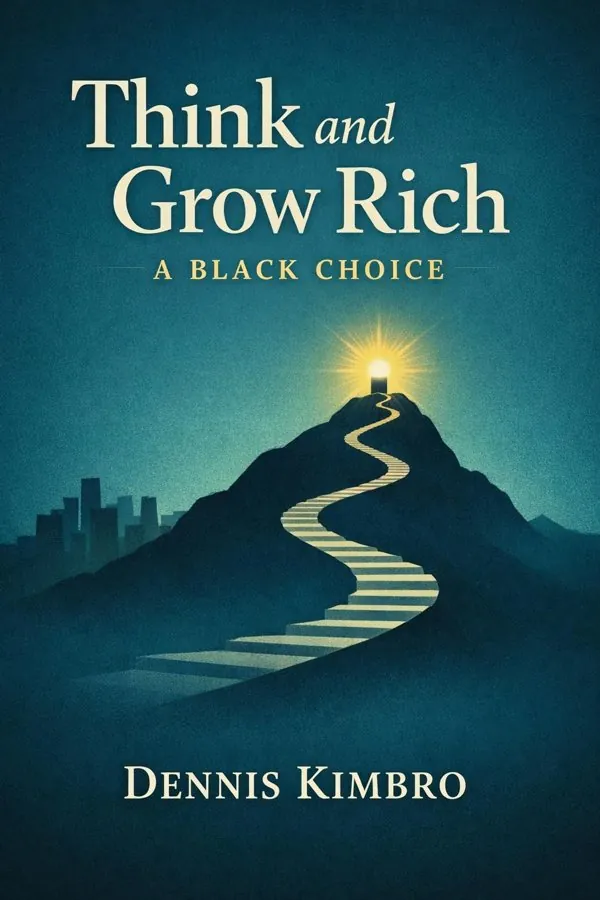
Think and Grow Rich
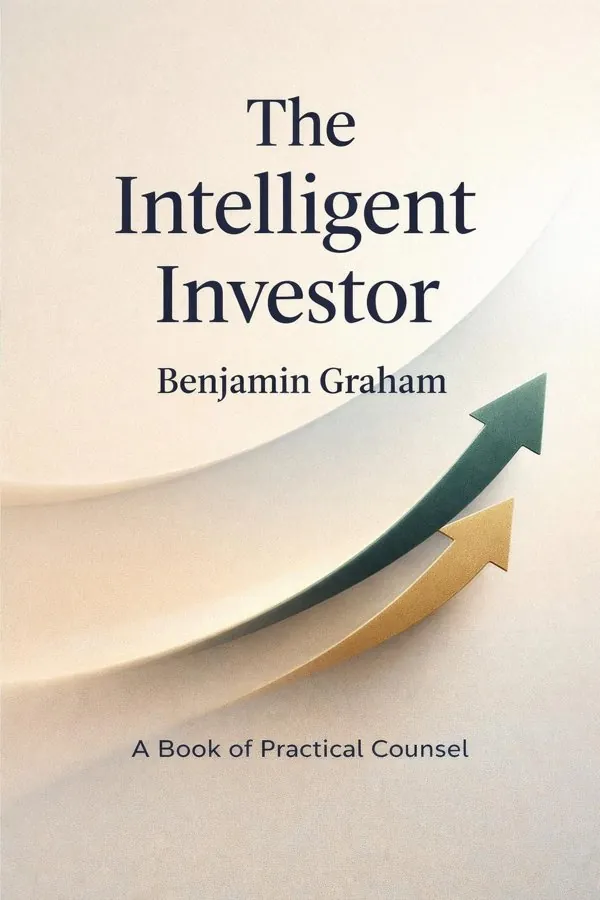
The Intelligent Investor
In-Depth Analysis
At first glance, Think and Grow Rich and The Intelligent Investor appear to belong to the same shelf because both concern wealth. In reality, they address wealth from almost opposite directions. Napoleon Hill’s book, especially in this adaptation centered on African American experience, is a philosophy of achievement: wealth is the outward result of inner conviction, disciplined desire, and persistence under pressure. Benjamin Graham’s classic is a philosophy of capital allocation: wealth is built not by intensity of belief but by careful analysis, emotional restraint, and minimizing downside risk. One teaches the reader how to think about success; the other teaches the reader how to behave in markets.
The biggest difference lies in causation. Hill argues that thoughts shape identity, expectations, and eventually material outcomes. In the key ideas provided, “The Power of Thought,” “Defining Desire and Purpose,” and “Faith and Visualization” form a sequence: first the reader learns to think possibility, then to specify a goal, then to emotionally inhabit that future until action follows. In this adaptation, those ideas gain additional moral seriousness because success is framed against the backdrop of slavery, segregation, exclusion, and generational disadvantage. That historical context changes the book’s meaning. Hill’s original formula can often sound as if the individual exists in a vacuum; this version insists that belief matters most when the world has supplied reasons for disbelief. The result is a more socially aware success manual.
Graham’s view is almost anti-romantic by comparison. He distrusts enthusiasm when money is involved. His opening distinction between investment and speculation is foundational because it strips away the glamor surrounding markets. An investment, for Graham, requires thorough analysis, safety of principal, and an adequate return. Anything else is speculation, no matter how sophisticated it sounds. This is crucial because many readers approach finance wanting confidence or excitement; Graham instead offers boundaries, definitions, and humility. In his framework, a successful investor is not the boldest but the most disciplined.
That contrast extends to psychology. Hill sees the mind as a generative force. If readers repeatedly feed themselves fear, vagueness, and resignation, they sabotage action before external conditions even matter. Therefore, he emphasizes faith, visualization, and persistence as tools for changing behavioral outcomes. A reader applying Hill might write down a definite purpose, rehearse it daily, and interpret setbacks as temporary tests rather than final verdicts. This can be transformative for entrepreneurs, professionals, or anyone trying to shift life trajectory.
Graham also cares deeply about psychology, but in a defensive way. His famous allegory of Mr. Market captures this perfectly. The market is not a wise authority to obey; it is a manic-depressive partner who quotes prices every day, sometimes absurdly high, sometimes irrationally low. The intelligent investor’s job is not to absorb Mr. Market’s moods but to exploit them selectively or ignore them. Where Hill teaches readers to generate belief, Graham teaches them to resist contagion. His psychology is not about self-creation but about emotional insulation.
The books also differ sharply in what counts as practical advice. Think and Grow Rich is practical in the realm of personal agency. “Persistence and Overcoming Adversity” offers a behavioral ethic: continue when support disappears, when results come slowly, and when discouragement would be understandable. For readers whose main challenge is paralysis, self-doubt, or the internalization of social limits, this is highly actionable. Yet it remains indirect as a finance book. It can motivate someone to pursue a business, promotion, or disciplined life, but it will not tell them how to value a stock or construct a portfolio.
The Intelligent Investor is practical in a narrower but more concrete sense. Graham gives readers criteria: separate defensive from enterprising strategies, diversify intelligently, pay attention to valuation, and insist on a margin of safety because forecasts are always vulnerable to error. The margin of safety is perhaps the cleanest expression of Graham’s genius. It recognizes that mistakes in earnings estimates, economic assumptions, or management quality are inevitable. Therefore, the investor should buy only when the price already includes a buffer. Hill asks the reader to believe strongly enough to move forward; Graham asks the reader to assume fallibility and plan around it.
In terms of evidence, Graham is plainly stronger. His arguments are structured, testable, and tied to observable investment outcomes. Hill’s framework is more philosophical and anecdotal. That does not make it useless; many life decisions depend on motivation, identity, and meaning, which are difficult to quantify. But it does mean the books operate at different epistemic levels. Graham tells you what reduces the probability of financial error. Hill tells you what may increase the probability of sustained effort and achievement.
For beginners, the better choice depends on the problem they need solved. Someone with no investing framework will gain more direct financial protection from Graham. He teaches readers how not to be fooled by market noise, hot tips, or their own impulses. Someone who is stalled, discouraged, or trying to build ambition under difficult circumstances may get more immediate life value from Hill, particularly in this adaptation’s insistence that aspiration can remain rational even under structural adversity.
Ultimately, these books are complementary if read with clear expectations. Think and Grow Rich can supply the engine: purpose, resilience, and belief that effort is worthwhile. The Intelligent Investor supplies the steering and brakes: discipline, valuation, and caution against self-destructive enthusiasm. Read together, they suggest a mature formula for wealth: dream concretely, work persistently, and allocate capital with skepticism. Hill helps readers become the kind of person who pursues opportunity; Graham helps them avoid ruining that opportunity once money is on the line.
Side-by-Side Comparison
| Aspect | Think and Grow Rich | The Intelligent Investor |
|---|---|---|
| Core Philosophy | Think and Grow Rich argues that wealth and achievement begin with inner transformation: desire, faith, visualization, and persistence convert aspiration into results. In this adaptation, those principles are grounded in African American historical experience, making success a matter not only of personal mindset but of overcoming systemic barriers. | The Intelligent Investor holds that successful investing depends on discipline, valuation, and protection against avoidable loss. Graham’s core idea is not to get rich through inspiration but to build durable wealth through rational analysis, emotional control, and a margin of safety. |
| Writing Style | Book 1 uses motivational, exhortative language designed to energize the reader and strengthen belief. Its storytelling and historical framing make abstract success principles feel morally and emotionally charged. | Book 2 is analytical, methodical, and often didactic, with a teacherly tone. Graham uses definitions, distinctions, and memorable devices like Mr. Market to turn investing into a discipline rather than a thrill. |
| Practical Application | Its practical value lies in personal habit formation: clarifying goals, repeating affirmations, visualizing outcomes, and persisting despite setbacks. The advice is broadly applicable to entrepreneurship, career advancement, and self-mastery, but less specific about financial instruments or portfolio construction. | Its practical use is highly concrete for investors: distinguish investing from speculation, assess price versus value, diversify appropriately, and insist on a margin of safety. Readers can directly apply its framework to stock selection, portfolio behavior, and risk management. |
| Target Audience | This book is best suited to readers seeking motivation, identity-based empowerment, and a philosophy of achievement under adversity. It especially resonates with those who want success literature that acknowledges race, history, and unequal starting conditions. | This book targets serious investors, from cautious beginners to experienced market participants who want a principled framework. It is especially useful for readers who prefer disciplined rules over inspirational rhetoric. |
| Scientific Rigor | Its claims rely more on anecdote, philosophy, and motivational psychology than on empirical testing. The emphasis is on lived examples and mental conditioning, which can be powerful but are not presented with the evidentiary standards of finance research. | Graham’s argument is far more rigorous in structure, using definitions, financial logic, and repeated attention to uncertainty and error. While some examples are dated, the analytical method remains stronger and more falsifiable than Hill’s mindset-centered approach. |
| Emotional Impact | Book 1 aims to inspire, affirm, and strengthen resolve, especially by linking ambition to collective struggle and resilience. Its treatment of persistence and adversity gives the book a strong emotional charge that can change how readers interpret their own obstacles. | Book 2 has a cooler emotional register, but it reassures by replacing panic and greed with a stable framework. Its emotional power comes from reducing fear, especially through ideas like Mr. Market and the margin of safety. |
| Actionability | The action steps are internal and behavioral: define a concrete purpose, cultivate faith, monitor thoughts, and persist through discouragement. These are actionable in daily life, though they require self-discipline and interpretation rather than technical skill. | The action steps are procedural and investment-specific: avoid speculation disguised as investing, choose a defensive or enterprising strategy, and buy with a buffer against error. Its advice is easier to operationalize in financial decisions because the criteria are clearer. |
| Depth of Analysis | The book goes deep on the psychology of ambition and the meaning of success in a hostile social environment. Its depth is strongest in interpreting the inner conditions of achievement rather than in dissecting economic systems or investment mechanics. | Graham offers deep analysis of market behavior, investor psychology, and valuation principles. He repeatedly examines not just what investors should do, but why they fail, especially when emotion overrides process. |
| Readability | Its motivational structure and narrative energy make it accessible to a broad audience. Readers who enjoy self-development literature will likely find it more immediately engaging than a technical investing manual. | The Intelligent Investor is readable for a classic finance text, especially because of its famous metaphors, but it still demands patience. Some readers may find the density and older examples slower going than Book 1’s inspirational style. |
| Long-term Value | Its enduring value lies in mindset training: purpose, confidence, persistence, and the refusal to internalize limitation. Readers may return to it during periods of discouragement or reinvention rather than for technical financial guidance. | Its long-term value is exceptionally high for anyone managing capital, because its central principles remain durable across market cycles. Even when specific examples age, its teachings on speculation, temperament, and safety retain practical force. |
Key Differences
Mindset vs Method
Think and Grow Rich is primarily about inner causation: thought, desire, faith, and persistence create the conditions for success. The Intelligent Investor is about external decision rules: analyze carefully, distinguish investment from speculation, and buy with a margin of safety.
Broad Success vs Specific Investing
Hill’s book applies to entrepreneurship, career growth, leadership, and personal resilience, so its concept of wealth is broad and often symbolic as well as financial. Graham’s book is specifically about investing capital, with examples centered on securities, prices, risk, and portfolio behavior.
Historical Empowerment vs Analytical Neutrality
This adaptation of Think and Grow Rich explicitly situates success within African American historical struggle, making social context part of the argument. The Intelligent Investor is comparatively neutral and universal in tone, focusing on investor behavior rather than identity or historical exclusion.
Inspiration vs Protection
Hill tries to ignite action by making readers feel possibility, urgency, and confidence. Graham tries to protect readers from self-inflicted damage, especially panic buying, euphoric speculation, and overpaying for assets.
Faith and Visualization vs Mr. Market and Margin of Safety
Hill’s signature tools are internal practices such as visualization and belief reinforcement, which aim to align behavior with ambition. Graham’s signature tools are conceptual safeguards like Mr. Market and the margin of safety, which teach skepticism toward price movements and uncertainty.
Anecdotal Persuasion vs Structured Reasoning
Think and Grow Rich persuades through examples of achievement, motivational logic, and interpretive lessons drawn from struggle. The Intelligent Investor persuades through definitions, distinctions, and principles that can be checked against long-term investment outcomes.
Immediate Motivation vs Durable Financial Framework
Readers often feel an immediate surge of resolve after reading Hill because the book directly addresses doubt and inertia. Graham’s impact may be less emotionally dramatic at first, but his framework tends to remain useful for decades whenever real money decisions are involved.
Who Should Read Which?
The ambitious early-career reader seeking confidence and direction
→ Think and Grow Rich
This reader is likely to benefit most from Hill’s emphasis on definite purpose, belief, and persistence. The adaptation’s attention to historical adversity also makes it especially powerful for readers who need motivation that acknowledges unequal starting points rather than ignoring them.
The cautious saver who wants to invest without being misled by hype
→ The Intelligent Investor
Graham is ideal for someone who wants a disciplined introduction to investing and fears making expensive mistakes. His distinction between investing and speculation, along with concepts like Mr. Market and margin of safety, gives this reader a clear framework for long-term decisions.
The entrepreneur or professional beginning to accumulate capital
→ The Intelligent Investor
Although this reader may relate strongly to Hill’s lessons on persistence, Graham becomes more important once real money is at stake. Entrepreneurs often have high conviction by nature, and The Intelligent Investor helps prevent that strength from turning into overconfidence in markets or poor capital allocation.
Which Should You Read First?
For most readers, the best reading order depends on whether your first problem is motivation or money management. If you are still developing ambition, trying to recover from setbacks, or needing a clearer sense of purpose, begin with Think and Grow Rich. Its emphasis on desire, faith, visualization, and persistence can create the psychological momentum that makes later financial discipline meaningful. In this adaptation, the historical framing also helps readers understand success not as naive optimism but as determined effort in the face of real obstacles. If, however, you already earn, save, or invest money and are at risk of chasing trends, panicking in downturns, or confusing excitement with judgment, start with The Intelligent Investor. Graham will immediately give you a safer framework. A strong overall sequence is Hill first, Graham second: first build the internal engine of purpose and resilience, then add the external discipline of valuation, risk control, and emotional restraint. That order works especially well for entrepreneurs and ambitious professionals, because it helps ensure that increasing confidence does not turn into costly speculation.
Want the full summary?
Get instant access to this book summary and 100K+ more with Fizz Moment.
Get Free SummaryAvailable on App Store • Free to download
Frequently Asked Questions
Is Think and Grow Rich better than The Intelligent Investor for beginners?
It depends on what kind of beginner you mean. If you are a beginner in personal development, entrepreneurship, or goal-setting, Think and Grow Rich is easier to enter because it focuses on desire, purpose, faith, and persistence rather than financial terminology. This adaptation also adds historical context that can make its message feel more grounded and urgent. But if you are a beginner specifically in investing, The Intelligent Investor is clearly better because it teaches the difference between investment and speculation, introduces Mr. Market, and emphasizes the margin of safety. In short, Hill is better for motivational beginners; Graham is better for financial beginners.
Which book is more practical for building wealth: Think and Grow Rich or The Intelligent Investor?
The Intelligent Investor is more practical if your definition of building wealth includes managing savings, buying securities, and avoiding costly mistakes. Graham provides a concrete framework for portfolio behavior, risk control, and valuation discipline. Think and Grow Rich is practical in a different sense: it helps readers clarify ambition, strengthen confidence, and persist through adversity, all of which can be essential to earning more money in the first place. So if you need tactics for investing capital, choose Graham. If you need the mindset to create opportunity, sustain effort, or recover from discouragement, Hill may be the more practical starting point.
How do Think and Grow Rich and The Intelligent Investor differ in their treatment of psychology?
Both books care deeply about psychology, but they use it for different purposes. Think and Grow Rich treats psychology as the engine of achievement: thoughts shape identity, desire sharpens action, and faith helps readers persist when evidence is incomplete. In this adaptation, that psychology is especially tied to overcoming inherited doubt and systemic adversity. The Intelligent Investor treats psychology as a source of danger unless disciplined. Graham’s intelligent investor succeeds not by feeling more strongly but by remaining calm when others are greedy or fearful. Hill’s psychology is expansive and motivational; Graham’s is corrective and protective.
Is The Intelligent Investor too advanced if I have only read self-help books like Think and Grow Rich?
Not necessarily, but it will feel very different. If you are used to the inspirational rhythm of books like Think and Grow Rich, Graham may initially seem dense, slower, and more technical. However, The Intelligent Investor is not advanced because of mathematics; it is advanced because of its demand for patience, discipline, and conceptual clarity. Ideas like Mr. Market and the margin of safety are very accessible once you understand their purpose. In fact, readers coming from self-help may benefit from Graham because he replaces vague confidence with rules for decision-making. It is a shift from motivation to judgment rather than an impossible leap in difficulty.
Which book has more long-term value: Think and Grow Rich or The Intelligent Investor?
For most readers concerned with actual investing, The Intelligent Investor has greater long-term value because its central principles remain relevant across booms, crashes, bubbles, and recessions. The need to distinguish investment from speculation and to maintain a margin of safety never really expires. Think and Grow Rich has long-term value of a different sort: readers often return to it during career transitions, setbacks, or periods of doubt because its lessons on desire, faith, and persistence are emotionally renewable. If you want a permanent framework for handling money, Graham wins. If you want a renewable source of conviction and resilience, Hill remains valuable.
Should entrepreneurs read Think and Grow Rich before The Intelligent Investor?
In many cases, yes. Entrepreneurs often need a compelling sense of purpose, the ability to visualize outcomes before external validation arrives, and persistence through repeated setbacks, all of which are central to Think and Grow Rich. This adaptation’s focus on historical adversity may also resonate with founders who feel they are building against structural odds. Once an entrepreneur begins generating profits or accumulating investable capital, The Intelligent Investor becomes essential because entrepreneurial confidence can easily spill into financial overconfidence. Reading Hill first can strengthen ambition; reading Graham next can prevent ambition from becoming reckless speculation.
The Verdict
If you want one book to improve your financial judgment, The Intelligent Investor is the stronger recommendation. Graham offers a durable operating system for handling money: define investment properly, ignore market hysteria, choose a strategy suited to your temperament, and always build in a margin of safety. Those principles are more concrete, more defensible, and more directly tied to preserving and compounding wealth than Hill’s broader success philosophy. That said, Think and Grow Rich should not be dismissed as merely inspirational. In this adaptation, its focus on African American history and achievement gives the familiar Hill framework a depth that many success books lack. Desire, faith, and persistence are not presented as empty slogans but as tools for people navigating inherited barriers and social resistance. For readers who need to rebuild belief, sharpen purpose, or stay committed under adversity, it may be the more immediately life-changing book. The clearest verdict is this: read Think and Grow Rich if your main obstacle is internal hesitation, discouragement, or a lack of direction. Read The Intelligent Investor if your main obstacle is financial ignorance, emotional investing, or the temptation to speculate. If possible, read both. Hill can help you generate ambition and endurance; Graham can help you convert financial success into durable wealth without losing it to impulse, hype, or avoidable error.
Related Comparisons

Want to read both books?
Get AI-powered summaries of both Think and Grow Rich and The Intelligent Investor in just 20 minutes total.