
The Energy Bus vs The First 90 Days: Which Should You Read?
A detailed comparison of The Energy Bus by Jon Gordon and The First 90 Days by Michael Watkins. Discover the key differences, strengths, and which book is right for you.

The Energy Bus
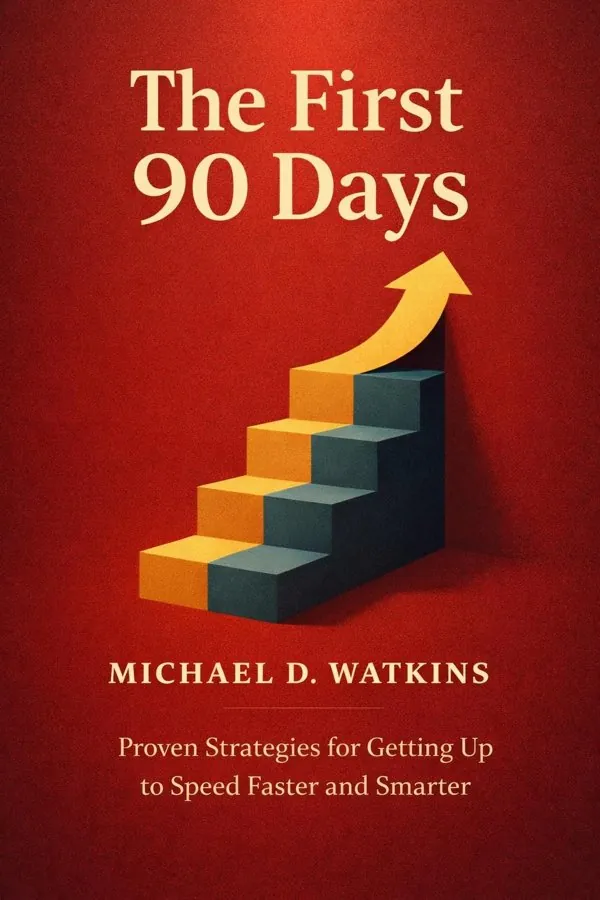
The First 90 Days
In-Depth Analysis
Jon Gordon’s “The Energy Bus” and Michael Watkins’ “The First 90 Days” both hold prominent places in the business book landscape, yet their approaches, methodologies, and intended impacts diverge significantly. Their juxtaposition offers valuable insight into the spectrum of personal and organizational transformation literature.
At its core, “The Energy Bus” is an allegorical tale. Through the struggles and redemption of George—a man whose life and career are unraveling—Gordon delivers ten rules for infusing work and life with positivity. The narrative unfolds on an actual bus, where Joy, an exuberant driver, imparts wisdom like “You are the driver of your bus” and “Don’t waste your energy on those who don’t get on your bus.” The storytelling device humanizes the material, inviting readers to emotionally connect with George’s setbacks and triumphs. Gordon’s methodology is less about detailed business analysis and more about fostering a mindset shift. For instance, Rule #3, “Fuel Your Ride with Positive Energy,” is explored through George’s realization that his negativity has alienated his team and family. The solution is not a new management structure or process, but a conscious, ongoing effort to radiate optimism, which gradually transforms his relationships and results.
Conversely, “The First 90 Days” is unapologetically tactical. Watkins eschews allegory, instead offering a robust framework for leaders moving into new roles. His advice—such as “Promote Yourself” and “Accelerate Your Learning”—is rooted in extensive research and field experience. Watkins introduces diagnostic tools like the STARS model (Startup, Turnaround, Accelerated Growth, Realignment, Sustaining Success) to help readers assess the context they’re entering. The book is rich in checklists, timelines, and stakeholder maps, making it a go-to manual during the fraught early months of a new appointment. For example, Watkins dedicates chapters to securing “early wins,” explaining how small but visible successes can build credibility and buy-in. This is not a matter of attitude alone, but of targeted action: identifying quick-impact projects, aligning with key players, and negotiating clear expectations with superiors.
Philosophically, the books stand apart. “The Energy Bus” posits that the engine of success is personal energy and positivity, with the group’s morale following the leader’s example. Its solutions are primarily internal, focusing on mindset, vision, and enthusiasm. In contrast, “The First 90 Days” is fundamentally external and systemic. Watkins assumes that the leader is already motivated, and instead zeroes in on the structural, political, and cultural factors that make or break a transition. The emphasis is on adaptability—tailoring one’s approach to the unique challenges of each situation, rather than adhering to fixed rules.
In terms of practical implications, “The Energy Bus” is most effective as a catalyst for personal change or team culture shifts. Its lessons inspire leaders to take ownership of their attitude and to consciously cultivate positivity in themselves and their teams. However, it offers limited guidance for navigating the nuanced hazards of organizational politics, complex stakeholder networks, or the technical demands of leadership transitions.
“The First 90 Days,” on the other hand, is indispensable for anyone stepping into a new managerial role. Its tools—like the learning agenda, early win plan, and stakeholder map—are immediately usable, helping new leaders avoid common pitfalls such as misreading the culture or failing to secure key alliances. Watkins’s strategies are backed by research and can be tailored to different contexts, making this book a long-term reference for career progression.
Methodologically, Gordon’s book is linear and character-driven, with each rule unfolding as George’s journey progresses. This approach enhances memorability and emotional engagement but sacrifices depth in favor of broad applicability. Watkins’s work is modular and analytical; each chapter can stand alone as a resource, and the book as a whole forms a comprehensive toolkit. This structure appeals to readers seeking depth and specificity.
In sum, “The Energy Bus” shines as a motivational primer on personal leadership and positive culture, while “The First 90 Days” excels as a detailed, research-based manual for leaders facing real-world transitions. The choice between them should be guided by the reader’s immediate needs—emotional inspiration versus tactical, actionable strategy.
Side-by-Side Comparison
| Aspect | The Energy Bus | The First 90 Days |
|---|---|---|
| Core Philosophy | The Energy Bus centers on the transformative power of positive thinking, suggesting that optimism, vision, and attitude are the primary drivers of career and personal success. | The First 90 Days emphasizes structured leadership transitions, focusing on the importance of strategy, early wins, and systematic stakeholder alignment as the foundation for effective management. |
| Writing Style | Gordon employs a narrative, parable-driven style, using the fictional story of George and Joy to convey lessons in an accessible and emotionally resonant format. | Watkins adopts a straightforward, instructional style, featuring frameworks, checklists, and real-world case studies, prioritizing clarity and actionable detail over storytelling. |
| Practical Application | Its ten rules are memorable and motivational but often require personal interpretation for application in specific business contexts. | The First 90 Days provides concrete step-by-step processes, diagnostic tools like the STARS model, and targeted advice for immediate use during professional transitions. |
| Target Audience | Aimed at a broad audience, especially those seeking personal or team motivation, regardless of their management experience. | Geared explicitly toward managers and executives entering new leadership roles who need tactical guidance for their first three months. |
| Scientific Rigor | Relies more on anecdotal evidence and motivational psychology, with little reference to empirical research or business theory. | Grounded in organizational studies and leadership research, integrating established models and referencing real-world data. |
| Emotional Impact | Designed to inspire and uplift, using narrative tension, personal setbacks, and triumphs to generate empathy and motivation. | Focused on reducing anxiety through clarity and confidence, but its tone is more pragmatic than emotionally charged. |
| Actionability | Encourages internal attitude shifts and group morale but provides less detailed instruction for complex organizational change. | Highly actionable, with structured plans, timelines, and checklists tailored for immediate implementation in professional settings. |
| Depth of Analysis | Stays at a high level, emphasizing broad principles over detailed analysis or nuanced exploration of business challenges. | Delivers in-depth frameworks for diagnosing situations, mapping stakeholders, and adapting strategies to context. |
| Long-term Value | Best as an initial spark for positive change, its lessons may need supplementing with deeper strategy for sustained results. | Provides a reference toolkit for career transitions that can be revisited throughout different leadership moves. |
| Readability | Highly readable, engaging, and brief, making it accessible for readers at all levels. | Requires more concentration due to its analytical tone and denser content, but remains clear and logically organized. |
Key Differences
Approach and Format
The Energy Bus uses a fictional parable to teach its lessons, making abstract concepts emotionally relatable. The First 90 Days is a practical manual, organized around frameworks and checklists, addressing real-world scenarios with precision.
Focus Area
Gordon’s book targets mindset, positivity, and team culture, while Watkins zeroes in on the mechanics of leadership transitions, organizational analysis, and stakeholder management.
Level of Detail
The Energy Bus offers high-level, broadly applicable rules, whereas The First 90 Days provides detailed, situation-specific guidance for new leaders.
Scientific Rigor
The First 90 Days is grounded in leadership research and case studies, making its recommendations evidence-based. The Energy Bus draws from anecdotal experiences and motivational psychology, with less empirical backing.
Intended Audience
The Energy Bus appeals to a wide audience, including those outside traditional business roles, due to its universal themes. The First 90 Days is tailored for managers and executives starting new leadership positions.
Emotional vs. Practical Impact
Gordon’s book aims to inspire and emotionally uplift, while Watkins’s work is designed to reduce anxiety through actionable clarity and structured planning.
Long-term Value
The Energy Bus serves as an initial catalyst for change but may require supplementing with tactical resources. The First 90 Days is a long-term toolkit that leaders can revisit across multiple career transitions.
Who Should Read Which?
The Motivated Novice
→ The Energy Bus
This reader is new to leadership or self-improvement and needs encouragement to take ownership of their journey. The Energy Bus’s narrative and accessible rules provide a motivational boost, laying the groundwork for future growth.
The Transitioning Executive
→ The First 90 Days
This reader is entering a new managerial or executive role and requires concrete tools to navigate the complexities of change. The First 90 Days offers research-backed frameworks and immediate action steps tailored for this high-stakes scenario.
The Team Builder
→ The Energy Bus
A leader looking to rejuvenate team culture or address negativity will benefit most from The Energy Bus. Its focus on vision, positivity, and team alignment is ideal for fostering a more engaged and collaborative environment.
Which Should You Read First?
For readers new to leadership or those facing low morale—either personally or within a team—beginning with The Energy Bus is advantageous. Its uplifting narrative and focus on personal agency help build the foundational mindset necessary for effective leadership and change. This book is especially useful for those who may feel overwhelmed, discouraged, or resistant to more technical management material. Once a positive, proactive mindset is established, transitioning to The First 90 Days allows readers to apply this energy to structured, strategic action. The practical frameworks and diagnostic tools will be far more impactful when the reader is already motivated and open to change. For experienced managers or those already in transition, starting with The First 90 Days may be preferable, as it addresses immediate tactical needs. Ultimately, reading both in sequence—mindset first, then strategy—maximizes the benefits of each.
Want the full summary?
Get instant access to this book summary and 100K+ more with Fizz Moment.
Get Free SummaryAvailable on App Store • Free to download
Frequently Asked Questions
Is The Energy Bus better than The First 90 Days for beginners in leadership?
The Energy Bus is generally more accessible to beginners because of its simple storytelling format and focus on foundational mindset shifts. New leaders often benefit from Gordon’s encouragement to take ownership of their attitude and vision. However, it lacks the step-by-step tactical guidance that The First 90 Days provides, which may become essential as beginners progress to more complex challenges. For those completely new to leadership or seeking motivation, The Energy Bus is a more digestible starting point.
Which book offers more actionable frameworks: The Energy Bus or The First 90 Days?
The First 90 Days is far superior in providing actionable frameworks. Watkins includes diagnostic tools like the STARS model, onboarding checklists, stakeholder mapping, and specific strategies for early wins. These frameworks are designed for direct application in real-world business transitions. In contrast, The Energy Bus offers broad rules and general guidance, which inspire but do not provide detailed, step-by-step implementation.
Does The First 90 Days provide guidance for team motivation like The Energy Bus?
While The First 90 Days touches on the importance of building credibility and aligning teams, its primary focus is on strategic actions rather than emotional or motivational leadership. The Energy Bus is more effective for fostering team morale and a culture of optimism. If your main concern is energizing and motivating a team, Gordon’s book offers more relevant insights, though it should ideally be paired with practical strategy from Watkins.
How do the scientific foundations of The Energy Bus and The First 90 Days compare?
The First 90 Days is firmly rooted in organizational research, referencing leadership studies and proven management models throughout. Watkins’s recommendations are backed by case studies and empirical evidence. The Energy Bus, meanwhile, draws on motivational psychology and anecdotal experience, with less emphasis on scientific rigor or data. Readers seeking evidence-based guidance will find The First 90 Days more robust in this regard.
Which book is better for executives moving into new organizations: The Energy Bus or The First 90 Days?
Executives facing new organizational roles will gain much more from The First 90 Days. Watkins’s frameworks for learning about the new environment, mapping stakeholders, and securing early wins are tailored precisely for this scenario. The Energy Bus can supplement this transition by encouraging a positive outlook, but it does not address the nuanced challenges of executive onboarding or organizational navigation.
Can The Energy Bus help with personal life challenges, or is it strictly business-focused?
The Energy Bus is distinctly versatile, with principles that apply to both personal and professional life. Gordon’s rules—such as taking ownership, focusing on vision, and surrounding oneself with positivity—are universally relevant. Readers often report using the book’s lessons to improve family relationships, health, and general well-being, in addition to workplace morale.
The Verdict
Both books are valuable, but their strengths serve distinct purposes. The Energy Bus is ideal for individuals or teams seeking inspiration, a boost in morale, and a clear, memorable set of principles to foster positivity and ownership. Its allegorical style is particularly effective for readers who learn best through stories and emotional engagement. However, it may leave more experienced leaders or those facing complex organizational transitions wanting more in terms of actionable strategy. The First 90 Days, meanwhile, is the definitive resource for managers and executives stepping into new roles. Its frameworks, diagnostic tools, and tactical advice are indispensable for anyone who needs to quickly build credibility, navigate organizational politics, and secure early wins. Watkins’s book can be dense, but its practicality and depth make it the superior choice for career transitions and leadership development. For readers seeking motivation or a culture reset, start with The Energy Bus. For those embarking on a new leadership journey or managing significant change, The First 90 Days is essential. Ideally, both books can complement each other: Gordon’s positive mindset as a foundation, and Watkins’s strategies as a roadmap.
Related Comparisons




Want to read both books?
Get AI-powered summaries of both The Energy Bus and The First 90 Days in just 20 minutes total.