
Ugly Love vs People We Meet on Vacation: Which Should You Read?
A detailed comparison of Ugly Love by Colleen Hoover and People We Meet on Vacation by Emily Henry. Discover the key differences, strengths, and which book is right for you.
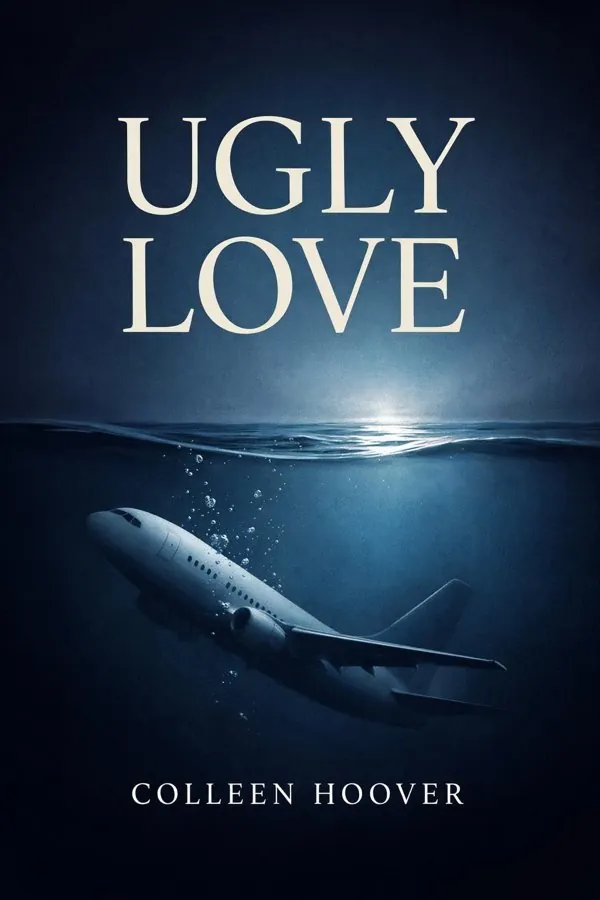

Ugly Love
People We Meet on Vacation
In-Depth Analysis
Although both Ugly Love by Colleen Hoover and People We Meet on Vacation by Emily Henry are contemporary romances built around emotional delay, they operate from almost opposite assumptions about what love feels like and how it becomes possible. Hoover writes love as a force that collides with trauma; Henry writes it as a truth that slowly emerges from companionship. Both books use split timelines, withheld emotional information, and a central pair whose chemistry is obvious long before either relationship becomes stable. Yet the reading experience they produce is markedly different: Ugly Love is claustrophobic, painful, and designed around wounds, while People We Meet on Vacation is expansive, funny, and structured around longing that remains fundamentally hopeful.
The most important contrast lies in each novel’s emotional engine. In Ugly Love, Tate Collins and Miles Archer begin with attraction and then enter a rule-based physical arrangement: no asking about the past, no expectations about the future. Those rules are not simply romantic obstacles; they are the architecture of Miles’s self-protection. The book’s alternating past chapters, centered on Miles and Rachel, eventually explain why he has reduced intimacy to something bodily but not emotionally survivable. This gives Hoover’s novel a tragic frame: the present relationship is shaped by a grief the heroine only partially understands. The tension comes from watching Tate agree to terms that are obviously unequal. She wants more, but she keeps participating, hoping proximity will soften him. That imbalance is the point. Hoover is not depicting a healthy arrangement gone wrong; she is depicting the emotional cost of entering a relationship where one person is still governed by unprocessed devastation.
In People We Meet on Vacation, by contrast, Poppy Wright and Alex Nilsen begin not with erotic rules but with deep familiarity. Their connection grows through years of annual trips, inside jokes, personality contrasts, and repeated returns to one another. Poppy is adventurous, socially fluid, and professionally successful but quietly dissatisfied; Alex is reserved, grounded, dependable, and far more emotionally central to her life than she initially admits. The split timeline here does not primarily conceal trauma in the Hoover sense. Instead, it accumulates evidence. Each vacation destination marks a stage in their emotional evolution, and the reader gradually sees how their friendship has always contained romantic potential. The big question is not “What terrible event broke this person?” but “Why have these two people, who fit so deeply, failed to speak honestly?” That difference matters. Henry’s novel is interested in timing, self-mythology, and fear of changing a beloved dynamic; Hoover’s is interested in grief so severe it makes the future feel impossible.
Their heroines also reveal the books’ divergent values. Tate, in Ugly Love, is patient, observant, and emotionally vulnerable in a way that often leaves her exposed. She functions partly as the reader’s witness to Miles’s pain, and the novel’s drama depends on how much suffering she is willing to absorb in exchange for fragments of closeness. Some readers find this devastatingly romantic; others find it troubling because the emotional asymmetry is so pronounced. Poppy, on the other hand, has more narrative agency as a personality. She is messy in her own way, but Henry gives her an interior life shaped by career dissatisfaction, restlessness, and uncertainty about what kind of life actually fulfills her. Her relationship with Alex is therefore not just about whether he loves her back; it is also about whether she can recognize that the life she performs for herself may not align with what she truly wants.
The male leads are equally distinct. Miles is written as a damaged romantic figure whose reserve is not mystery for its own sake but a symptom of profound loss. Hoover uses his silence, his rules, and the eventually revealed past with Rachel to generate emotional intensity. Alex, by contrast, is not emotionally unavailable in the same catastrophic way. He is quiet, careful, and restrained, but his affection for Poppy is woven into years of steady presence. If Miles embodies the romance archetype of the wounded man who must confront buried grief, Alex embodies the archetype of the dependable friend whose love has been visible all along, if only imperfectly understood.
Stylistically, Hoover and Henry also separate sharply. Hoover favors compressed, emotionally loaded scenes and revelations that aim for rupture. Ugly Love is built to hurt. Its strongest moments are not banter or social comedy but confrontations, internal ache, and the cumulative pressure of things not said. Henry, by contrast, excels at conversational energy. Her humor, travel settings, and scene-level charm make People We Meet on Vacation feel lighter even when it addresses loneliness or fear. The vacations provide not only structure but texture: the book moves through place, memory, and mood with a sense of romantic spaciousness. That gives Henry’s story a more breathable emotional atmosphere.
As romances, the books ask different things of the reader. Ugly Love asks for tolerance of imbalance, anguish, and delayed explanation in exchange for catharsis. Readers who want a polished emotional spiral, where pain is the medium through which love becomes legible, are likely to find it powerful. People We Meet on Vacation asks for patience with slow realization, interrupted timing, and friends-to-lovers hesitation. Readers who prefer mutual affection, humor, and an eventual sense of emotional partnership will likely find Henry’s novel more satisfying.
Ultimately, both novels are about avoidance, but they define it differently. In Ugly Love, avoidance is trauma’s defense against unbearable memory. In People We Meet on Vacation, avoidance is the quieter, more recognizable human habit of not naming what might change everything. That is why Hoover’s book often feels more shattering, while Henry’s feels more healing. One says love gets ugly when pain is denied; the other says love becomes possible when the truth stops being postponed.
Side-by-Side Comparison
| Aspect | Ugly Love | People We Meet on Vacation |
|---|---|---|
| Core Philosophy | Ugly Love argues that desire without emotional honesty becomes destructive. Its central idea is that unresolved grief and avoidance can turn love into a source of pain rather than healing. | People We Meet on Vacation treats love as something that often grows quietly through friendship, timing, and accumulated shared experience. It suggests that emotional courage and honest communication are what finally allow a long-buried bond to become sustainable romance. |
| Writing Style | Colleen Hoover uses a confessional, high-intensity style, with alternating timelines that gradually reveal Miles’s traumatic past. The prose is intimate and emotionally immediate, often designed to land with maximum dramatic force. | Emily Henry writes with a breezier, witty, dialogue-driven style that balances humor with vulnerability. Her dual-timeline structure is less suspense-oriented than Hoover’s and more focused on building chemistry and emotional recognition over time. |
| Practical Application | Ugly Love offers readers a stark fictional case study in boundaries, emotional unavailability, and the limits of 'casual' arrangements when one person is already deeply invested. Its usefulness lies in what it warns against rather than in any healthy relational model it provides. | People We Meet on Vacation offers more practical insight into how friendship, compatibility, and repeated shared experiences shape romantic intimacy. Readers may find its depiction of emotional timing, self-knowledge, and communication more applicable to real-life relationships. |
| Target Audience | This novel is best suited to readers who want angsty, emotionally volatile romance with significant pain, longing, and catharsis. It especially appeals to fans of trauma-centered love stories and intense physical chemistry. | This book is ideal for readers who enjoy friends-to-lovers romance, travel settings, and banter-heavy emotional build-up. It works particularly well for those who prefer warmth and yearning over relentless heartbreak. |
| Scientific Rigor | As a contemporary romance novel, Ugly Love is not grounded in formal psychological analysis, though it loosely engages themes of trauma, grief, and emotional repression. Its treatment of these themes is emotionally persuasive rather than clinically precise. | People We Meet on Vacation also lacks scientific rigor in any formal sense, but its character behavior often feels psychologically credible in the context of attachment, fear of change, and self-protective silence. Its realism comes from observation of social dynamics, not research-based framing. |
| Emotional Impact | Ugly Love aims to devastate before it heals, using Miles’s past with Rachel and the imbalance in his arrangement with Tate to create sustained emotional pressure. Many readers remember it for its gut-punch reveals and its raw portrayal of suppressed pain. | People We Meet on Vacation tends to create a softer but very potent emotional effect through nostalgia, missed chances, and the ache of best friends circling the truth. Its impact comes less from tragedy and more from yearning and earned tenderness. |
| Actionability | Its lessons are cautionary: do not mistake physical access for emotional reciprocity, and do not assume love can fix unprocessed trauma. Readers can draw strong warnings from Tate’s willingness to accept Miles’s rules despite obvious emotional risk. | Its takeaways are more constructive, emphasizing the value of honest self-expression, recognizing compatibility, and not hiding behind familiar patterns. Poppy and Alex’s history makes the case that emotional clarity must eventually replace avoidance. |
| Depth of Analysis | The novel goes deep into one specific emotional condition: the paralysis caused by grief and guilt. Its depth comes from narrowing in on Miles’s inability to imagine a future, rather than from broad social or relational commentary. | Emily Henry’s novel offers broader relational analysis by examining friendship, identity, class and lifestyle differences, and the stories people tell themselves about who they are. It is less psychologically extreme than Ugly Love but often more rounded in its emotional ecosystem. |
| Readability | Ugly Love is highly readable because it is structured around emotional hooks, escalating tension, and revelation. Even when readers find the relationship troubling, the momentum is strong and the pages turn quickly. | People We Meet on Vacation is equally accessible but in a more relaxed, conversational way, with humor and episodic vacation memories keeping the narrative lively. It is especially easy to read for audiences who enjoy contemporary rom-com rhythms. |
| Long-term Value | Its long-term value lies in its memorability: readers often retain specific scenes, emotional beats, and the central warning about loving someone unavailable. It is a book people revisit less for comfort than for intensity. | Its long-term value is stronger for comfort rereads, thanks to its charm, warmth, and layered friendship dynamic. Many readers return to it for the banter, travel atmosphere, and the satisfying evolution from companionship to romance. |
Key Differences
Trauma-Centered Romance vs Friendship-Centered Romance
Ugly Love is organized around Miles’s unresolved trauma and the way it distorts his present relationship with Tate. People We Meet on Vacation is organized around the long evolution of friendship, where every trip adds another layer to Poppy and Alex’s bond.
Immediate Physical Arrangement vs Slow Emotional Accumulation
Tate and Miles enter a physical relationship early, but emotional intimacy is explicitly forbidden by his rules about no past and no future. Poppy and Alex, in contrast, accumulate emotional intimacy over years before romance can finally be acknowledged.
Angst and Catharsis vs Banter and Yearning
Hoover’s novel thrives on pain, silence, and dramatic emotional reveals, especially through the Miles-and-Rachel flashbacks. Henry’s novel uses witty dialogue, vacation nostalgia, and unresolved tension to create a slower, sweeter ache.
Hero as Wounded Enigma vs Hero as Steady Companion
Miles is compelling because he is damaged, closed off, and carrying a grief that controls his present. Alex is compelling because he is dependable, emotionally significant, and quietly woven into Poppy’s life long before either fully names the romance.
Claustrophobic Emotional Space vs Expansive Romantic Atmosphere
Ugly Love often feels enclosed, with much of its power coming from private pain and emotionally loaded encounters. People We Meet on Vacation feels open and mobile, using trips to places like Italy and Palm Springs to create texture, movement, and shared memory.
Cautionary Lessons vs Constructive Lessons
Ugly Love shows the dangers of trying to build intimacy with someone who cannot yet emotionally participate, making Tate’s experience a warning about unequal attachments. People We Meet on Vacation more often models how honest communication and longstanding compatibility can eventually produce a healthy romantic shift.
Shock-Reveal Structure vs Recognition Structure
The past timeline in Ugly Love is designed to withhold a devastating explanation for Miles’s behavior until it lands with maximum force. In People We Meet on Vacation, the timeline works more as gradual recognition, helping readers understand how the relationship has always been heading toward love.
Who Should Read Which?
The reader who wants emotionally intense, tear-inducing romance
→ Ugly Love
This reader is likely looking for raw ache, damaged characters, and a relationship shaped by grief and emotional repression. Ugly Love delivers that in full, especially through Miles’s past and the painful imbalance of his connection with Tate.
The reader who loves witty banter, travel settings, and slow-burn chemistry
→ People We Meet on Vacation
Emily Henry’s novel offers a warm, funny, destination-filled romance where emotional payoff comes from years of friendship and mutual understanding. It is ideal for readers who want yearning without overwhelming darkness.
The reader who wants romance with healthier long-term relationship appeal
→ People We Meet on Vacation
While neither book is a manual for perfect love, Henry’s story provides a more grounded picture of compatibility, communication, and affection built over time. Compared with Tate and Miles’s painful dynamic, Poppy and Alex feel more sustainable and emotionally reciprocal.
Which Should You Read First?
Read People We Meet on Vacation first if you want the smoother entry point. Its tone is lighter, its structure is easy to follow, and its friends-to-lovers arc gives you the pleasures of chemistry, humor, and emotional payoff without requiring you to sit in prolonged distress. Starting there also helps highlight what makes Ugly Love so different, because you will move from a romance built on companionship and missed timing to one built on grief and emotional barricades. Read Ugly Love first only if you already know you prefer high-angst romance and want the more intense experience up front. In that order, People We Meet on Vacation can function as a palate cleanser afterward: still emotionally meaningful, but gentler and more comforting. For most readers, though, Henry then Hoover is the stronger sequence. It moves from warmth to intensity, lets you appreciate two very different uses of dual timelines, and prevents Hoover’s heavier material from overshadowing Henry’s softer emotional intelligence.
Want the full summary?
Get instant access to this book summary and 100K+ more with Fizz Moment.
Get Free SummaryAvailable on App Store • Free to download
Frequently Asked Questions
Is Ugly Love better than People We Meet on Vacation for beginners in romance?
For most beginners, People We Meet on Vacation is the easier starting point. Emily Henry’s novel offers a familiar friends-to-lovers setup, humor, vacation settings, and emotional tension that rarely becomes overwhelming. Ugly Love is also very readable, but it is much heavier in tone and depends on a painful imbalance between Tate and Miles that some new romance readers may find frustrating or emotionally intense. If a beginner wants warmth, banter, and a clearer sense of mutual affection, start with People We Meet on Vacation. If they specifically want angst, heartbreak, and cathartic emotional payoff, Ugly Love may be the stronger fit.
Which book has more emotional depth: Ugly Love or People We Meet on Vacation?
Ugly Love has greater emotional extremity, while People We Meet on Vacation has broader emotional texture. Hoover’s novel drills deeply into grief, trauma, guilt, and emotional shutdown through Miles’s past with Rachel and his inability to imagine intimacy beyond physical terms. Henry’s book is less devastating, but it explores a wider set of feelings: nostalgia, friendship, loneliness, life dissatisfaction, class and lifestyle differences, and romantic fear disguised as habit. If you define depth as raw suffering and catharsis, Ugly Love goes further. If you define it as a layered portrait of how love grows within ordinary life, People We Meet on Vacation may feel richer.
Is People We Meet on Vacation more uplifting than Ugly Love?
Yes, significantly. People We Meet on Vacation carries yearning and some real sadness, especially around the trip that broke Poppy and Alex’s rhythm, but its emotional register remains fundamentally hopeful. The novel is full of wit, travel memories, and the comfort of a bond that has been built over years. Ugly Love, on the other hand, is intentionally bruising. Its central relationship begins with boundaries designed to prevent emotional closeness, and the novel’s strongest scenes involve pain, repression, and fallout. Both books end romantically, but the path in Emily Henry’s novel is gentler and more affirming, whereas Hoover’s is much harsher before it reaches closure.
Which is the better friends-to-lovers style romance, Ugly Love or People We Meet on Vacation?
People We Meet on Vacation is the clearer and stronger choice if you specifically want a friends-to-lovers romance. The entire structure depends on Poppy and Alex’s long friendship, annual trips, and years of suppressed feelings, so the pleasure comes from watching familiarity become undeniable romance. Ugly Love is not really friends-to-lovers in the same sense; it is more accurately an emotionally fraught physical relationship that gradually exposes deeper feelings. Tate and Miles are connected through proximity and attraction, not a long-standing platonic foundation. So for readers searching for classic friends-to-lovers payoff, Emily Henry’s book is much more representative of the trope.
Should I read Ugly Love or People We Meet on Vacation if I want strong chemistry?
Both deliver chemistry, but they express it differently. Ugly Love emphasizes immediate physical magnetism between Tate and Miles, and that intensity drives the entire novel. The chemistry is urgent, consuming, and often painful because it exists alongside Miles’s emotional refusal. People We Meet on Vacation builds chemistry through banter, routine, emotional intimacy, and years of shared travel experiences. Poppy and Alex feel believable because their attraction grows out of knowing each other deeply. Choose Ugly Love if you want heat and emotional volatility. Choose People We Meet on Vacation if you want chemistry that feels playful, lived-in, and rooted in trust as much as desire.
Is Ugly Love or People We Meet on Vacation better if I want a romance with real-life relationship lessons?
People We Meet on Vacation offers healthier and more usable relationship insights for most readers. It shows how communication failures, timing, and fear of change can keep two compatible people apart, but it also demonstrates the value of friendship, honesty, and emotional clarity. Ugly Love is valuable more as a warning. Tate’s willingness to accept Miles’s rules despite her growing feelings illustrates how easily people can confuse hope with reciprocity. Miles’s arc also shows that unresolved grief can make genuine partnership impossible until it is confronted. So if you want practical lessons for building love, choose Emily Henry; if you want cautionary lessons about emotional unavailability, choose Hoover.
The Verdict
If you are choosing between these novels, the better recommendation for most readers is People We Meet on Vacation. It is more balanced, more emotionally sustainable, and more likely to satisfy readers who want both chemistry and genuine companionship. Emily Henry’s greatest strength is that she makes romance feel inseparable from friendship, timing, and self-discovery. Poppy and Alex are enjoyable to spend time with, and their connection develops through years of believable shared history rather than primarily through pain. That said, Ugly Love may be the more unforgettable book for readers who actively want intensity. Colleen Hoover’s novel is sharper, darker, and far more invested in emotional wreckage. The relationship between Tate and Miles is not as healthy or as mutually comfortable, but that discomfort is exactly what gives the novel its power for many readers. It is built around ache, repression, and catharsis, and it succeeds when read as an angst-forward romance rather than a model of ideal partnership. So the choice depends on what kind of romance experience you want. Read People We Meet on Vacation if you want warmth, wit, travel, longing, and a deeply earned friends-to-lovers payoff. Read Ugly Love if you want a wounded-hero romance driven by grief, desire, and emotional devastation before healing. For pure enjoyment and reread value, Emily Henry wins. For raw emotional force, Hoover does.
Related Comparisons



Want to read both books?
Get AI-powered summaries of both Ugly Love and People We Meet on Vacation in just 20 minutes total.