
Principles vs Measure What Matters: Which Should You Read?
A detailed comparison of Principles by Ray Dalio and Measure What Matters by John Doerr. Discover the key differences, strengths, and which book is right for you.

Principles
Measure What Matters
In-Depth Analysis
Ray Dalio’s 'Principles' and John Doerr’s 'Measure What Matters' are both seminal works in the business literature, yet they diverge markedly in methodology, philosophical foundations, and practical focus. Dalio’s 'Principles' is a hybrid of memoir and manual, built on his decades of experience at Bridgewater Associates, while Doerr’s 'Measure What Matters' is a pragmatic guide to a specific management methodology, the OKR framework, with roots in Silicon Valley’s most successful organizations.
'Principles' is fundamentally concerned with the mindset and culture that underpin effective decision-making. Dalio’s argument is that organizations—and individuals—thrive when they embrace radical transparency, relentless feedback, and systems that privilege the best ideas regardless of source. He recounts his own formative experiences, from early failures in currency speculation to building Bridgewater into a hedge fund powerhouse, to illustrate how learning from mistakes, analyzing cause and effect, and continual reflection create a foundation for sustainable success. Dalio’s approach is holistic; he advocates for personal and organizational evolution through clear, codified principles, ranging from honesty in communication to thoughtful disagreement. The book is replete with diagrams, algorithms, and checklists, but ultimately, it challenges readers to adopt a philosophical stance: that reality is knowable, and that we can design systems—both personal and corporate—that systematically approach truth and excellence.
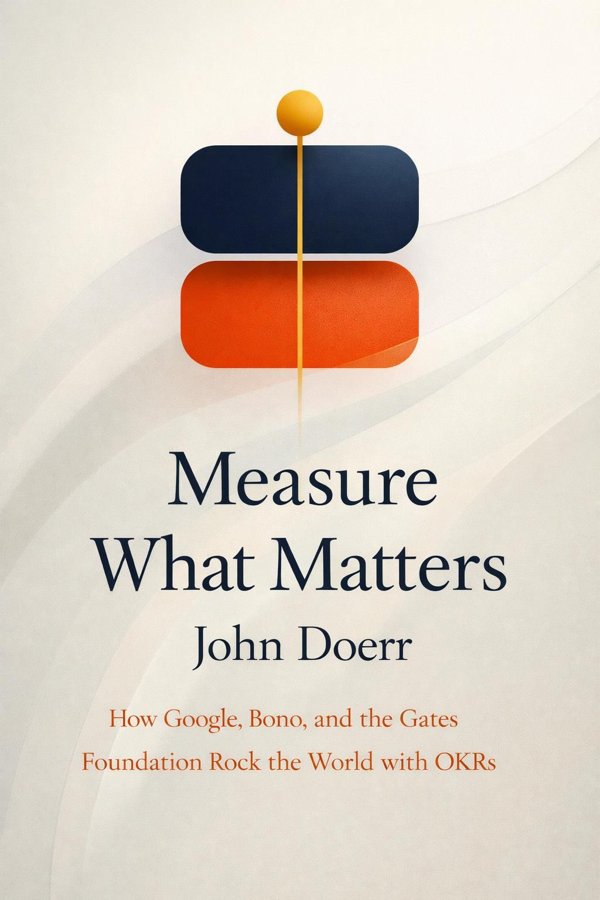
In contrast, 'Measure What Matters' is narrower in scope but arguably broader in potential impact for organizations seeking operational transformation. Doerr introduces the OKR system—a goal-setting methodology pioneered at Intel and later adopted by Google, Bono’s ONE campaign, and the Gates Foundation—as a tool for driving focus, alignment, and accountability. The book is structured around vivid case studies: Google’s explosive growth is attributed in part to the discipline of OKRs, as are the turnaround stories of lesser-known startups. Doerr outlines the four 'superpowers' of OKRs: focus and commitment, alignment and connection, tracking, and stretching for excellence. Unlike Dalio, Doerr largely eschews philosophical exposition, instead offering templates, practical advice, and troubleshooting tips for OKR implementation. The text is peppered with testimonials from leaders like Larry Page and Bill Gates, lending authority and real-world validation.
A key methodological difference lies in abstraction versus specificity. Dalio provides a set of meta-principles that must be contextualized by the reader; he wants you to think like a systems architect, designing your own set of rules for life and work. For example, his principle of 'radical transparency' is illustrated through Bridgewater’s practice of recording meetings and subjecting ideas to rigorous debate, but he stops short of offering a plug-and-play system. In contrast, Doerr hands the reader a toolkit: define objectives, set measurable key results, review progress regularly, and adjust as needed. The OKR methodology is modular and can be adopted almost immediately, as shown by the detailed walkthroughs of Google’s quarterly goal cycles.
Philosophically, 'Principles' is rooted in epistemological humility and the scientific method: Dalio insists that the best ideas should win, and that organizations must be designed to surface and test these ideas without fear or favor. He champions algorithms and decision trees, even advocating for the use of software to codify and apply principles at scale. Doerr, however, is more managerial in orientation; his focus is on the mechanics of execution, the levers that move teams from aspiration to achievement. The stories he tells—such as Google’s embrace of audacious 'moonshot' goals, or the Gates Foundation’s use of OKRs to fight malaria—demonstrate how structure and measurement unleash creativity and accountability.
In practical terms, 'Principles' is invaluable for those seeking a foundational shift in how they think about decision-making and organizational culture. It is especially relevant for founders, leaders, and anyone interested in building systems that outlast individual personalities. 'Measure What Matters,' on the other hand, is a playbook for immediate operational improvement. Its audience includes managers struggling with alignment, teams seeking clarity, and organizations at inflection points.
In sum, both books offer transformative insights, but their value depends on the reader’s needs. 'Principles' provides a deep, reflective journey into the roots of success, while 'Measure What Matters' offers a tested, scalable framework for delivering results.
Side-by-Side Comparison
| Aspect | Principles | Measure What Matters |
|---|---|---|
| Core Philosophy | Principles advocates for radical transparency and an idea meritocracy, where decisions are made based on logical analysis rather than hierarchy or emotion. | Measure What Matters centers on the OKR (Objectives and Key Results) framework, emphasizing alignment, focus, and measurable outcomes as the foundations for organizational and individual success. |
| Methodology | Dalio structures his book around life and work principles derived from decades at Bridgewater, emphasizing reflective practices, feedback loops, and algorithmic thinking. | Doerr presents a practical, step-by-step guide to implementing OKRs, illustrated by detailed case studies from major tech companies like Google and Intel. |
| Writing Style | Dalio’s tone is conversational yet didactic, weaving autobiography with prescriptive advice and frequent digressions into philosophical reflections. | Doerr’s writing is direct and case-driven, favoring clarity and conciseness, with a strong focus on actionable frameworks and real-world anecdotes. |
| Practical Application | Principles offers broad, foundational concepts that can be adapted to diverse life and business scenarios, with emphasis on mindset and cultural transformation. | Measure What Matters provides a concrete, step-by-step system for setting and tracking goals, making it immediately actionable for teams and organizations. |
| Target Audience | Dalio’s work targets leaders, entrepreneurs, and individuals interested in developing their decision-making and organizational culture. | Doerr’s book is suited for managers, executives, and teams seeking to implement structured performance management systems. |
| Scientific Rigor | Principles is rooted in Dalio’s personal experiences and internal research at Bridgewater, but lacks external validation or formal scientific studies. | Measure What Matters draws on extensive business case studies and empirical outcomes from OKR adoption, lending pragmatic credibility to its claims. |
| Emotional Impact | Dalio’s personal journey, including his mistakes and reflections, gives the book an introspective and at times vulnerable tone. | Doerr’s focus is more motivational than emotional, inspiring readers through stories of organizational transformation and achievement. |
| Actionability | While Principles provides philosophical tools and decision frameworks, its guidance is abstract and requires adaptation to specific contexts. | Measure What Matters excels in immediate actionability, providing templates, checklists, and clear steps for initiating OKRs. |
| Long-term Value | Principles offers enduring mental models for decision-making and personal growth, applicable well beyond the business world. | Measure What Matters delivers lasting benefit through scalable goal-setting systems, particularly for growing organizations. |
| Depth of Analysis | Dalio delves deeply into the philosophical and psychological underpinnings of his principles, exploring their origins and implications. | Doerr emphasizes practicalities and variations in OKR implementation, focusing less on theoretical foundations and more on operational detail. |
Key Differences
Philosophical Scope
Principles explores foundational mindsets for life and work, emphasizing introspection and systemic thinking, while Measure What Matters is focused on the tactical application of OKRs in business settings.
Practicality vs. Reflection
Measure What Matters delivers a plug-and-play framework (OKRs), with immediate steps for implementation. Principles offers reflective tools and mental models, requiring adaptation and deeper internalization.
Use of Case Studies
Doerr’s book relies on contemporary business cases (Google, Intel, Gates Foundation) to illustrate OKR impact, whereas Dalio primarily draws from his personal journey at Bridgewater Associates.
Emphasis on Culture
Dalio argues for radical transparency and idea meritocracy as the core of organizational culture, while Doerr’s cultural impact is achieved through structured goal-setting and accountability systems.
Level of Abstraction
Principles operates at a higher level of abstraction, discussing universal truths and decision frameworks. Measure What Matters is grounded in specific, repeatable business practices.
Intended Outcomes
Principles aims to transform the reader’s worldview and approach to challenges. Measure What Matters is designed to improve focus, alignment, and measurable performance outcomes.
Audience Fit
Principles is best for those seeking personal and organizational transformation over time. Measure What Matters excels for managers, teams, and organizations aiming for quick, structured improvement.
Who Should Read Which?
The Startup Founder
→ Measure What Matters
Founders in early-stage or rapidly scaling companies need clear systems to align teams and track progress. Measure What Matters offers a proven, step-by-step framework (OKRs) that can be implemented quickly to drive growth, focus, and accountability.
The Organizational Change Agent
→ Principles
Leaders tasked with transforming culture or reshaping decision-making will find Dalio’s Principles invaluable. Its emphasis on transparency, reflection, and meritocracy provides deep insights for building resilient, adaptable organizations.
The Team Manager
→ Measure What Matters
Managers responsible for delivering results with cross-functional teams will benefit from the practical guidance in Measure What Matters. Its case studies and templates make it easy to introduce OKRs and improve team alignment and performance.
Which Should You Read First?
For most readers, starting with 'Measure What Matters' is advantageous, particularly for those in fast-paced organizations, startups, or management roles. Its clear, actionable framework and real-life examples make it a practical entry point for understanding how structured goal-setting can revolutionize team performance. The immediate applicability of OKRs gives readers a sense of progress and control, which can be especially motivating for those new to business management or seeking operational improvement. Once comfortable with implementing operational systems, readers should turn to 'Principles' to deepen their understanding of the underlying mindsets and cultural foundations that sustain long-term excellence. Dalio’s book provides the philosophical grounding to refine leadership, decision-making, and organizational resilience. For those in senior leadership or interested in driving transformation at scale, reading both books in sequence will offer a robust toolkit, starting with the 'how' (OKRs) and moving to the 'why' (principles and culture).
Want the full summary?
Get instant access to this book summary and 100K+ more with Fizz Moment.
Get Free SummaryAvailable on App Store • Free to download
Frequently Asked Questions
Is Principles better than Measure What Matters for beginners in business management?
Principles offers a philosophical and reflective approach to business and life, making it slightly more abstract for complete beginners. While the concepts are foundational, readers new to management may find Doerr’s Measure What Matters more accessible due to its clear, step-by-step structure and practical focus on the OKR system. Beginners seeking actionable frameworks will likely benefit from starting with Measure What Matters before engaging with the broader concepts in Principles.
Which book provides more actionable tools for immediate business improvement?
Measure What Matters is designed for rapid implementation, featuring templates, checklists, and real-world cases that guide readers through OKR adoption. It is highly actionable, enabling teams and organizations to begin applying its lessons almost immediately. Principles, while rich in insight, requires more interpretation and adaptation, making its tools less plug-and-play for immediate improvement.
How do Principles and Measure What Matters differ in their approach to organizational culture?
Principles focuses on building a culture of radical transparency and meritocracy, emphasizing the importance of open feedback and truth-seeking as the bedrock of organizational health. Dalio advocates for deep cultural transformation. Measure What Matters, conversely, influences culture through structure—using OKRs to foster alignment, accountability, and shared purpose, but with less emphasis on underlying philosophical change.
Can Principles be effectively applied to personal life, or is it strictly for business?
Dalio explicitly frames Principles as relevant to both life and work. The book’s core ideas—such as learning from mistakes, seeking truth, and using reflection—are portrayed as universally applicable, whether in personal growth, relationships, or career decisions. While examples often come from business, the underlying principles transcend professional contexts.
Does Measure What Matters cover leadership development, or is it focused solely on goal-setting?
While Measure What Matters centers on the OKR framework, it also addresses leadership indirectly by demonstrating how leaders can use OKRs to inspire, align, and motivate teams. Case studies from Google and the Gates Foundation highlight the role of leadership in championing and sustaining OKR-driven cultures, making the book valuable for leaders aiming to drive measurable impact.
Which book is better for organizations in fast-growth or startup environments?
Measure What Matters is particularly well-suited for startups and fast-growth organizations. Its focus on agility, alignment, and rapid iteration through OKRs resonates with the needs of dynamic environments where clear goals and metrics are essential. Principles, while valuable for shaping long-term culture, may require more time to implement and internalize.
The Verdict
‘Principles’ by Ray Dalio and ‘Measure What Matters’ by John Doerr are both essential reads for business practitioners, yet the right choice depends on the reader’s goals and context. Dalio’s work is best for leaders, founders, and anyone seeking to rethink how they make decisions, build resilient organizations, and foster a culture of transparency and meritocracy. It is reflective, rich in philosophical depth, and offers mental models that can be applied broadly, though it requires effort to adapt to specific situations. Doerr’s ‘Measure What Matters’ is the go-to guide for teams and organizations seeking practical, scalable tools to drive performance. Its OKR methodology is immediately actionable, well-illustrated through contemporary business cases, and suitable for both startups and established enterprises looking to improve alignment and execution. For readers needing a clear system to boost output, track progress, and inspire teams, Doerr’s book is the better starting point. Ultimately, ambitious readers will benefit from both: begin with Measure What Matters to instill discipline and structure, then graduate to Principles for a deeper, transformative perspective on leadership and decision-making. The books are complementary—one offering the ‘how’ and the other the ‘why’ of outstanding organizational success.
Related Comparisons




Want to read both books?
Get AI-powered summaries of both Principles and Measure What Matters in just 20 minutes total.