
When Breath Becomes Air vs Greenlights: Which Should You Read?
A detailed comparison of When Breath Becomes Air by Paul Kalanithi and Greenlights by Matthew McConaughey. Discover the key differences, strengths, and which book is right for you.
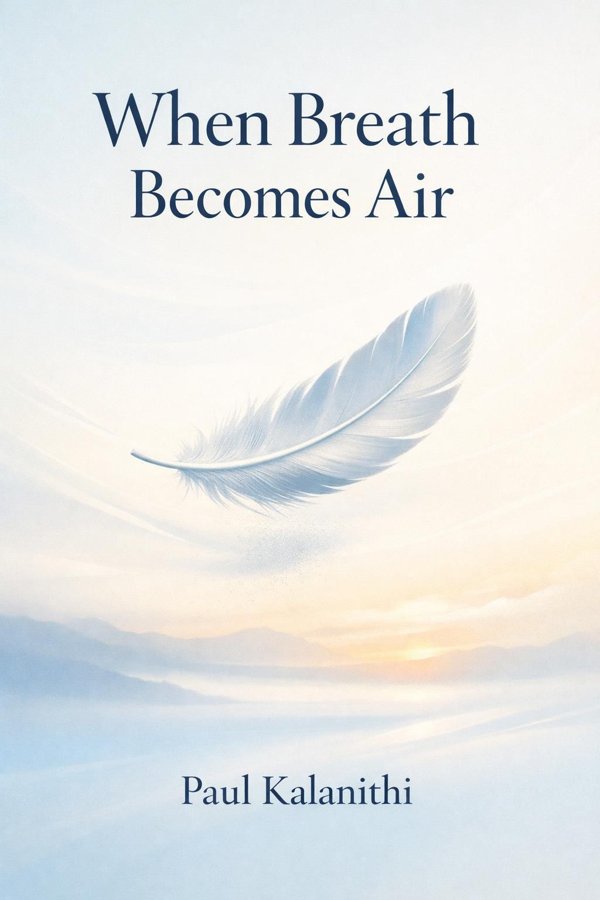
When Breath Becomes Air
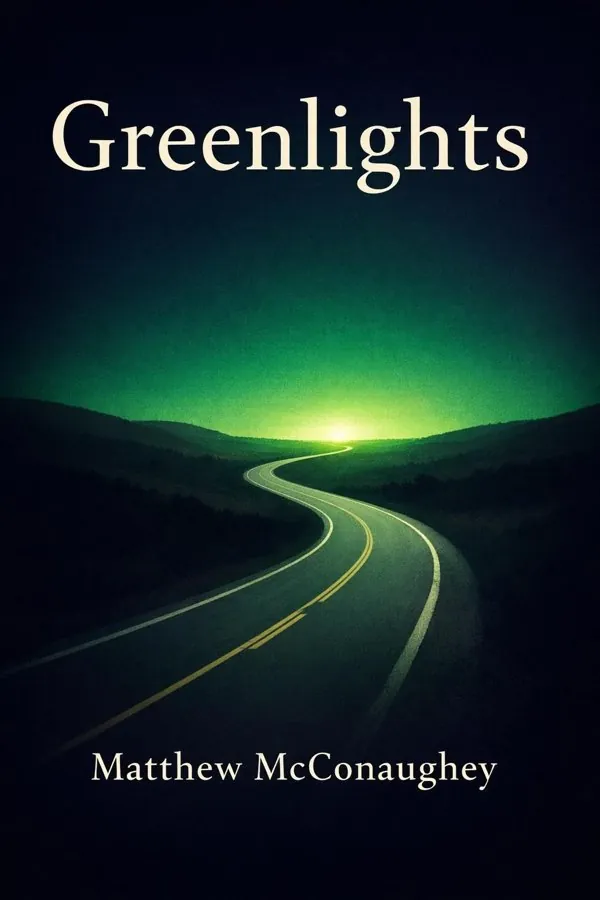
Greenlights
In-Depth Analysis
Although both When Breath Becomes Air and Greenlights are memoirs by high-achieving men reflecting on identity, ambition, and meaning, they operate on radically different wavelengths. Paul Kalanithi’s memoir is structured by terminal illness and the collapse of a future he had spent years constructing as a neurosurgeon, while Matthew McConaughey’s memoir is structured by momentum: the accumulation of experiences, risks, losses, and lessons that form his "greenlight" philosophy. One book asks how to live when time is suddenly and brutally shortened; the other asks how to move through life with courage, style, and receptivity. Read together, they illuminate two distinct uses of memoir: as existential testimony and as self-authored life manual.
The deepest difference is philosophical. Kalanithi’s central problem is not success but meaning under mortality. Before his diagnosis, he is already drawn to large questions: literature, biology, the philosophy of consciousness, and the relationship between the brain and the self. His work in neurosurgery intensifies these concerns because the brain is not just another organ; it is the seat of personality, language, memory, and agency. The memoir’s power comes from the collision between his intellectual training and the lived fact of metastatic lung cancer. In one of the book’s key reversals, he moves from guiding patients through catastrophic diagnoses to becoming the one forced to interpret scan results, treatment plans, and shrinking possibilities. This reversal gives the memoir its authority: Kalanithi knows both the professional language of illness and the vulnerable human reality beneath it.
McConaughey, by contrast, is not preoccupied with mortality in the same concentrated way. His organizing principle is attitude. Greenlights gathers journal entries and stories from Texas childhood, family chaos, travel, romance, career uncertainty, fame, and reinvention into a worldview about catching the right signals. A greenlight, in McConaughey’s vocabulary, is not merely good luck; it is often the hidden opportunity inside resistance. Red lights and yellow lights can, with time and grit, become greenlights. This gives the book a motivational architecture. Where Kalanithi strips life down to first principles because illness forces him to, McConaughey expands life outward into episodes that reveal a personal code: trust instinct, commit fully, take the hit, keep moving.
Their prose reflects these different aims. Kalanithi writes with compression and elegance. His sentences often carry literary polish without feeling ornamental, and he can move quickly from a concrete medical scene to a profound conceptual question. His reflections on the operating room, for example, are not about technical bravado but moral responsibility: what does it mean to cut into the organ that constitutes personhood? The memoir’s language remains careful because care itself is one of its subjects. Even the emotional scenes—his diagnosis, the recalibration of his career, his decision with Lucy to have a child despite uncertainty—avoid sentimentality. The restraint makes the book more affecting.
McConaughey’s style is nearly the opposite: exuberant, performative, aphoristic. Greenlights often reads like a spoken riff, full of tall-tale energy, self-mythologizing, and punchy lessons. That approach suits the material. A story about leaving law for film, navigating Hollywood typecasting, or searching for deeper authenticity benefits from a voice that feels improvisational and confident. But it also means the book sometimes substitutes slogan for analysis. Its best moments come when the swagger softens and family, loss, or career doubt enters the frame. Then the philosophy feels earned rather than branded.
In terms of emotional effect, When Breath Becomes Air is far more devastating. Kalanithi does not merely discuss death; he writes from inside its approach. Yet the memoir is not bleak in a reductive sense. It remains animated by vocation, marriage, and the possibility of meaning even when cure is impossible. His choice to return to medicine for a period after treatment, and later to become a father, are especially important because they show that meaning is not always located in longevity. Sometimes it is located in fidelity to one’s deepest commitments, however brief the remaining time. The coda by Lucy Kalanithi deepens this effect, reminding the reader that death is never experienced by one person alone; it radiates through family and memory.
Greenlights aims for a different emotional register: inspiration, amusement, confidence, and momentum. Its family stories from Texas help establish the rough-and-tender atmosphere that shaped McConaughey’s identity, and the sections on career pivots highlight the book’s recurring interest in authenticity. His decision to resist the romantic-comedy lane and seek more serious roles becomes a case study in risk and reinvention. This is one of the book’s strongest threads because it grounds the greenlight philosophy in an actual professional gamble rather than in vague positivity.
For practical value, the books again diverge. Greenlights is more immediately actionable because readers can adopt its language of reframing obstacles and listening to intuition. When Breath Becomes Air is less actionable in the conventional self-help sense, but arguably more transformative. It does not tell readers how to optimize their lives; it asks them what optimization even means if life is finite and identity fragile. Readers facing burnout, illness, or a crisis of purpose may find Kalanithi’s questions far more enduring than McConaughey’s mantras.
Ultimately, the better book depends on what kind of encounter a reader wants. Greenlights offers energy, charm, and a memorable ethos of resilient self-trust. When Breath Becomes Air offers something rarer: a lucid confrontation with mortality written by someone uniquely equipped to understand both the scientific and human dimensions of dying. McConaughey may help readers move. Kalanithi may help them see.
Side-by-Side Comparison
| Aspect | When Breath Becomes Air | Greenlights |
|---|---|---|
| Core Philosophy | When Breath Becomes Air centers on the question of how to live meaningfully under the certainty of death. Kalanithi moves from ambition and mastery toward a humbler philosophy grounded in mortality, love, and the search for what makes a life worth living. | Greenlights promotes a philosophy of recognizing life’s signals and turning apparent setbacks into opportunities. McConaughey frames meaning less as confrontation with death than as alignment with instinct, resilience, and a playful but disciplined authenticity. |
| Writing Style | Kalanithi writes with lyrical precision, drawing on literature, philosophy, and clinical observation. His prose is controlled and elegant, often moving from intimate hospital scenes to abstract reflections on consciousness and identity. | McConaughey’s style is loose, conversational, anecdotal, and performative, often sounding like an extended campfire monologue. The book mixes journal entries, slogans, stories, and self-help aphorisms in a voice designed to feel spontaneous and charismatic. |
| Practical Application | Its lessons are existential rather than procedural: readers are invited to reconsider vocation, relationships, and priorities in light of finitude. The book offers no life system, but it can profoundly alter how one thinks about time and purpose. | Greenlights is overtly practical in a pop-philosophical sense, encouraging readers to reframe obstacles, trust intuition, and cultivate a mindset of readiness. Its advice is less systematic than motivational, but many readers will find it easy to translate into everyday choices. |
| Target Audience | This memoir especially rewards readers interested in medicine, ethics, literature, grief, and serious philosophical inquiry. It also speaks powerfully to anyone facing illness, caregiving, or major questions about identity and vocation. | McConaughey’s memoir targets readers who enjoy celebrity life stories, personal reinvention narratives, and upbeat reflections on success and failure. It is particularly accessible to readers looking for inspiration without heavy intellectual density. |
| Scientific Rigor | Kalanithi’s medical training gives the memoir strong credibility when discussing disease, prognosis, neurosurgery, and the fragile boundary between brain and self. Even when philosophical, the book remains informed by firsthand clinical experience and disciplined intellectual inquiry. | Greenlights is not concerned with scientific rigor; its authority comes from lived experience, journaling, and personal philosophy. McConaughey’s conclusions are intuitive and narrative-driven rather than evidence-based or analytically rigorous. |
| Emotional Impact | The emotional force of When Breath Becomes Air is deep and cumulative, especially in the sections where Kalanithi transitions from doctor to terminal patient and later becomes a father. The memoir’s restraint makes its grief, tenderness, and dignity even more devastating. | Greenlights has warmth, humor, swagger, and moments of vulnerability, especially around family, career pivots, and personal losses. Its emotional effect is more energizing than shattering, aiming to leave readers buoyant rather than solemn. |
| Actionability | Its actionability lies in reflection: clarifying one’s values, confronting mortality honestly, and choosing relationships and work with greater intentionality. The changes it inspires are often profound but inward, not checklist-based. | McConaughey offers a more immediately usable ethos—catch greenlights, persist through red and yellow lights, and stay true to your own frequency. Readers can quickly turn these ideas into habits of mindset, risk-taking, and reframing adversity. |
| Depth of Analysis | Kalanithi probes consciousness, death, medicine, and selfhood with unusual seriousness for a memoir, shaped by his study of literature and philosophy at Stanford, Yale, and Cambridge. The result is a memoir that doubles as a meditation on what it means to be human. | Greenlights contains insight, but its analysis is episodic and intuitive rather than sustained. McConaughey tends to distill lessons into memorable formulas instead of pursuing layered philosophical examination. |
| Readability | The book is highly readable but emotionally and intellectually demanding, especially when it explores terminal illness, prognosis, and existential uncertainty. Its concise length helps, yet the material asks readers to slow down and reflect. | Greenlights is breezy, fast-moving, and easy to dip into, thanks to short sections, journal fragments, and a spoken-word cadence. Even readers who rarely pick up memoirs may find it approachable. |
| Long-term Value | When Breath Becomes Air has exceptional reread value because different stages of life change how one receives its questions about career, family, ambition, and mortality. It is the kind of memoir that can become a touchstone during crisis or transition. | Greenlights offers lasting motivational value, especially for readers who respond to confidence, reinvention, and personal maxims. Its long-term appeal depends more on whether McConaughey’s voice and philosophy resonate with the reader’s temperament. |
Key Differences
Mortality vs Momentum
When Breath Becomes Air is driven by a terminal diagnosis and the shrinking of time; every chapter is shadowed by death and what remains meaningful under that condition. Greenlights is driven by movement through life’s opportunities and obstacles, treating hardship as something to metabolize into forward motion.
Philosophical Inquiry vs Personal Mantra
Kalanithi engages questions of consciousness, selfhood, vocation, and mortality with genuine philosophical seriousness, shaped by his study at Cambridge and his medical practice. McConaughey distills experience into memorable maxims like turning red lights into greenlights, prioritizing usable wisdom over sustained analysis.
Clinical Precision vs Oral Storytelling
Kalanithi’s prose is polished, compressed, and exact, often carrying the discipline of both a physician and a literary essayist. McConaughey favors a conversational, anecdotal voice filled with swagger, humor, and performance, as if speaking directly to the reader.
Identity Through Profession vs Identity Through Reinvention
In When Breath Becomes Air, identity is deeply tied to vocation, especially Kalanithi’s calling as a neurosurgeon and what happens when illness interrupts that calling. In Greenlights, identity is more fluid and self-authored, built through experimentation, instinct, and strategic reinvention across life stages.
Transformative Reflection vs Immediate Motivation
Kalanithi’s memoir changes readers slowly by forcing them to rethink time, ambition, and relationships in the face of death. McConaughey’s memoir tends to motivate quickly, offering an upbeat framework readers can apply to setbacks, risk-taking, and personal confidence.
Universal Human Fragility vs Celebrity Narrative Energy
Although rooted in one man’s illness, When Breath Becomes Air reaches toward universal questions nearly everyone must face eventually. Greenlights, while relatable in parts, also draws much of its appeal from McConaughey’s unusual life path, fame, and larger-than-life storytelling persona.
Who Should Read Which?
The reflective reader interested in mortality, ethics, and meaning
→ When Breath Becomes Air
This reader will appreciate Kalanithi’s combination of literary craft, medical experience, and philosophical seriousness. The book does not merely tell a life story; it examines how identity and purpose change when one confronts death directly.
The motivation seeker who wants inspiration, confidence, and practical mindset shifts
→ Greenlights
McConaughey’s memoir offers an easy-to-apply philosophy built around resilience, reframing, and authenticity. Its energetic storytelling and memorable slogans make it well suited to readers looking for momentum rather than existential depth.
The busy reader who wants one memoir with the highest lasting value
→ When Breath Becomes Air
Though shorter than many memoirs, it delivers exceptional intellectual and emotional density. It is the more memorable and consequential book, especially for readers who want something they will still be thinking about years later.
Which Should You Read First?
For most readers, the best order is to read Greenlights first and When Breath Becomes Air second. Greenlights is lighter, faster, and more casual in structure, so it works well as an accessible entry point into reflective memoir. Its journal-based storytelling, humor, and confidence make it easy to move through quickly, and its recurring idea of turning obstacles into opportunities creates a broad framework for thinking about life. Then read When Breath Becomes Air when you are ready for something more concentrated and profound. Kalanithi’s memoir deepens many of the same concerns—identity, vocation, success, love, and personal truth—but under the pressure of terminal illness. Reading it after Greenlights can be especially revealing because it shows what happens when the usual language of ambition and self-fashioning is no longer enough. If you reverse the order, Greenlights may feel comparatively slight after Kalanithi’s intensity. Starting with McConaughey and moving to Kalanithi creates a progression from energetic self-narration to existential reckoning.
Want the full summary?
Get instant access to this book summary and 100K+ more with Fizz Moment.
Get Free SummaryAvailable on App Store • Free to download
Frequently Asked Questions
Is When Breath Becomes Air better than Greenlights for beginners?
It depends on what kind of beginner you mean. If you are new to memoirs and want something easy, fast, and voice-driven, Greenlights is usually the more accessible starting point because its short sections, humor, and conversational tone create very little resistance. If, however, you are a beginner looking for a memoir that shows the genre at its most profound, When Breath Becomes Air is stronger artistically and philosophically, though it is also heavier. In short: Greenlights is better for casual beginners; When Breath Becomes Air is better for readers ready for a serious, emotionally intense memoir.
Which memoir is more emotional: When Breath Becomes Air or Greenlights?
When Breath Becomes Air is substantially more emotional in a deep, lasting sense. Kalanithi writes while facing terminal cancer, and the memoir’s movement from surgeon to patient gives every reflection on work, marriage, and time a devastating intimacy. Greenlights has touching passages about family, love, and setbacks, but its dominant mood is energetic and affirming rather than tragic. Readers who want catharsis, reflection on death, and a book likely to stay with them for years will find Kalanithi’s memoir more affecting. Readers who prefer uplift, humor, and emotional buoyancy may connect more with McConaughey.
Should I read Greenlights or When Breath Becomes Air if I want life advice?
For direct life advice, Greenlights is the clearer choice. McConaughey repeatedly turns his experiences into repeatable lessons about timing, courage, reframing obstacles, and staying authentic, so readers can easily extract takeaways for work, relationships, and personal reinvention. When Breath Becomes Air offers advice of a different kind: less tactical, more existential. It helps readers think about vocation, mortality, love, and what makes life meaningful when control disappears. If you want practical mindset coaching, choose Greenlights. If you want a serious moral and philosophical recalibration, choose When Breath Becomes Air.
Is When Breath Becomes Air more intellectually serious than Greenlights?
Yes, markedly so. Kalanithi’s memoir is shaped by his background in literature, medicine, neuroscience, and philosophy, especially his interest in consciousness and the relation between brain and self. Even before his illness, he is asking large questions about death, meaning, and human identity, and his diagnosis gives those questions urgent personal stakes. Greenlights certainly contains insight, but it is built from anecdotes, journal notes, and distilled personal wisdom rather than sustained inquiry. McConaughey aims for memorable truth in a vernacular register; Kalanithi aims for intellectual and existential depth.
Which book is better for someone dealing with grief, illness, or burnout: When Breath Becomes Air vs Greenlights?
When Breath Becomes Air is generally the better choice for grief, illness, or burnout because it speaks directly to fragility, uncertainty, and the collapse of professional identity. Kalanithi understands what it means to lose the future you thought you had, and his reflections on medicine, family, and purpose can be deeply consoling without offering false optimism. Greenlights can still help readers who need encouragement and a mindset shift, especially around resilience and reframing adversity, but it does not dwell in suffering with the same honesty or precision. For companionship in pain, Kalanithi is stronger.
Which memoir has more long-term reread value, Greenlights or When Breath Becomes Air?
When Breath Becomes Air usually has greater reread value because its themes deepen as readers age and move through different life stages. A student may read it as a book about ambition, a parent as a book about legacy, and a midlife professional as a book about vocation and limitation. Greenlights can absolutely be reread for motivation, especially if McConaughey’s voice energizes you, but much of its appeal lies in its first-time charisma and momentum. Kalanithi’s memoir tends to grow with the reader; McConaughey’s tends to recharge the reader.
The Verdict
If you want the more substantial, enduring, and artistically accomplished memoir, When Breath Becomes Air is the clear winner. Paul Kalanithi combines the observational authority of a neurosurgeon with the sensitivity of a literary thinker, producing a book that speaks not only about dying but about the meaning of work, love, and identity when life becomes uncertain. It is concise, unsentimental, and devastating in the best sense: it enlarges the reader’s understanding of what it means to live deliberately. That said, Greenlights succeeds on its own terms. Matthew McConaughey delivers a charismatic, highly readable memoir full of family legends, career pivots, confidence, and reframing. It is less intellectually rigorous and less emotionally profound, but it is also more casual, energetic, and immediately usable as a source of motivation. Readers who want stories of reinvention and a voice that feels spontaneous and entertaining may prefer it. So the recommendation is simple. Choose When Breath Becomes Air if you want depth, moral seriousness, and a memoir that may genuinely alter how you think about mortality and purpose. Choose Greenlights if you want momentum, personality, and a flexible life philosophy you can carry into everyday challenges. If forced to recommend just one for most readers, especially those seeking lasting value rather than momentary inspiration, I would recommend When Breath Becomes Air.
Want to read both books?
Get AI-powered summaries of both When Breath Becomes Air and Greenlights in just 20 minutes total.