

Best Self: Be You, Only Better: Summary & Key Insights
by Mike Bayer
 10 min9 chaptersAudio available
Key Takeaways from Best Self: Be You, Only Better
The most important battle in your life may not be with other people or external circumstances, but with the two versions of yourself competing for control.
You cannot live authentically if you have never clearly defined what authenticity means for you.
People often fail to change because they can imagine what they want to escape, but not who they want to become.
Transformation does not happen when you merely celebrate your potential; it happens when you confront the patterns that repeatedly betray it.
A goal without daily structure is usually just a wish in professional clothing.
What Is Best Self: Be You, Only Better About?
Best Self: Be You, Only Better by Mike Bayer is a self_awareness book spanning 7 pages. In "Best Self: Be You, Only Better," Mike Bayer offers a practical guide to becoming more honest, grounded, and intentional in the way you live. Rather than asking readers to reinvent themselves, Bayer argues that real change comes from uncovering who they already are at their healthiest and most authentic. He frames personal growth as a daily choice between two inner forces: the Best Self, which acts from integrity and purpose, and the Anti-Self, which is driven by fear, avoidance, and self-sabotage. The book combines reflection, mindset work, and concrete exercises to help readers identify values, confront destructive patterns, improve relationships, and align habits with long-term goals. What makes the book especially useful is its accessibility: Bayer translates emotional insight into action steps readers can apply immediately. As a life coach, founder of CAST Centers, and a familiar face from "The Dr. Phil Show," Bayer brings years of experience helping people break harmful cycles and build healthier lives. The result is a compassionate, motivating roadmap for anyone ready to stop drifting and start living with greater self-awareness and intention.
This FizzRead summary covers all 9 key chapters of Best Self: Be You, Only Better in approximately 10 minutes, distilling the most important ideas, arguments, and takeaways from Mike Bayer's work. Also available as an audio summary and Key Quotes Podcast.
Best Self: Be You, Only Better
In "Best Self: Be You, Only Better," Mike Bayer offers a practical guide to becoming more honest, grounded, and intentional in the way you live. Rather than asking readers to reinvent themselves, Bayer argues that real change comes from uncovering who they already are at their healthiest and most authentic. He frames personal growth as a daily choice between two inner forces: the Best Self, which acts from integrity and purpose, and the Anti-Self, which is driven by fear, avoidance, and self-sabotage. The book combines reflection, mindset work, and concrete exercises to help readers identify values, confront destructive patterns, improve relationships, and align habits with long-term goals. What makes the book especially useful is its accessibility: Bayer translates emotional insight into action steps readers can apply immediately. As a life coach, founder of CAST Centers, and a familiar face from "The Dr. Phil Show," Bayer brings years of experience helping people break harmful cycles and build healthier lives. The result is a compassionate, motivating roadmap for anyone ready to stop drifting and start living with greater self-awareness and intention.
Who Should Read Best Self: Be You, Only Better?
This book is perfect for anyone interested in self_awareness and looking to gain actionable insights in a short read. Whether you're a student, professional, or lifelong learner, the key ideas from Best Self: Be You, Only Better by Mike Bayer will help you think differently.
- ✓Readers who enjoy self_awareness and want practical takeaways
- ✓Professionals looking to apply new ideas to their work and life
- ✓Anyone who wants the core insights of Best Self: Be You, Only Better in just 10 minutes
Want the full summary?
Get instant access to this book summary and 100K+ more with Fizz Moment.
Get Free SummaryAvailable on App Store • Free to download
Key Chapters
The most important battle in your life may not be with other people or external circumstances, but with the two versions of yourself competing for control. Mike Bayer builds the book around this central distinction: your Best Self is the version of you that is honest, responsible, compassionate, and aligned with your values, while your Anti-Self is reactive, fearful, deceptive, impulsive, and committed to short-term comfort over long-term well-being. This framework matters because it turns vague self-improvement into something concrete. Instead of asking, "Why am I like this?" you can ask, "Which self is operating right now?"
Bayer’s insight is that most people are not consistently bad or consistently wise; they shift between these two modes depending on stress, environment, relationships, and habits. For example, your Best Self may show up when you keep a promise, have a hard conversation calmly, or choose rest over numbing out. Your Anti-Self may appear when you procrastinate, lash out, lie to avoid discomfort, or abandon your priorities for immediate relief. Naming these states helps reduce shame while increasing accountability. You are not trapped by your worst patterns, but you are responsible for recognizing them.
This distinction also creates a practical decision-making tool. Before acting, you can pause and ask: Would my Best Self say this? Would my Best Self spend money this way, enter this relationship, or keep avoiding this issue? Over time, that question becomes a filter for everything from health choices to career moves. The goal is not to destroy part of yourself, but to stop letting your Anti-Self run your life. Actionable takeaway: create two lists today, one describing the traits and behaviors of your Best Self and one describing your Anti-Self, and use them as a daily mirror for your choices.
You cannot live authentically if you have never clearly defined what authenticity means for you. Bayer argues that many people move through life guided less by values than by pressure, convenience, image, or habit. They say family matters most, yet spend no meaningful time with loved ones. They say health is important, yet repeatedly neglect sleep, movement, or recovery. The result is an inner split between what they claim to believe and how they actually live. Becoming your Best Self begins with closing that gap.
The process starts with radical self-honesty. Bayer encourages readers to identify their core values, not the ones that sound impressive, but the ones they genuinely want to build their lives around. These may include integrity, creativity, sobriety, loyalty, freedom, growth, service, or stability. Once values are named, the harder question follows: Does my current life reflect them? This is where many people discover that they are living by default rather than by design.
Bayer’s approach is useful because it combines ideals with current reality. If you want a trustworthy marriage, are you emotionally present? If you value purpose, does your job support that in any way? If peace matters to you, what chaos are you repeatedly tolerating? Honest answers reveal where change is needed. This is not an exercise in self-criticism, but in alignment. You cannot build a meaningful future on false self-perception.
Practical application can be simple. Write down your top five values, then review your calendar, bank statements, habits, and recent conflicts. These reveal what is really governing your life. Actionable takeaway: choose one stated value and make one visible change this week that proves you are serious about living it.
People often fail to change because they can imagine what they want to escape, but not who they want to become. Bayer emphasizes that your Best Self must be made vivid. If your vision is vague, your actions will be inconsistent. But when you can clearly picture how your healthiest, most grounded self thinks, speaks, works, and relates to others, personal growth stops feeling abstract and starts becoming directional.
Visualization in this book is not fantasy or empty positive thinking. It is a form of identity design. Bayer pushes readers to define the details: How does your Best Self handle conflict? What boundaries does that person set? What do they do in the first hour of the day? What kind of partner, colleague, parent, or friend are they? This process matters because behavior changes more easily when tied to identity. Someone trying to "be more disciplined" may struggle, but someone acting from the identity of a reliable, self-respecting person has a stronger internal anchor.
For instance, if your Best Self is physically well and emotionally clear, that image should influence what time you go to bed, how often you say yes to draining commitments, and whether you numb stress with food, alcohol, or scrolling. If your Best Self is financially responsible, that identity should affect impulse purchases and long-term planning. The point is to embody the future self now in small ways rather than waiting to feel transformed first.
A useful exercise is to write a full profile of your Best Self as if describing a real person. Include habits, emotions, standards, language, and routines. Then compare it to your current reality without judgment. Actionable takeaway: choose one concrete behavior your Best Self would practice every day, and begin doing it immediately, even if only at a small scale.
Transformation does not happen when you merely celebrate your potential; it happens when you confront the patterns that repeatedly betray it. Bayer’s concept of the Anti-Self is especially powerful because it forces readers to examine their self-sabotaging behaviors directly. The Anti-Self is not just occasional weakness. It is the collection of excuses, addictions, evasions, distortions, and emotional habits that keep you disconnected from your values and goals.
What makes this idea effective is that Bayer does not treat destructive behavior as random. The Anti-Self often appears in predictable settings: around certain people, during stress, after rejection, in loneliness, or when responsibility feels overwhelming. Maybe your Anti-Self isolates instead of asking for help. Maybe it overcommits to seek approval, then resents everyone. Maybe it lies, procrastinates, binges, gossips, or picks fights to avoid vulnerability. Naming these patterns removes their invisibility. You can interrupt what you can identify.
Bayer also encourages compassion without denial. The goal is not to hate yourself into becoming better. Shame often strengthens the Anti-Self by pushing you further into secrecy and avoidance. Instead, the task is to take responsibility while staying connected to the possibility of change. If your Anti-Self is triggered by exhaustion, then sleep is not optional. If it emerges in toxic relationships, boundaries are not dramatic; they are necessary. If it shows up through substance use or chronic dishonesty, then support systems and serious accountability matter.
One practical approach is to map your Anti-Self: what it does, what triggers it, what lies it tells, and what consequences follow. Patterns that once felt "just how I am" begin to look more like loops that can be disrupted. Actionable takeaway: identify your top three Anti-Self triggers and create a specific replacement response for each before the next difficult moment arrives.
A goal without daily structure is usually just a wish in professional clothing. Bayer stresses that becoming your Best Self is not about dramatic declarations but about repeated behaviors that support the life you claim to want. Many people set goals based on comparison, pressure, or image, then wonder why they cannot sustain motivation. The missing piece is alignment. Goals work best when they are rooted in deeply held values and translated into realistic habits.
This means asking better questions. Instead of "What should I achieve this year?" ask "What kind of person am I trying to become, and what routines would support that identity?" If you value presence, maybe the right habit is putting your phone away during dinner. If you value health, maybe it is meal planning, daily walks, or a fixed bedtime. If you value purpose, maybe it is blocking one focused hour each morning for meaningful work. The habit may seem small, but consistency gives values a physical form.
Bayer is especially helpful in showing that self-betrayal often happens in tiny moments. You do not become disconnected overnight. You drift through skipped commitments, rationalized compromises, and repeated avoidance. The reverse is also true: you rebuild trust in yourself through small kept promises. Every completed routine becomes evidence that your Best Self is active.
This approach also guards against all-or-nothing thinking. Missing one workout, having one difficult day, or making one poor choice does not erase progress. What matters is returning quickly to your standards. Sustainable growth is less about intensity than about repeatability. Actionable takeaway: pick one meaningful goal, identify the smallest daily habit that supports it, and commit to tracking that habit for the next two weeks.
Who you become is shaped not only by your intentions but by the relationships you allow to influence you. Bayer makes clear that your Best Self cannot fully thrive in environments built on manipulation, dishonesty, chaos, or chronic disrespect. Relationships either support your growth or quietly train you away from it. This is why self-development must include a serious look at the people closest to you.
Healthy relationships encourage honesty, mutual respect, accountability, and emotional safety. They make it easier to act from your Best Self because they do not require performance or self-abandonment. In contrast, unhealthy relationships often activate the Anti-Self. Around some people, you become defensive, needy, avoidant, secretive, or drained. You might shrink to keep peace, overgive to earn approval, or lose sight of your values just to remain accepted. Bayer urges readers to notice these effects rather than dismiss them.
This does not mean cutting everyone off at the first sign of discomfort. Some relationships improve through clear communication and stronger boundaries. For example, a friend who constantly dumps crises on you may not need abandonment, but a limit. A partner who punishes honesty may require a deeper reevaluation. A workplace that rewards burnout may demand changes in how you protect your energy. Your social world should not be exempt from your commitment to authenticity.
Bayer also highlights the importance of support. Change is hard to sustain in isolation. Trusted friends, coaches, therapists, mentors, or recovery communities can help you recognize blind spots and stay aligned when old habits call you back. The people around you should make your Best Self more accessible, not more distant. Actionable takeaway: review your closest relationships and ask which ones consistently strengthen your Best Self, which ones feed your Anti-Self, and what boundary or conversation is now necessary.
The real test of growth is not whether you never fall back, but how you respond when you do. Bayer rejects the fantasy of permanent transformation achieved in a single breakthrough. Instead, he presents personal development as an ongoing practice of awareness, choice, recovery, and recommitment. This matters because many people give up on change the moment they relapse into old behavior. They treat one mistake as proof that they were never changing at all. Bayer argues the opposite: setbacks are part of the process, and resilience is built by how quickly and honestly you recover.
Resilience in this framework is not toughness without emotion. It is the ability to face pain, disappointment, or failure without abandoning your values. Maybe you lose your temper after weeks of progress. Maybe you return to avoidance after a difficult conversation. Maybe stress reignites addictive or compulsive tendencies. The crucial question becomes: Do you spiral into shame and secrecy, or do you tell the truth, seek support, and reset your course?
Bayer’s approach is practical because it links resilience to self-awareness. If you understand your warning signs, you can intervene earlier. If you know that exhaustion, isolation, and resentment are often precursors to destructive behavior, then noticing them becomes an act of protection. Recovery is faster when denial is weaker. You stop arguing with reality and start addressing it.
This mindset can be applied anywhere: in health goals, relationships, emotional regulation, and work. A resilient person is not flawless; they are responsive. They learn, adjust, and continue. Actionable takeaway: create a personal reset plan that includes your common warning signs, one person to contact, and three immediate actions you will take when you feel yourself slipping into Anti-Self behavior.
Many people confuse being liked with being authentic, but the two often pull in opposite directions. Bayer argues that living as your Best Self requires honesty, and honesty often demands boundaries. If you constantly shape-shift to meet expectations, avoid conflict, or gain approval, you may appear cooperative while becoming increasingly disconnected from yourself. Authenticity is not saying whatever you feel in the moment; it is living in a way that reflects what is true for you.
Boundaries are one of the clearest expressions of that truth. They define what you will accept, what you will protect, and how you expect to be treated. Without them, your time, energy, emotions, and priorities become vulnerable to every request, pressure, and manipulation around you. Bayer shows that weak boundaries often come from fear: fear of rejection, disappointing others, looking selfish, or losing a relationship. Yet the cost of boundarylessness is usually resentment, burnout, and self-betrayal.
Practical examples make this clear. Saying no to late-night work emails may protect your mental health. Declining a social invitation may honor your need for rest. Telling a loved one that yelling is unacceptable may restore self-respect. Admitting you are unhappy in a role, relationship, or routine may be painful, but it is the beginning of real change. Truth creates discomfort before it creates freedom.
Bayer’s message is that your Best Self does not live by pretense. That self values integrity over image. The more honest you become about your needs, limits, and values, the more stable and peaceful your life becomes. Actionable takeaway: identify one area where you are currently saying yes while inwardly feeling no, and practice expressing a clear, respectful boundary there this week.
Personal growth is rarely lost in one dramatic collapse; more often, it fades through neglect. Bayer emphasizes that becoming your Best Self is not a one-time revelation but a daily practice of checking in with yourself before life pulls you off course. Without regular reflection, old habits regain power quietly. You stop noticing misalignment until your stress, choices, and relationships once again reflect the Anti-Self.
Daily self-checkins work because they keep self-awareness active. Instead of waiting for a crisis, you ask simple but revealing questions: How am I feeling today? What is driving my behavior right now: fear or intention? Did I act in line with my values? What do I need to correct before this day ends? These questions are not meant to turn life into constant self-monitoring; they are meant to prevent unconscious drifting.
This practice can take many forms. Some people journal for ten minutes each morning. Others review their day at night and note where they acted from their Best Self and where they slipped. A weekly reset might include evaluating health, relationships, finances, work, and emotional energy. The key is consistency. Reflection gives you data. Data gives you choice.
Bayer’s larger point is that self-trust is built through attention. When you consistently notice your patterns and respond with honesty, you become less afraid of yourself. You know you can catch misalignment early and make adjustments. This makes long-term growth sustainable, not exhausting. You are no longer depending on motivation alone; you are creating a feedback loop that keeps you grounded. Actionable takeaway: start a five-minute daily check-in tonight by writing two columns labeled "Best Self" and "Anti-Self," then list the moments from your day that belonged in each.
All Chapters in Best Self: Be You, Only Better
About the Author
Mike Bayer, widely known as Coach Mike, is a life development coach, speaker, and founder of CAST Centers, a Los Angeles-based mental health and wellness organization. He has worked with a broad range of clients, including executives, performers, and individuals navigating addiction, emotional struggles, and major life transitions. Bayer became especially visible through his appearances on "The Dr. Phil Show," where he offered practical guidance on self-destructive behavior, accountability, and personal change. His coaching style combines direct honesty with empathy, making complex emotional issues feel approachable and actionable. In "Best Self," he draws on his professional experience helping people identify harmful patterns, reconnect with their values, and create healthier, more authentic lives. His work centers on the belief that lasting transformation begins with self-awareness and consistent daily choices.
Get This Summary in Your Preferred Format
Read or listen to the Best Self: Be You, Only Better summary by Mike Bayer anytime, anywhere. FizzRead offers multiple formats so you can learn on your terms — all free.
Available formats: App · Audio · PDF · EPUB — All included free with FizzRead
Download Best Self: Be You, Only Better PDF and EPUB Summary
Key Quotes from Best Self: Be You, Only Better
“The most important battle in your life may not be with other people or external circumstances, but with the two versions of yourself competing for control.”
“You cannot live authentically if you have never clearly defined what authenticity means for you.”
“People often fail to change because they can imagine what they want to escape, but not who they want to become.”
“Transformation does not happen when you merely celebrate your potential; it happens when you confront the patterns that repeatedly betray it.”
“A goal without daily structure is usually just a wish in professional clothing.”
Frequently Asked Questions about Best Self: Be You, Only Better
Best Self: Be You, Only Better by Mike Bayer is a self_awareness book that explores key ideas across 9 chapters. In "Best Self: Be You, Only Better," Mike Bayer offers a practical guide to becoming more honest, grounded, and intentional in the way you live. Rather than asking readers to reinvent themselves, Bayer argues that real change comes from uncovering who they already are at their healthiest and most authentic. He frames personal growth as a daily choice between two inner forces: the Best Self, which acts from integrity and purpose, and the Anti-Self, which is driven by fear, avoidance, and self-sabotage. The book combines reflection, mindset work, and concrete exercises to help readers identify values, confront destructive patterns, improve relationships, and align habits with long-term goals. What makes the book especially useful is its accessibility: Bayer translates emotional insight into action steps readers can apply immediately. As a life coach, founder of CAST Centers, and a familiar face from "The Dr. Phil Show," Bayer brings years of experience helping people break harmful cycles and build healthier lives. The result is a compassionate, motivating roadmap for anyone ready to stop drifting and start living with greater self-awareness and intention.
More by Mike Bayer

You Might Also Like

Rising Strong
Brené Brown
10 min
You Do You
Sarah Knight
10 min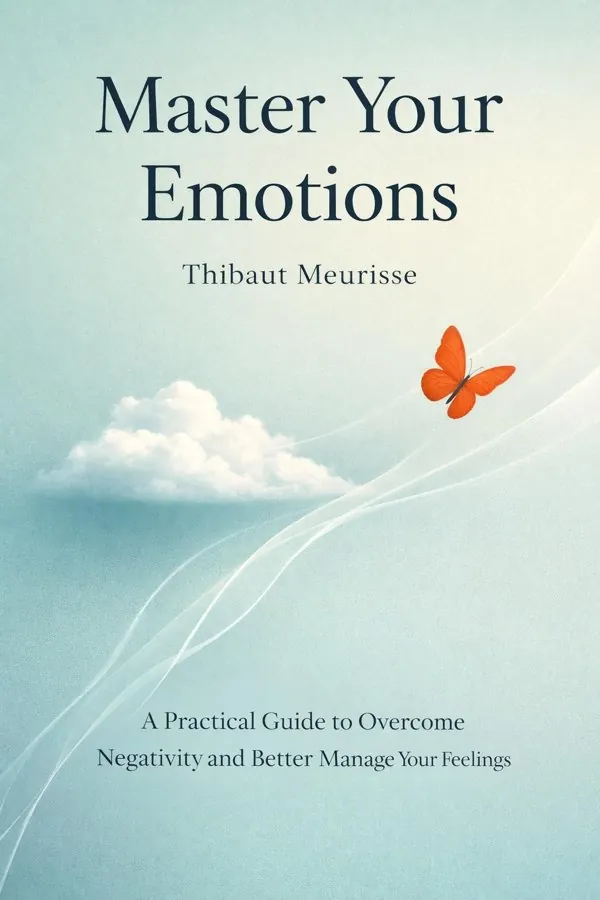
Master Your Emotions: A Practical Guide to Overcome Negativity and Better Manage Your Feelings
Thibaut Meurisse
10 min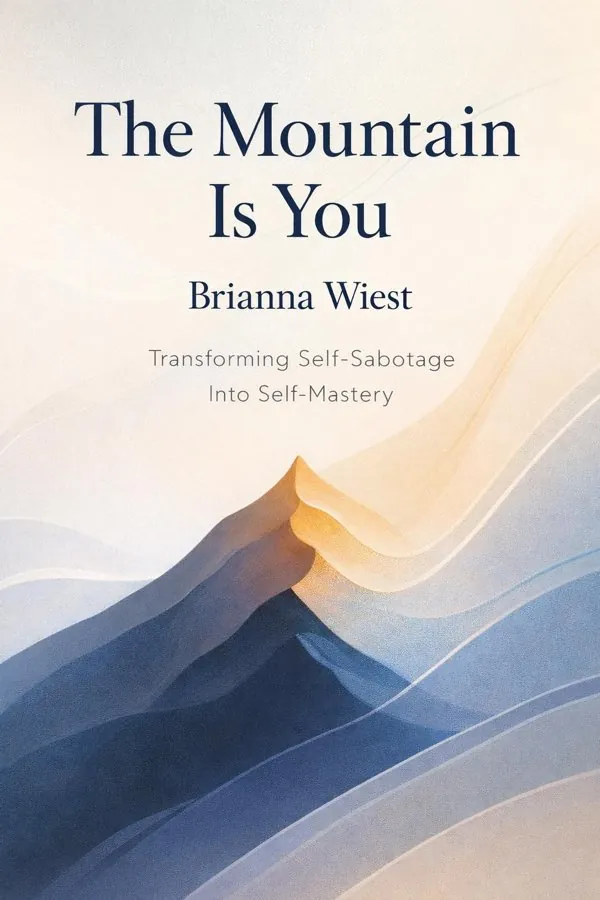
The Mountain Is You: Transforming Self-Sabotage Into Self-Mastery
Brianna Wiest
10 min
101 Essays That Will Change The Way You Think
Brianna Wiest
10 min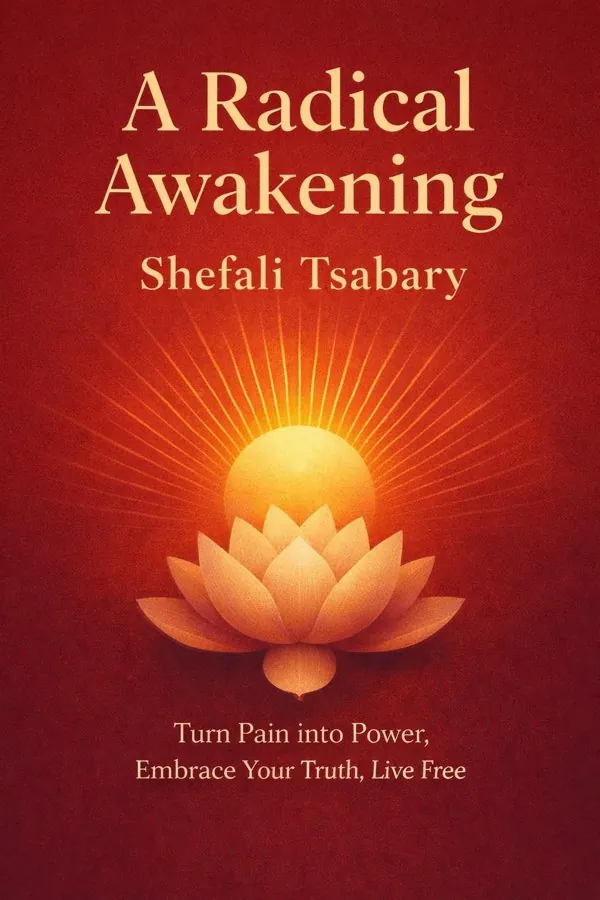
A Radical Awakening: Turn Pain into Power, Embrace Your Truth, Live Free
Shefali Tsabary
10 minFeatured In
Browse by Category
Ready to read Best Self: Be You, Only Better?
Get the full summary and 100K+ more books with Fizz Moment.