

Be the Love: Seven Ways to Unlock Your Heart and Manifest Happiness: Summary & Key Insights
 10 min9 chaptersAudio available
Key Takeaways from Be the Love: Seven Ways to Unlock Your Heart and Manifest Happiness
We often trust logic more than love, yet many of our biggest regrets come from ignoring what our heart already knew.
Harshness is often mistaken for discipline, but self-criticism rarely produces lasting growth.
What we resist tends to harden, while what we gently acknowledge can begin to heal.
A divided life drains energy faster than hard work ever could.
Many people think love means endless availability, but without boundaries, love becomes strained, resentful, and unsustainable.
What Is Be the Love: Seven Ways to Unlock Your Heart and Manifest Happiness About?
Be the Love: Seven Ways to Unlock Your Heart and Manifest Happiness by Danielle LaPorte is a self_awareness book spanning 9 pages. In Be the Love, Danielle LaPorte reframes personal growth around a radical but deeply practical idea: love is not something we wait for, earn, or receive from the outside. It is a way of being that can guide our choices, heal our wounds, and reshape the quality of our lives. Rather than offering another formula for productivity, perfection, or forced positivity, LaPorte invites readers to return to the wisdom of the heart and build a life rooted in compassion, honesty, and spiritual alignment. What makes this book resonate is its blend of emotional depth and everyday application. LaPorte explores how self-judgment blocks joy, how boundaries protect love rather than diminish it, and how inner healing changes the way we relate to work, relationships, and purpose. Her message is both soothing and demanding: if we want more peace, we must practice more truth. Known for The Desire Map and her influence in modern spirituality, LaPorte brings credibility, warmth, and hard-won insight to this book. Be the Love matters because it turns happiness from a vague aspiration into a heartfelt discipline.
This FizzRead summary covers all 9 key chapters of Be the Love: Seven Ways to Unlock Your Heart and Manifest Happiness in approximately 10 minutes, distilling the most important ideas, arguments, and takeaways from Danielle LaPorte's work. Also available as an audio summary and Key Quotes Podcast.
Be the Love: Seven Ways to Unlock Your Heart and Manifest Happiness
In Be the Love, Danielle LaPorte reframes personal growth around a radical but deeply practical idea: love is not something we wait for, earn, or receive from the outside. It is a way of being that can guide our choices, heal our wounds, and reshape the quality of our lives. Rather than offering another formula for productivity, perfection, or forced positivity, LaPorte invites readers to return to the wisdom of the heart and build a life rooted in compassion, honesty, and spiritual alignment.
What makes this book resonate is its blend of emotional depth and everyday application. LaPorte explores how self-judgment blocks joy, how boundaries protect love rather than diminish it, and how inner healing changes the way we relate to work, relationships, and purpose. Her message is both soothing and demanding: if we want more peace, we must practice more truth. Known for The Desire Map and her influence in modern spirituality, LaPorte brings credibility, warmth, and hard-won insight to this book. Be the Love matters because it turns happiness from a vague aspiration into a heartfelt discipline.
Who Should Read Be the Love: Seven Ways to Unlock Your Heart and Manifest Happiness?
This book is perfect for anyone interested in self_awareness and looking to gain actionable insights in a short read. Whether you're a student, professional, or lifelong learner, the key ideas from Be the Love: Seven Ways to Unlock Your Heart and Manifest Happiness by Danielle LaPorte will help you think differently.
- ✓Readers who enjoy self_awareness and want practical takeaways
- ✓Professionals looking to apply new ideas to their work and life
- ✓Anyone who wants the core insights of Be the Love: Seven Ways to Unlock Your Heart and Manifest Happiness in just 10 minutes
Want the full summary?
Get instant access to this book summary and 100K+ more with Fizz Moment.
Get Free SummaryAvailable on App Store • Free to download
Key Chapters
We often trust logic more than love, yet many of our biggest regrets come from ignoring what our heart already knew. One of Danielle LaPorte’s central ideas is that the heart is not merely symbolic; it is a source of intelligence, discernment, and inner guidance. In her view, modern life trains us to prioritize strategy, status, and external validation, while the heart quietly keeps pointing us toward what is true, nourishing, and aligned.
To live from the heart does not mean becoming irrational or overly sentimental. It means learning to notice the difference between fear-based thinking and deeper knowing. The mind can generate endless arguments for staying in the wrong relationship, overworking, hiding your feelings, or pursuing goals that look impressive but leave you empty. The heart, by contrast, responds with simplicity. It tends to ask more honest questions: Does this bring peace? Does this contract me or expand me? Am I acting from love or from the need to prove something?
LaPorte encourages readers to reclaim this guidance system through quiet reflection, prayer, journaling, and body awareness. For example, before saying yes to a new commitment, you might pause and notice whether your body softens or tightens. Before sending a reactive message, you might ask what a loving response would sound like instead. Over time, these small check-ins build trust in your inner life.
The practical lesson is clear: before making important choices, pause long enough to hear your heart’s answer. Then act from that place, even if it asks for more honesty, more patience, or a change in direction.
Harshness is often mistaken for discipline, but self-criticism rarely produces lasting growth. LaPorte argues that self-compassion is not indulgence or passivity; it is one of the most courageous and healing practices available to us. Many people believe they stay accountable by being hard on themselves, yet that inner hostility usually creates shame, exhaustion, and spiritual disconnection. Healing begins when we stop treating ourselves like a problem to be fixed.
Self-compassion means meeting your own pain with tenderness rather than judgment. It is the decision to respond to your mistakes, disappointments, and imperfections the way you would respond to someone you deeply love. That does not remove responsibility. Instead, it creates the emotional safety needed for honest change. If every setback becomes proof that you are inadequate, you will either collapse or perform. But if a setback becomes an invitation to learn, repair, and begin again, you remain open and resilient.
In daily life, this can look very practical. After missing a goal, instead of saying, “I always fail,” you might ask, “What support did I need that I didn’t give myself?” After a conflict, instead of spiraling into self-blame, you might acknowledge your part, apologize where necessary, and still affirm your inherent worth. Rest, nutrition, therapy, boundaries, and realistic expectations can all be forms of self-compassion.
LaPorte’s deeper point is that we cannot offer authentic love to others while withholding it from ourselves. Compassion inward expands compassion outward. The actionable takeaway: replace one habitual self-criticism each day with a kinder, more truthful statement, and notice how that changes your energy, choices, and ability to heal.
What we resist tends to harden, while what we gently acknowledge can begin to heal. LaPorte emphasizes that acceptance is not resignation; it is the honest recognition of what is real right now. Many people delay healing because they are busy arguing with their experience. They do not want to admit they are grieving, jealous, lonely, exhausted, or afraid. But emotional truth does not disappear because it is ignored. It waits beneath the surface and shapes our behavior in quiet, powerful ways.
Radical acceptance means turning toward your inner life without denial or drama. It asks you to say, “This is what I am feeling. This is where I am. This is what hurts.” That clarity creates movement. When you stop spending energy pretending, suppressing, or spiritualizing pain, you can finally care for it. Acceptance allows grief to become grief instead of self-punishment, anger to become information instead of destruction, and disappointment to become redirection instead of identity.
This idea can be applied in relationships, work, and personal healing. If a friendship has become one-sided, acceptance allows you to face it rather than make endless excuses. If your body is tired, acceptance may mean resting instead of forcing productivity. If old wounds are shaping your present reactions, acceptance may guide you toward counseling, prayer, or deeper self-inquiry rather than pretending you are “over it.”
LaPorte invites readers to see acceptance as an act of love. We do not heal by becoming someone else; we heal by bringing honesty and compassion to who we are now. The takeaway is simple but powerful: name one truth you have been avoiding, then respond to it with care instead of resistance.
A divided life drains energy faster than hard work ever could. LaPorte teaches that authenticity is not about performing individuality or saying whatever comes to mind; it is about living in a way that is coherent with your deepest values. When your words, choices, relationships, and ambitions are disconnected from what your heart knows to be true, you experience friction. That friction often shows up as anxiety, resentment, numbness, or chronic fatigue.
Inner alignment happens when the life you are living begins to match the truth you carry inside. This may require difficult honesty. Perhaps you have built success around approval rather than purpose. Perhaps you stay agreeable to avoid conflict, even when something feels wrong. Perhaps you keep chasing versions of happiness that belong to your culture, family, or peers rather than to your soul. Authenticity asks you to notice where you are betraying yourself in subtle ways and to make small, faithful corrections.
In practice, authenticity might mean declining opportunities that impress others but deplete you. It might mean telling a friend what you actually need instead of smiling through disappointment. It might mean changing your schedule so your spiritual life is not constantly postponed. Alignment is not always dramatic. Often it emerges through ordinary acts of truth-telling repeated over time.
LaPorte also reminds readers that authenticity can unsettle people who benefited from our pretending. Still, the cost of inauthenticity is too high. Peace grows when we stop negotiating with our own integrity. The actionable takeaway: choose one area of your life where your outer behavior does not match your inner truth, and make one concrete adjustment this week to close that gap.
Many people think love means endless availability, but without boundaries, love becomes strained, resentful, and unsustainable. LaPorte challenges the idea that being spiritual or compassionate requires self-erasure. In her framework, boundaries are not walls against connection; they are structures that protect energy, dignity, and emotional clarity. They make genuine generosity possible because they prevent depletion and quiet forms of self-betrayal.
A healthy boundary is a loving declaration of what supports your well-being and what does not. It may involve time, attention, communication, physical space, or emotional labor. Without boundaries, we often overgive, overexplain, tolerate disrespect, or carry problems that are not ours to solve. This can look noble from the outside, but internally it breeds fatigue and bitterness. Love without self-respect is not sustainable.
Practical boundaries can be simple. You may stop replying to work messages late at night. You may decide not to engage in conversations that become abusive or manipulative. You may limit time with people who repeatedly drain you. You may say, “I care about you, but I can’t do that,” instead of agreeing out of guilt. The tone matters: boundaries do not need aggression to be effective. Calm clarity is often enough.
LaPorte’s insight is that protecting your energy is part of protecting your capacity to love. When your nervous system is less overloaded, your presence becomes cleaner and more sincere. Boundaries are not a retreat from service; they are what keep service honest. The actionable takeaway: identify one recurring situation that leaves you resentful, then define and communicate a boundary that preserves your peace without apology.
One of the paradoxes of happiness is that it expands when we stop grasping at it for ourselves alone. LaPorte highlights service as a natural expression of an open heart. Not performative helping, not rescuing, and not self-sacrifice for approval, but sincere contribution rooted in love. When we remember that our lives are intertwined, generosity stops feeling like an obligation and becomes a source of meaning.
Service can be grand, but it is often intimate and ordinary. Listening without interrupting is service. Offering encouragement to someone in doubt is service. Creating beauty, doing ethical work, mentoring, donating, cooking, volunteering, and showing up reliably for people all count. The deeper point is not the scale of the act but the consciousness behind it. Service is love made visible.
This idea also corrects a common misunderstanding in personal development. Growth is not only about becoming calmer, wiser, or more fulfilled in private. It is also about how your healing changes the quality of your presence in the world. A person who has done inner work may become less reactive, more forgiving, and more attentive. That alone is a form of service. The peace you cultivate internally affects your family, colleagues, and community.
At the same time, LaPorte does not romanticize overgiving. Service that disconnects you from your own needs becomes martyrdom. Healthy service emerges from fullness, not compulsion. It asks, “What can I offer from sincerity?” rather than “How can I prove I matter?” The actionable takeaway: choose one concrete act of service this week that aligns with your strengths and values, and offer it quietly, without needing recognition.
Love may be our essence, but it still requires practice to remain accessible under pressure. LaPorte treats spirituality not as a performance of beliefs but as a disciplined return to presence. In a distracted, overstimulated world, the heart easily gets buried beneath urgency, comparison, and noise. Spiritual practice helps clear that accumulation so we can hear ourselves again and remember what matters.
Importantly, she does not insist on a rigid formula. Spiritual practice can include prayer, meditation, contemplative reading, breathwork, journaling, time in nature, silence, ritual, movement, or gratitude. What matters is consistency and sincerity. A true practice creates space where you can witness your patterns instead of being run by them. It softens reactivity, strengthens intuition, and increases the likelihood that you will respond from love rather than from fear.
For example, beginning the day with ten quiet minutes can change the emotional tone of everything that follows. A brief evening reflection can help you release resentment instead of carrying it into sleep. Lighting a candle before journaling can become a signal to return to yourself. Walking outdoors without your phone can reconnect you to perspective. These are not dramatic gestures, but repeated daily, they create spiritual stamina.
LaPorte’s emphasis is that happiness is not merely a mood to manifest; it is a state supported by habits of connection. When life becomes painful or chaotic, practice is what helps you remain anchored. The actionable takeaway: establish one simple spiritual ritual you can keep for seven days in a row, and treat it as a non-negotiable meeting with your deepest self.
Much of modern culture treats happiness like a reward for achievement, beauty, control, or perfect timing. LaPorte offers a more durable view: happiness is not something we chase from the outside, but something we allow through the way we orient our heart. This does not mean difficult emotions disappear. It means joy becomes less dependent on conditions and more rooted in loving consciousness.
Manifesting happiness, in LaPorte’s sense, is not about bypassing pain or pretending to feel good all the time. It is about becoming a person who relates to life with compassion, trust, and spiritual clarity. The quality of your inner state influences what you notice, what you attract, and how you respond. A fearful heart interprets everything as threat or lack. A loving heart can still recognize hardship, but it looks for truth, lesson, beauty, and connection within it.
This perspective changes everyday behavior. Instead of obsessing over outcomes, you focus on the energy you bring to the process. Instead of asking only, “How do I get what I want?” you ask, “Who am I becoming while I pursue it?” Gratitude lists, loving self-talk, intentional environments, forgiveness practices, and value-based decisions all become tools for shaping your emotional reality.
LaPorte is not promising a magically problem-free life. She is showing that happiness grows where there is integrity, self-respect, spiritual devotion, and generosity. The emotional atmosphere you cultivate matters. The actionable takeaway: choose one daily habit that strengthens a loving state of mind, such as gratitude, prayer, or conscious breathing, and let that become your foundation instead of waiting for circumstances to improve.
Insight can feel powerful in the moment, but without integration, even profound truths evaporate under ordinary stress. LaPorte closes the gap between inspiration and embodiment by emphasizing integration: the process of turning spiritual understanding into lived reality. It is one thing to agree that love matters, boundaries are healthy, and self-compassion heals. It is another thing to practice those truths when someone disappoints you, when your plans fail, or when old insecurities return.
Integration requires repetition, humility, and patience. Growth rarely happens in a straight line. You may learn to set boundaries and still occasionally overextend yourself. You may embrace self-love and still hear the voice of self-judgment. You may feel deeply connected in meditation and still become reactive in traffic or conflict. This does not mean the work is failing. It means the work is becoming real.
A practical approach to integration involves reflection and review. At the end of the day, you might ask: Where did I act from love? Where did I abandon myself? What would repair look like? In relationships, integration may mean apologizing faster, listening more fully, and noticing your triggers before they escalate. In work, it may mean aligning your calendar with your values rather than your anxieties. In health, it may mean honoring your energy before burnout forces the issue.
LaPorte’s wisdom here is gentle but firm: transformation is measured less by what inspires you and more by what you consistently practice. The actionable takeaway: choose one principle from the book that matters most to you, and create a specific weekly habit that helps you embody it until it becomes part of your character.
All Chapters in Be the Love: Seven Ways to Unlock Your Heart and Manifest Happiness
About the Author
Danielle LaPorte is a Canadian author, speaker, and entrepreneur whose work focuses on personal development, emotional truth, and modern spirituality. She became widely known through her bestselling book The Desire Map, which challenged conventional goal-setting by asking people to identify how they want to feel rather than simply what they want to achieve. Her writing combines soulful reflection with practical self-inquiry, often centering on compassion, integrity, relationships, and conscious living. LaPorte has built a loyal global audience through books, courses, and talks that encourage a more heart-led approach to growth. She was named to Oprah Winfrey’s SuperSoul 100, a list honoring influential leaders in personal transformation. Her work continues to resonate with readers seeking a wiser, kinder, and more spiritually grounded way to live.
Get This Summary in Your Preferred Format
Read or listen to the Be the Love: Seven Ways to Unlock Your Heart and Manifest Happiness summary by Danielle LaPorte anytime, anywhere. FizzRead offers multiple formats so you can learn on your terms — all free.
Available formats: App · Audio · PDF · EPUB — All included free with FizzRead
Download Be the Love: Seven Ways to Unlock Your Heart and Manifest Happiness PDF and EPUB Summary
Key Quotes from Be the Love: Seven Ways to Unlock Your Heart and Manifest Happiness
“We often trust logic more than love, yet many of our biggest regrets come from ignoring what our heart already knew.”
“Harshness is often mistaken for discipline, but self-criticism rarely produces lasting growth.”
“What we resist tends to harden, while what we gently acknowledge can begin to heal.”
“A divided life drains energy faster than hard work ever could.”
“Many people think love means endless availability, but without boundaries, love becomes strained, resentful, and unsustainable.”
Frequently Asked Questions about Be the Love: Seven Ways to Unlock Your Heart and Manifest Happiness
Be the Love: Seven Ways to Unlock Your Heart and Manifest Happiness by Danielle LaPorte is a self_awareness book that explores key ideas across 9 chapters. In Be the Love, Danielle LaPorte reframes personal growth around a radical but deeply practical idea: love is not something we wait for, earn, or receive from the outside. It is a way of being that can guide our choices, heal our wounds, and reshape the quality of our lives. Rather than offering another formula for productivity, perfection, or forced positivity, LaPorte invites readers to return to the wisdom of the heart and build a life rooted in compassion, honesty, and spiritual alignment. What makes this book resonate is its blend of emotional depth and everyday application. LaPorte explores how self-judgment blocks joy, how boundaries protect love rather than diminish it, and how inner healing changes the way we relate to work, relationships, and purpose. Her message is both soothing and demanding: if we want more peace, we must practice more truth. Known for The Desire Map and her influence in modern spirituality, LaPorte brings credibility, warmth, and hard-won insight to this book. Be the Love matters because it turns happiness from a vague aspiration into a heartfelt discipline.
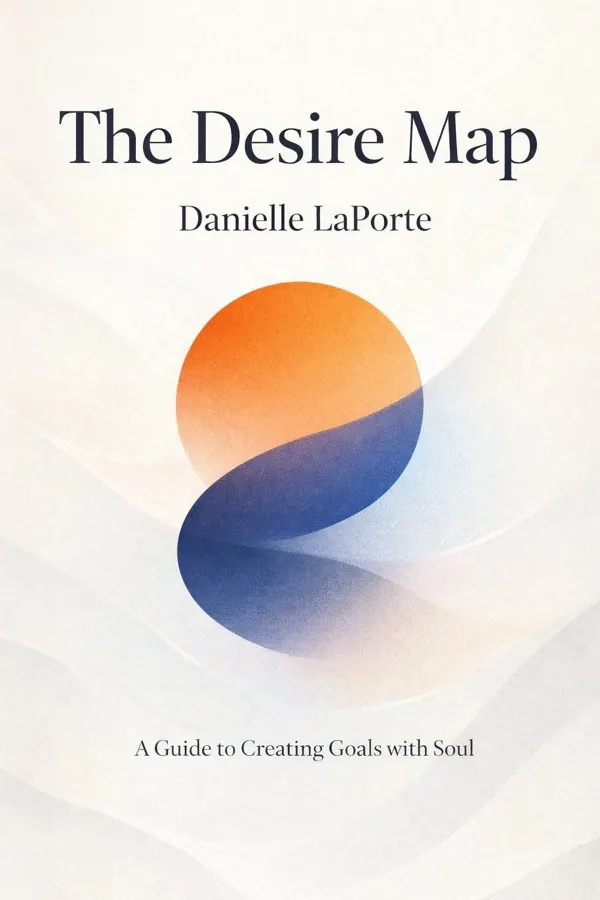
More by Danielle LaPorte
You Might Also Like

Rising Strong
Brené Brown
10 min
You Do You
Sarah Knight
10 min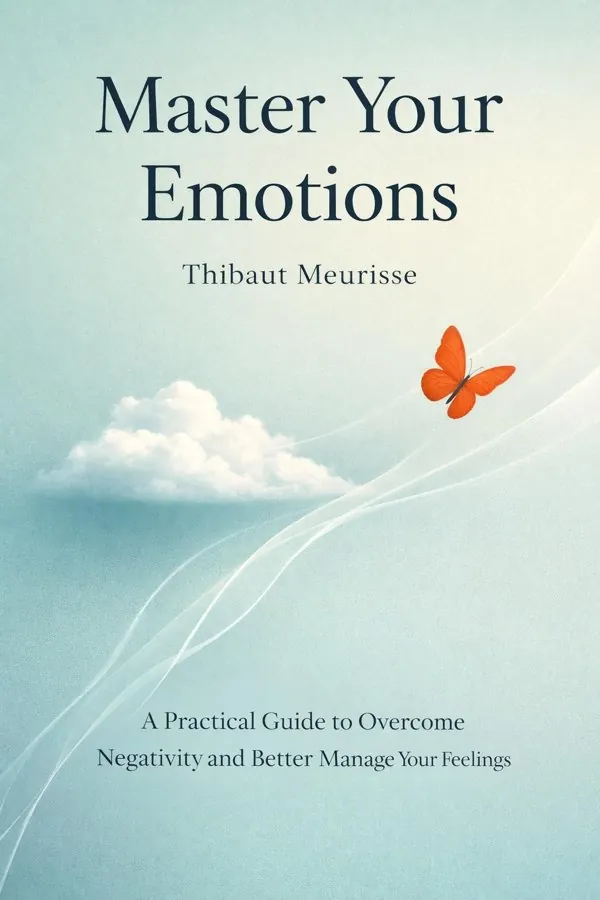
Master Your Emotions: A Practical Guide to Overcome Negativity and Better Manage Your Feelings
Thibaut Meurisse
10 min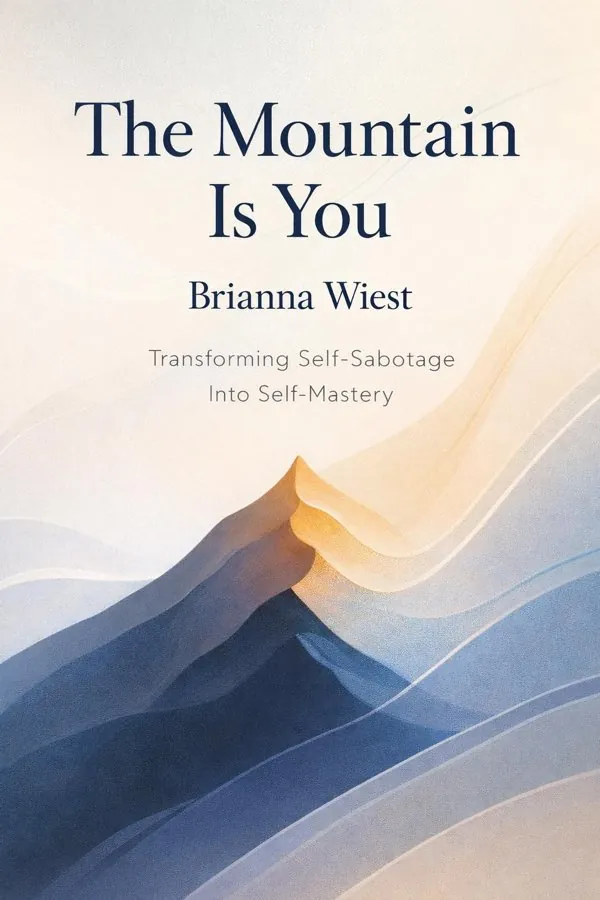
The Mountain Is You: Transforming Self-Sabotage Into Self-Mastery
Brianna Wiest
10 min
101 Essays That Will Change The Way You Think
Brianna Wiest
10 min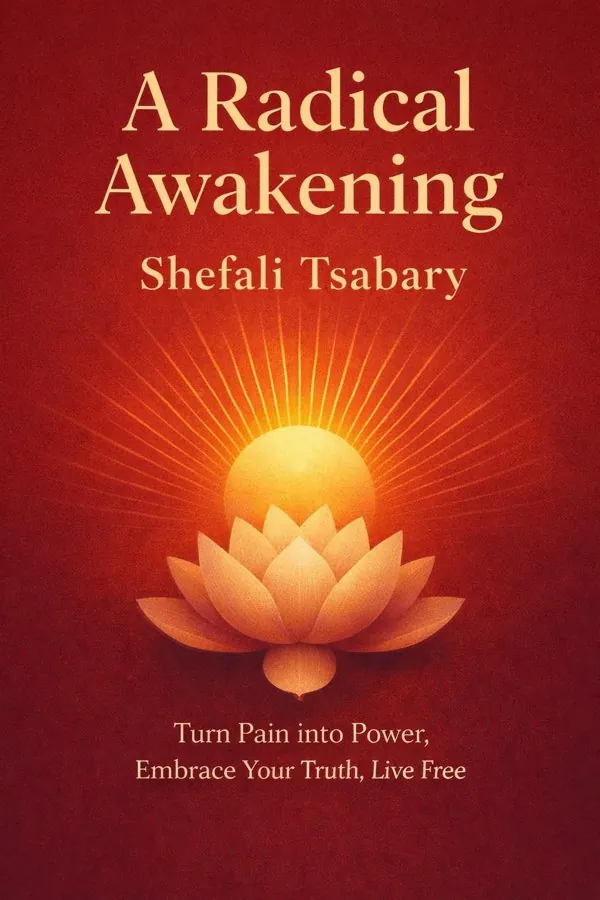
A Radical Awakening: Turn Pain into Power, Embrace Your Truth, Live Free
Shefali Tsabary
10 minFeatured In
Browse by Category
Ready to read Be the Love: Seven Ways to Unlock Your Heart and Manifest Happiness?
Get the full summary and 100K+ more books with Fizz Moment.