
Victor Hugo Books
Victor Hugo (1802–1885) was a French poet, novelist, playwright, and one of the most important figures of French Romanticism. His works include The Hunchback of Notre-Dame and Les Misérables, both of which have had lasting influence on world literature.
Known for: Les Misérables, The Hunchback of Notre-Dame
Books by Victor Hugo
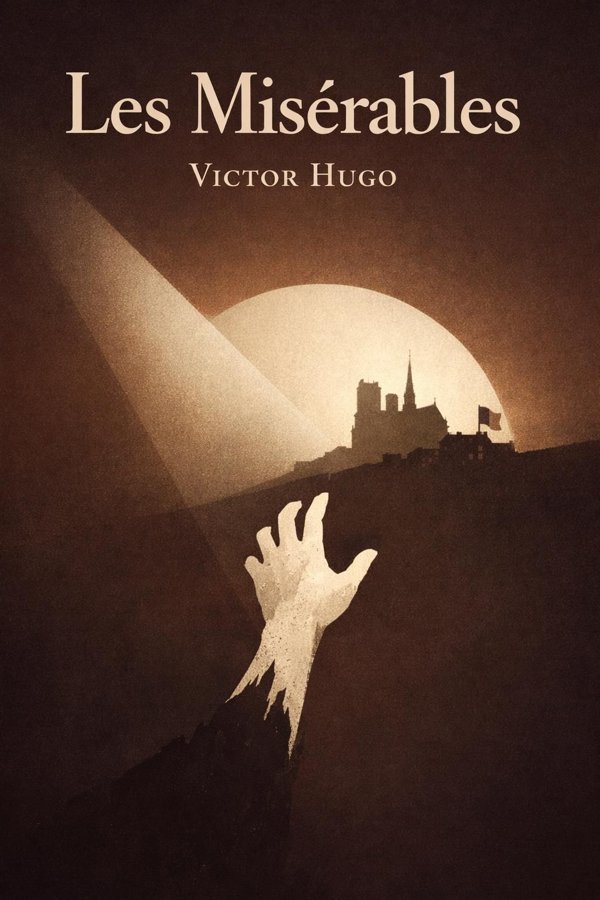
Les Misérables
Few novels attempt to hold an entire society inside their pages; Les Misérables does exactly that. First published in 1862, Victor Hugo’s masterpiece is at once a sweeping historical epic, a moral dra...
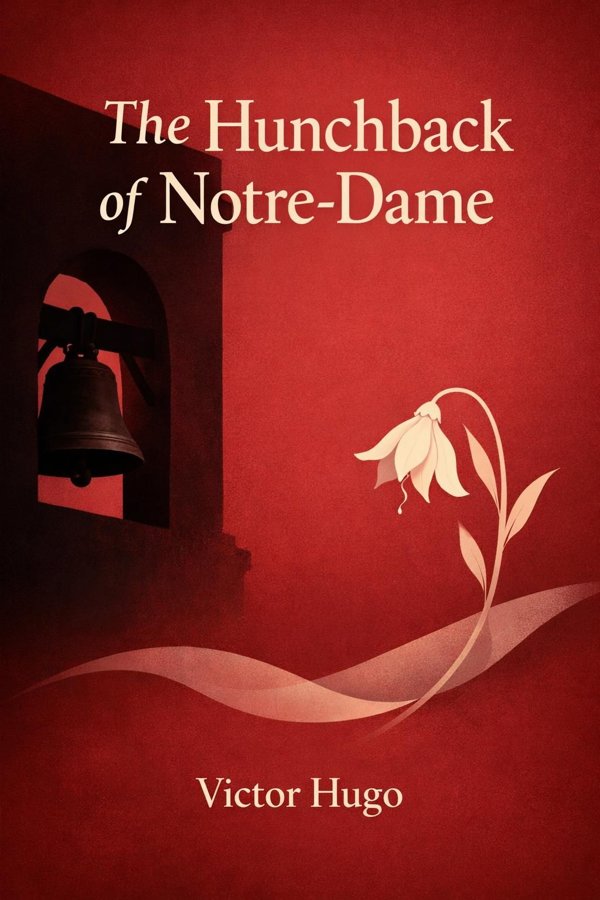
The Hunchback of Notre-Dame
A classic historical novel first published in 1831, 'The Hunchback of Notre-Dame' tells the tragic story of Quasimodo, the deformed bell ringer of the Notre-Dame Cathedral, and his unrequited love for...
Key Insights from Victor Hugo
Mercy Can Rewrite a Human Life
A single act of compassion can do what years of punishment never could. Les Misérables begins with Jean Valjean as a hardened ex-convict, imprisoned for stealing bread and brutalized by a system that turns survival into crime. When he is released, society continues his sentence in another form: no o...
From Les Misérables
The Law and Justice Are Not Identical
When rules become more important than people, justice can turn into cruelty. No character embodies this tension more sharply than Inspector Javert. He is not a cartoon villain; he is disciplined, sincere, and devoted to order. But Hugo uses him to expose a dangerous moral error: the belief that lega...
From Les Misérables
Poverty Is a Social, Not Personal, Failure
A society reveals its moral condition by what happens to its poorest members. Hugo’s portrait of Fantine is one of the novel’s most devastating demonstrations of that truth. She is not ruined by one dramatic sin, but by a chain of ordinary social failures: precarious work, gendered judgment, abandon...
From Les Misérables
Love Becomes Real Through Responsibility
Love is most convincing when it takes the form of duty freely embraced. Jean Valjean’s devotion to Cosette is one of the emotional centers of Les Misérables, and it shows how redemption matures through care. At first, Valjean’s moral rebirth is inward: he struggles with his conscience, his past, and...
From Les Misérables
Conscience Is Stronger Than Reinvention
You can change your name, status, and surroundings, but you cannot escape the inner court of conscience. After rebuilding his life as Monsieur Madeleine, a respected mayor and industrialist, Jean Valjean appears to have outrun his past. Yet when another man is mistaken for him and faces conviction, ...
From Les Misérables
History Shapes Private Lives
No life unfolds outside history. One of Hugo’s great achievements is his refusal to separate personal drama from political upheaval. The lives of Valjean, Marius, Gavroche, and countless others are shaped by revolution, class conflict, failed governments, and the hopes that linger after national dis...
From Les Misérables
About Victor Hugo
Victor Hugo (1802–1885) was a French poet, novelist, playwright, and one of the most important figures of French Romanticism. His works include The Hunchback of Notre-Dame and Les Misérables, both of which have had lasting influence on world literature. Hugo was also a political activist and humanit...
Read more
Victor Hugo (1802–1885) was a French poet, novelist, playwright, and one of the most important figures of French Romanticism. His works include The Hunchback of Notre-Dame and Les Misérables, both of which have had lasting influence on world literature. Hugo was also a political activist and humanit...
Victor Hugo (1802–1885) was a French poet, novelist, playwright, and one of the most important figures of French Romanticism. His works include The Hunchback of Notre-Dame and Les Misérables, both of which have had lasting influence on world literature. Hugo was also a political activist and humanitarian, advocating for social justice and human rights throughout his life.





Frequently Asked Questions
Victor Hugo (1802–1885) was a French poet, novelist, playwright, and one of the most important figures of French Romanticism. His works include The Hunchback of Notre-Dame and Les Misérables, both of which have had lasting influence on world literature.
Read Victor Hugo's books in 15 minutes
Get AI-powered summaries with key insights from 2 books by Victor Hugo.