
Tim Blanning Books
Timothy Charles William Blanning is a British historian and Professor Emeritus of Modern European History at the University of Cambridge. He is known for his works on eighteenth- and nineteenth-century Europe, including studies of culture, politics, and the Enlightenment.
Known for: The Pursuit of Glory: Europe 1648–1815
Books by Tim Blanning
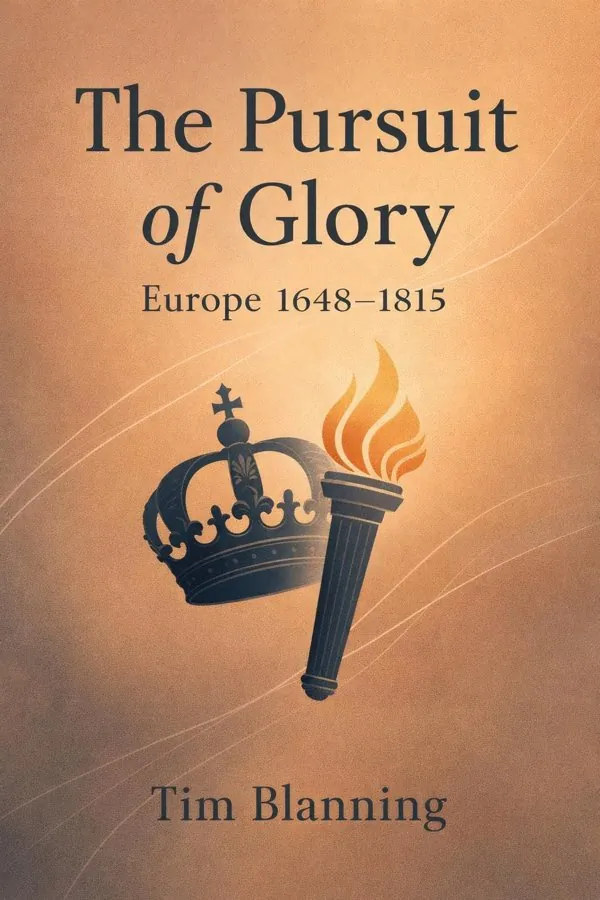
The Pursuit of Glory: Europe 1648–1815
Tim Blanning’s The Pursuit of Glory: Europe 1648–1815 is a sweeping, deeply intelligent history of a continent remade by war, commerce, culture, and ideas. Beginning in the shattered aftermath of the Thirty Years’ War and ending with Napoleon’s defeat at Waterloo and the Congress of Vienna, Blanning shows how Europe moved from dynastic rivalry and religious conflict toward a more modern world of centralized states, expanding markets, public opinion, and revolutionary politics. What makes this book especially valuable is its breadth: it is not only a political history of kings, ministers, and armies, but also a vivid account of artists, philosophers, merchants, peasants, city dwellers, and believers whose lives reveal how large historical changes were actually experienced. Blanning, one of Britain’s leading historians of early modern and modern Europe, writes with authority and range, connecting high politics to everyday life and intellectual movements to social transformation. The result is a masterful portrait of Europe in motion, explaining how the continent’s pursuit of power, prestige, prosperity, and cultural greatness shaped the modern age.
Read SummaryKey Insights from Tim Blanning
State Power Rose from Ruin
Great states are often born not in peace, but in crisis. Blanning begins with a Europe devastated by the Thirty Years’ War, where rulers learned that survival required stronger administration, more reliable taxation, and better control over armed force. The old medieval patchwork of overlapping loya...
From The Pursuit of Glory: Europe 1648–1815
Commerce Rewired the European World
Money can transform society as profoundly as armies can. In Blanning’s account, the seventeenth and eighteenth centuries saw Europe pulled into a widening web of commerce that linked ports, plantations, manufacturing regions, financial centers, and colonial outposts. Trade in sugar, tobacco, textile...
From The Pursuit of Glory: Europe 1648–1815
Privilege Endured Amid Social Change
Revolutions in thought do not automatically abolish inequalities in life. One of Blanning’s most important insights is that Europe between 1648 and 1815 remained fundamentally hierarchical even as it changed dramatically. Aristocrats retained prestige, land, offices, tax exemptions, and social autho...
From The Pursuit of Glory: Europe 1648–1815
Cities, Population, and Daily Life Changed
History is not only made in parliaments and palaces; it is also made in streets, workshops, homes, and fields. Blanning gives sustained attention to demographic growth and urbanization, showing how Europe’s transformation was experienced in ordinary life. Between the late seventeenth and late eighte...
From The Pursuit of Glory: Europe 1648–1815
The Enlightenment Recast Human Possibility
Ideas become revolutionary when they change what people believe is reasonable. Blanning presents the Enlightenment not as a single doctrine, but as a broad and often contested intellectual movement that encouraged Europeans to question inherited authority and to trust reason, criticism, and inquiry....
From The Pursuit of Glory: Europe 1648–1815
Culture Was a Form of Power
Art does not merely decorate political life; it helps organize it. One of Blanning’s distinctive contributions is to treat culture as central rather than secondary. Music, architecture, painting, theater, literature, ceremony, and patronage were not luxuries floating above history. They were instrum...
From The Pursuit of Glory: Europe 1648–1815
About Tim Blanning
Timothy Charles William Blanning is a British historian and Professor Emeritus of Modern European History at the University of Cambridge. He is known for his works on eighteenth- and nineteenth-century Europe, including studies of culture, politics, and the Enlightenment.


Frequently Asked Questions
Timothy Charles William Blanning is a British historian and Professor Emeritus of Modern European History at the University of Cambridge. He is known for his works on eighteenth- and nineteenth-century Europe, including studies of culture, politics, and the Enlightenment.
Read Tim Blanning's books in 15 minutes
Get AI-powered summaries with key insights from 1 book by Tim Blanning.