
Tali Sharot Books
Tali Sharot is a cognitive neuroscientist and professor at University College London. Her research focuses on decision-making, emotion, and the neuroscience of optimism and influence.
Known for: The Influential Mind: What the Brain Reveals About Our Power to Change Others, The Optimism Bias: A Tour of the Irrationally Positive Brain
Books by Tali Sharot
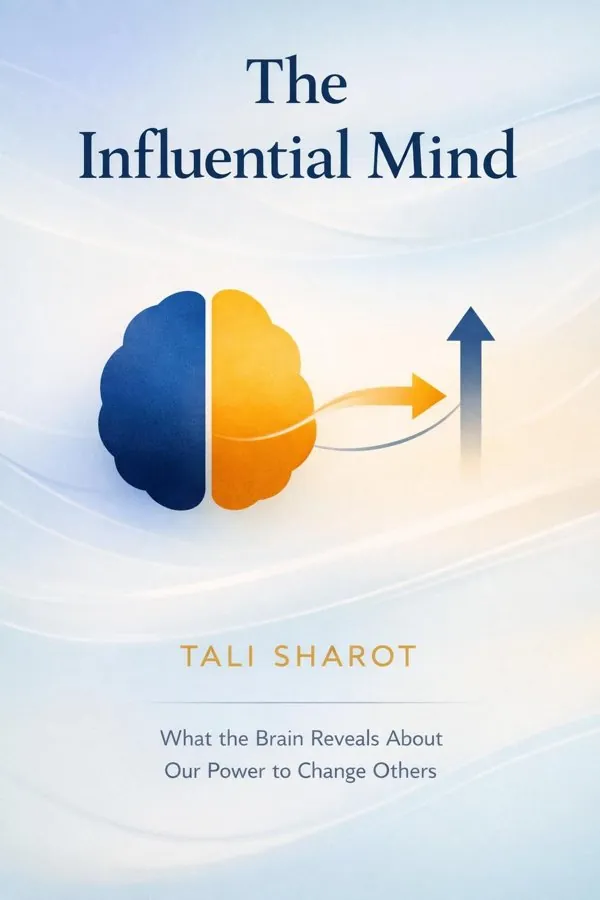
The Influential Mind: What the Brain Reveals About Our Power to Change Others
Why do smart, well-intentioned people so often fail to change other people’s minds? We present evidence, cite facts, and make logical arguments—yet our listener stays unconvinced. In The Influential M...
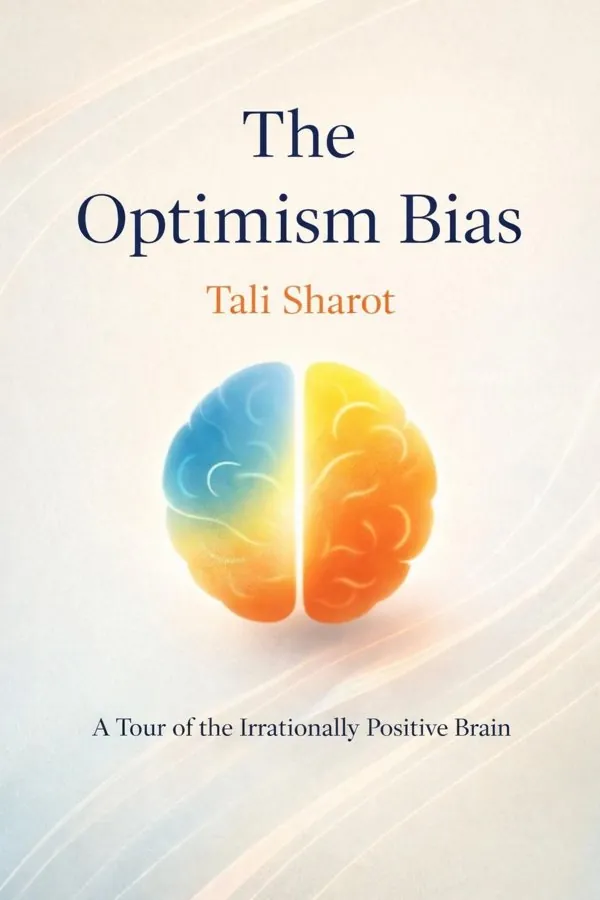
The Optimism Bias: A Tour of the Irrationally Positive Brain
In this book, neuroscientist Tali Sharot explores the biological and psychological foundations of optimism. Drawing on her research in cognitive neuroscience, she explains how the brain generates hope...
Key Insights from Tali Sharot
Facts Alone Rarely Change Minds
One of the most uncomfortable truths about influence is that information is not the same as persuasion. People often assume that if others simply had the right facts, they would update their beliefs and behavior. But Sharot shows that the brain does not treat all information equally. We are more rec...
From The Influential Mind: What the Brain Reveals About Our Power to Change Others
Emotion Is the Engine of Influence
People like to imagine they make decisions with reason and then sprinkle in feeling afterward. The brain usually works the other way around. Emotion directs attention, strengthens memory, and signals what matters. Sharot explains that when a message triggers feeling—hope, curiosity, empathy, concern...
From The Influential Mind: What the Brain Reveals About Our Power to Change Others
Optimism Shapes What People Believe
A surprising source of influence is the brain’s tendency toward optimism. Sharot’s earlier research on optimism informs this book’s central insight: people are often more willing to absorb information that suggests a better future than information that predicts pain, loss, or failure. The brain does...
From The Influential Mind: What the Brain Reveals About Our Power to Change Others
Social Proof Quietly Directs Behavior
Much of what we think, choose, and do is shaped by what we see other people doing. Sharot emphasizes that humans are deeply social learners. The brain uses the group as a shortcut for deciding what is normal, safe, desirable, or true. This makes social influence extraordinarily powerful, often more ...
From The Influential Mind: What the Brain Reveals About Our Power to Change Others
Uncertainty Can Intensify Attention
We often assume certainty persuades and uncertainty weakens a message. Sharot complicates that view. The brain is highly sensitive to uncertainty because uncertainty signals that something important may be happening. Not knowing what comes next can heighten attention, increase arousal, and make outc...
From The Influential Mind: What the Brain Reveals About Our Power to Change Others
Reward Motivates Better Than Threat
If you want someone to change, your instinct may be to warn them about consequences. But Sharot shows that the brain often responds more effectively to reward than to punishment. Anticipating a positive outcome activates motivational systems that energize action, learning, and persistence. Threat, b...
From The Influential Mind: What the Brain Reveals About Our Power to Change Others
About Tali Sharot
Tali Sharot is a cognitive neuroscientist and professor at University College London. Her research focuses on decision-making, emotion, and the neuroscience of optimism and influence. She is also the author of 'The Optimism Bias' and a frequent contributor to major media outlets on topics of human b...
Read more
Tali Sharot is a cognitive neuroscientist and professor at University College London. Her research focuses on decision-making, emotion, and the neuroscience of optimism and influence. She is also the author of 'The Optimism Bias' and a frequent contributor to major media outlets on topics of human b...
Tali Sharot is a cognitive neuroscientist and professor at University College London. Her research focuses on decision-making, emotion, and the neuroscience of optimism and influence. She is also the author of 'The Optimism Bias' and a frequent contributor to major media outlets on topics of human behavior and psychology.


Frequently Asked Questions
Tali Sharot is a cognitive neuroscientist and professor at University College London. Her research focuses on decision-making, emotion, and the neuroscience of optimism and influence.
Read Tali Sharot's books in 15 minutes
Get AI-powered summaries with key insights from 2 books by Tali Sharot.