
Robert M. Sapolsky Books
Robert M. Sapolsky is an American neuroendocrinologist, biologist, and author.
Known for: Behave: The Biology of Humans at Our Best and Worst, Why Zebras Don’t Get Ulcers: The Acclaimed Guide to Stress, Stress-Related Diseases, and Coping
Books by Robert M. Sapolsky
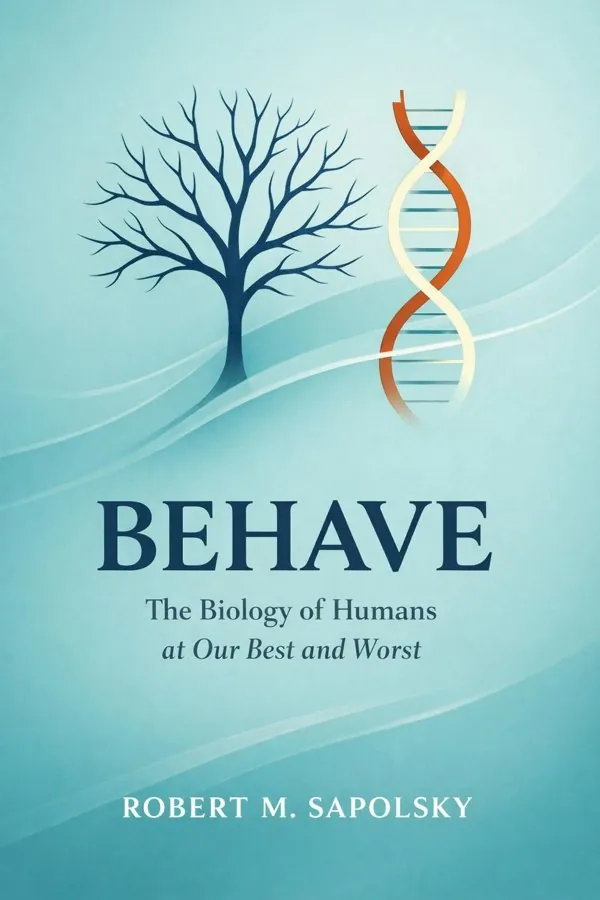
Behave: The Biology of Humans at Our Best and Worst
A monumental synthesis of neuroscience, psychology, and anthropology, 'Behave' explores the biological and environmental factors that shape human behavior. Robert Sapolsky examines how hormones, genes...
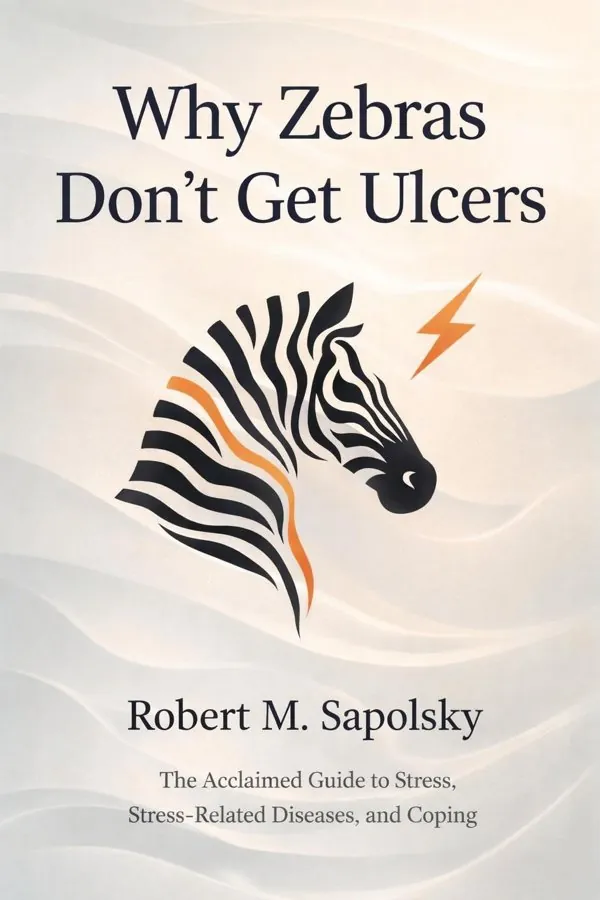
Why Zebras Don’t Get Ulcers: The Acclaimed Guide to Stress, Stress-Related Diseases, and Coping
Why do humans get sick from thoughts, deadlines, status anxiety, and imagined futures while wild animals usually recover once a threat has passed? In Why Zebras Don’t Get Ulcers, Robert M. Sapolsky an...
Key Insights from Robert M. Sapolsky
Immediate Causes
The story of behavior begins in the milliseconds before it occurs. In those moments, neurons in the prefrontal cortex, amygdala, and other parts of the brain are engaged in a conversation that decides what we do next. The prefrontal cortex—the seat of planning and impulse control—often acts as the a...
From Behave: The Biology of Humans at Our Best and Worst
Seconds to Minutes Before Behavior
Step back from the moment of action, and we see that behavior is not born from nowhere. The minutes before any act are filled with sensory input, emotional priming, and hormonal tides that prepare the stage. Suppose you have been insulted: your heart rate quickens, your sympathetic nervous system ac...
From Behave: The Biology of Humans at Our Best and Worst
The Biology of the Stress Response
Stress feels emotional, but it begins as biology. Sapolsky shows that the stress response starts deep in the brain, especially in the hypothalamus, which acts like a command center when a threat is detected. Once activated, it triggers two major systems. The first is the sympathetic nervous system, ...
From Why Zebras Don’t Get Ulcers: The Acclaimed Guide to Stress, Stress-Related Diseases, and Coping
Adaptive Stress Versus Chronic Overload
Not all stress is harmful; the real danger is stress that never gets a clean ending. Sapolsky’s zebra metaphor captures this perfectly. A zebra on the savanna experiences intense but brief stress when chased by a predator. Once the danger passes, the stress response shuts off. For humans, however, t...
From Why Zebras Don’t Get Ulcers: The Acclaimed Guide to Stress, Stress-Related Diseases, and Coping
When Stress Damages the Body
The body can survive emergencies; it struggles when forced to live inside them. One of Sapolsky’s central arguments is that chronic stress does not merely feel unpleasant. It contributes to real physical wear and tear across multiple organ systems. Elevated stress hormones over time can increase blo...
From Why Zebras Don’t Get Ulcers: The Acclaimed Guide to Stress, Stress-Related Diseases, and Coping
Stress Reshapes the Brain Itself
Stress is not only something the brain manages; over time, it is something that can remodel the brain. Sapolsky explains that prolonged exposure to stress hormones affects key regions involved in memory, emotion, and self-control. The hippocampus, crucial for forming and retrieving memories, is espe...
From Why Zebras Don’t Get Ulcers: The Acclaimed Guide to Stress, Stress-Related Diseases, and Coping
About Robert M. Sapolsky
Robert M. Sapolsky is an American neuroendocrinologist, biologist, and author. He is a professor of biology, neurology, and neurosurgery at Stanford University and a research associate at the National Museums of Kenya. His work focuses on stress, primate behavior, and the biology of human conduct. S...
Read more
Robert M. Sapolsky is an American neuroendocrinologist, biologist, and author. He is a professor of biology, neurology, and neurosurgery at Stanford University and a research associate at the National Museums of Kenya. His work focuses on stress, primate behavior, and the biology of human conduct. S...
Robert M. Sapolsky is an American neuroendocrinologist, biologist, and author. He is a professor of biology, neurology, and neurosurgery at Stanford University and a research associate at the National Museums of Kenya. His work focuses on stress, primate behavior, and the biology of human conduct. Sapolsky is also known for his accessible science writing and lectures that connect biology with human experience.


Frequently Asked Questions
Robert M. Sapolsky is an American neuroendocrinologist, biologist, and author.
Read Robert M. Sapolsky's books in 15 minutes
Get AI-powered summaries with key insights from 2 books by Robert M. Sapolsky.