
Robert Darnton Books
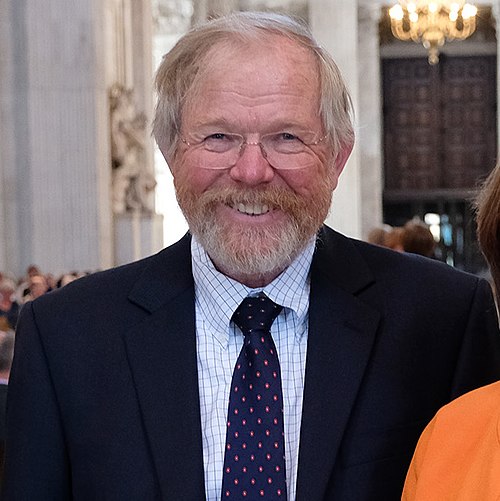
Robert Darnton is an American cultural historian and academic, best known for his pioneering work on the history of books and the Enlightenment in eighteenth-century France. He has served as a professor at Princeton University and Harvard University, and as director of the Harvard University Library.
Known for: The Great Cat Massacre: And Other Episodes in French Cultural History
Books by Robert Darnton
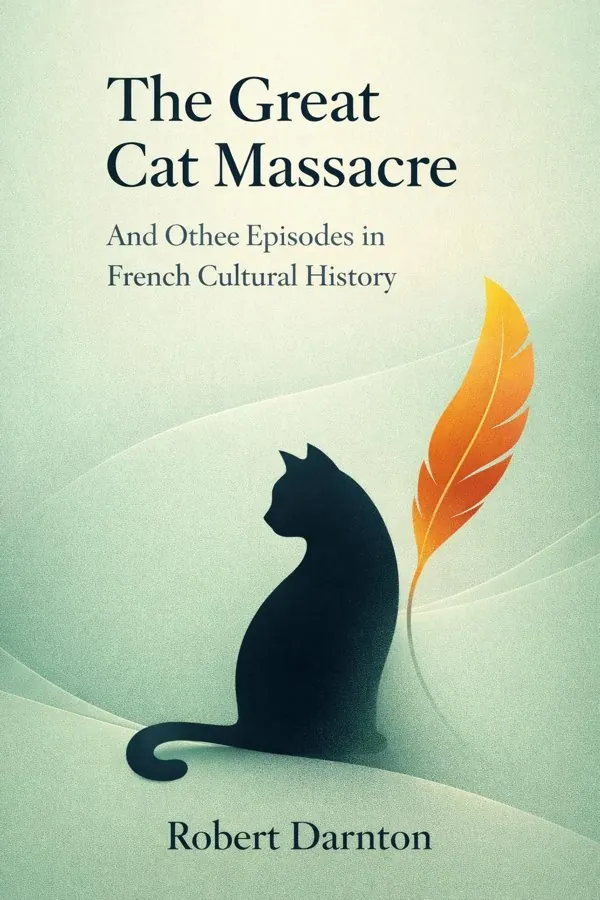
The Great Cat Massacre: And Other Episodes in French Cultural History
What can a cruel prank in a Paris print shop, a peasant folktale, or a police file reveal about an entire civilization? In The Great Cat Massacre, Robert Darnton argues that seemingly odd, trivial, or grotesque episodes can open a direct path into the mental world of eighteenth-century France. Rather than retelling familiar political events on the road to the French Revolution, he reconstructs how ordinary people, writers, workers, and officials made sense of authority, humor, injustice, and knowledge. The book matters because it shows that history is not only about institutions and wars; it is also about symbols, jokes, stories, and habits of thought. Darnton combines archival research with anthropology, literary criticism, and social history to interpret behaviors that modern readers might otherwise dismiss as irrational. His famous account of apprentices killing cats becomes a lesson in reading culture from the inside, not through modern assumptions. Darnton is uniquely qualified for this task. As one of the leading historians of eighteenth-century France and the history of books, he brings deep scholarly authority together with narrative energy. The result is a classic of cultural history that changes how we understand the past.
Read SummaryKey Insights from Robert Darnton
The Cat Massacre as Social Protest
The strangest events often reveal the deepest truths. Darnton opens with the now-famous story of Parisian printing apprentices in the 1730s who staged a mock trial and slaughtered the household cats of their master and mistress. To modern readers, the episode seems merely cruel, absurd, or incompreh...
From The Great Cat Massacre: And Other Episodes in French Cultural History
How to Interpret Alien Behavior
History becomes most valuable when it teaches us how not to mistake our own assumptions for universal truth. Darnton uses the cat massacre to model a broader interpretive method: cultural practices that look senseless from the outside may become intelligible once placed within their symbolic environ...
From The Great Cat Massacre: And Other Episodes in French Cultural History
Peasant Tales Expose Harsh Realities
Fairy tales are rarely as innocent as later generations imagine. In one of the book’s most influential chapters, Darnton studies French peasant folktales and compares them with the polished literary versions that became familiar through writers like Charles Perrault or, later, the Brothers Grimm. Wh...
From The Great Cat Massacre: And Other Episodes in French Cultural History
Storytelling Maintains and Challenges Order
The stories a society tells do more than entertain; they quietly train people in how to see the world. Darnton shows that eighteenth-century tales circulated through oral culture as carriers of social knowledge. They transmitted expectations about family, work, sexuality, danger, and class. At the s...
From The Great Cat Massacre: And Other Episodes in French Cultural History
The Encyclopedists Reordered Knowledge Itself
Revolutions begin in categories before they appear in streets. Darnton’s discussion of the Encyclopedists, especially the creators of the Encyclopédie, shows how the Enlightenment was not just a collection of abstract ideas but a concrete effort to reorganize knowledge. Denis Diderot, Jean le Rond d...
From The Great Cat Massacre: And Other Episodes in French Cultural History
The Literary Underground Shaped Opinion
Official culture is only half the story; the other half circulates in shadows. Darnton explores the “literary underground” of eighteenth-century France: the network of banned books, libels, pamphlets, and illicit texts that moved across borders and through informal distribution channels. This hidden...
From The Great Cat Massacre: And Other Episodes in French Cultural History
About Robert Darnton
Robert Darnton is an American cultural historian and academic, best known for his pioneering work on the history of books and the Enlightenment in eighteenth-century France. He has served as a professor at Princeton University and Harvard University, and as director of the Harvard University Library...
Read more
Robert Darnton is an American cultural historian and academic, best known for his pioneering work on the history of books and the Enlightenment in eighteenth-century France. He has served as a professor at Princeton University and Harvard University, and as director of the Harvard University Library...
Robert Darnton is an American cultural historian and academic, best known for his pioneering work on the history of books and the Enlightenment in eighteenth-century France. He has served as a professor at Princeton University and Harvard University, and as director of the Harvard University Library. His research has profoundly influenced the study of cultural and intellectual history.


Frequently Asked Questions
Robert Darnton is an American cultural historian and academic, best known for his pioneering work on the history of books and the Enlightenment in eighteenth-century France. He has served as a professor at Princeton University and Harvard University, and as director of the Harvard University Library.
Read Robert Darnton's books in 15 minutes
Get AI-powered summaries with key insights from 1 book by Robert Darnton.