
Pete Oswald Books
Pete Oswald is an illustrator and artist celebrated for his vibrant and expressive style, collaborating with John on The Food Group series.
Known for: The Sour Grape
Books by Pete Oswald
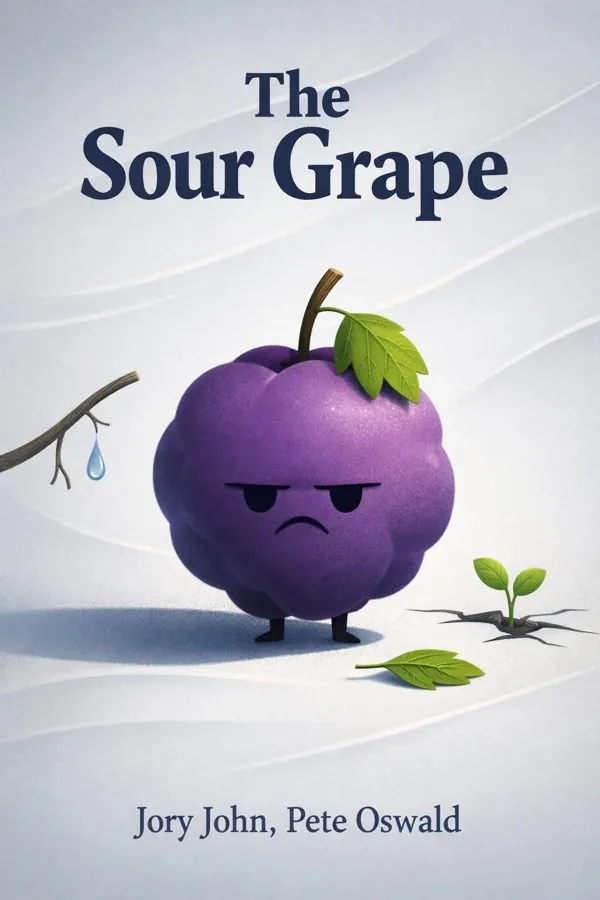
The Sour Grape
The Sour Grape by Jory John and Pete Oswald is a funny, emotionally sharp picture book about resentment, grudges, and the difficult path toward forgiveness. On the surface, it follows a grape who feels wronged by others and proudly keeps track of every slight, disappointment, and insult. But beneath the humor and expressive illustrations, the book explores a familiar human experience: what happens when hurt hardens into bitterness. As the grape catalogs offenses and avoids those who caused pain, readers begin to see how grudges can shape identity, relationships, and even a person’s sense of fairness. What makes the book especially meaningful is its ability to speak to children and adults at the same time, turning a simple story into a reflection on emotional maturity, empathy, and letting go. Jory John is widely known for writing witty, emotionally intelligent children’s books that help young readers name big feelings, while illustrator Pete Oswald brings those emotions to life with warmth and visual comedy. Together, they create a story that is playful enough to entertain and thoughtful enough to spark lasting conversations.
Read SummaryKey Insights from Pete Oswald
Grudges Can Become Part of Identity
One of the most striking ideas in The Sour Grape is that holding a grudge does not just affect a moment; it can begin to define who you are. The grape in the story starts as someone who has been hurt, disappointed, and annoyed by others. Those reactions are understandable. But over time, instead of ...
From The Sour Grape
Remembering Everything Is Not Wisdom
A provocative truth at the heart of The Sour Grape is that perfect memory is not the same as emotional intelligence. The grape takes pride in recalling every insult, every slight, and every broken expectation. In the grape’s mind, this careful mental record proves attentiveness and fairness. If some...
From The Sour Grape
Bitterness Often Hides Hurt Feelings
The Sour Grape works so well because it understands that anger is often the surface emotion, not the deepest one. The grape seems sharp, sarcastic, and proud of staying mad, but underneath that sourness is something more vulnerable: hurt. This emotional layering is an important lesson for children, ...
From The Sour Grape
Fairness Without Compassion Turns Cold
Another key insight from The Sour Grape is that fairness can become harsh when it is separated from compassion. The grape believes in a strict moral logic: if someone hurt you, they deserve distance; if someone disappointed you, they should not be trusted again; if someone made a mistake, they shoul...
From The Sour Grape
Forgiveness Is A Release, Not Approval
A central message in The Sour Grape is that forgiveness is not about pretending nothing happened. It is about loosening the emotional grip of an injury so it no longer controls you. The grape initially sees grudges as strength and forgiveness as surrender. That misunderstanding is common. Many reade...
From The Sour Grape
Empathy Changes The Story We Tell
One reason The Sour Grape resonates so deeply is that it demonstrates how empathy can disrupt a one-sided narrative. When we feel wronged, our perspective naturally narrows. We become the injured party, and everyone else becomes careless, selfish, or unfair. The grape lives inside that narrowed stor...
From The Sour Grape
About Pete Oswald
Pete Oswald is an illustrator and artist celebrated for his vibrant and expressive style, collaborating with John on The Food Group series.






Frequently Asked Questions
Pete Oswald is an illustrator and artist celebrated for his vibrant and expressive style, collaborating with John on The Food Group series.
Read Pete Oswald's books in 15 minutes
Get AI-powered summaries with key insights from 1 book by Pete Oswald.