
Neil Degrasse Tyson Books
Neil deGrasse Tyson is an American astrophysicist, author, and science communicator. He serves as the director of the Hayden Planetarium at the American Museum of Natural History and is known for his efforts to popularize science through books, television, and public speaking.
Known for: Starry Messenger
Books by Neil Degrasse Tyson
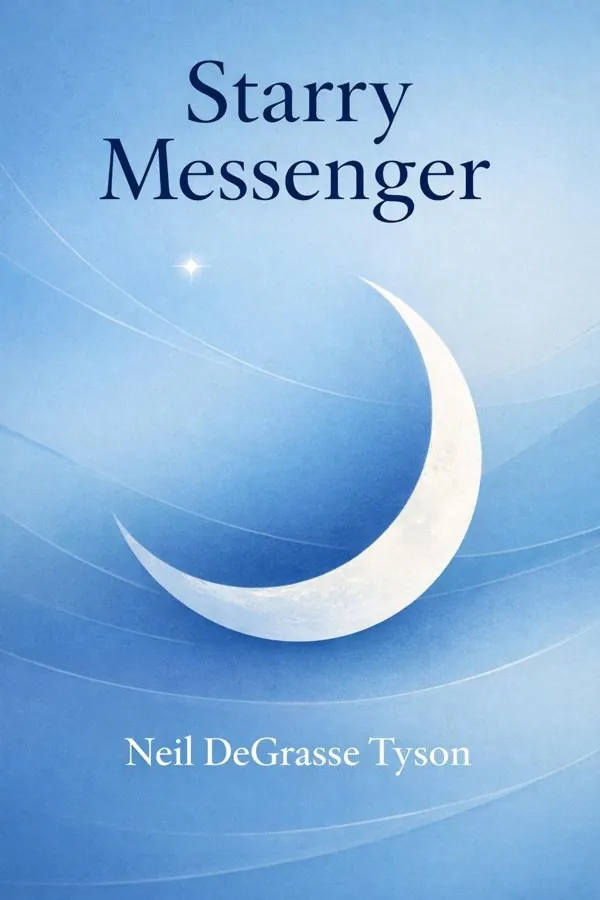
Starry Messenger
In this thought-provoking work, astrophysicist Neil deGrasse Tyson explores how science, rational thinking, and cosmic perspective can illuminate modern social and political issues. Through essays and reflections, Tyson encourages readers to apply scientific reasoning to everyday life, fostering empathy and understanding in a polarized world.
Read SummaryKey Insights from Neil Degrasse Tyson
The Cosmic Perspective Defined
The cosmic perspective begins with a simple act of imagination: to see Earth as astronauts do—from outside. When you behold our planet suspended in the infinite blackness, you realize how small, exquisite, and indivisible it truly is. No lines divide the continents. The storms, the oceans, the delic...
From Starry Messenger
Science and Objectivity
The heart of civilization’s progress has always been its commitment to objectivity—to the notion that truth exists independently of belief. Science is humanity’s greatest invention because it offers a method, not a doctrine. It forces us to confront reality, whether we like the results or not. In my...
From Starry Messenger
About Neil Degrasse Tyson
Neil deGrasse Tyson is an American astrophysicist, author, and science communicator. He serves as the director of the Hayden Planetarium at the American Museum of Natural History and is known for his efforts to popularize science through books, television, and public speaking.


Frequently Asked Questions
Neil deGrasse Tyson is an American astrophysicist, author, and science communicator. He serves as the director of the Hayden Planetarium at the American Museum of Natural History and is known for his efforts to popularize science through books, television, and public speaking.
Read Neil Degrasse Tyson's books in 15 minutes
Get AI-powered summaries with key insights from 1 book by Neil Degrasse Tyson.