
Morgan Housel Books
Morgan Housel is a partner at The Collaborative Fund and a former columnist at The Motley Fool and The Wall Street Journal. He is known for his insightful writing on behavioral finance and investing psychology, and has received multiple awards for his work in financial journalism.
Known for: The Psychology of Money, The Psychology of Money, Same as Ever
Books by Morgan Housel

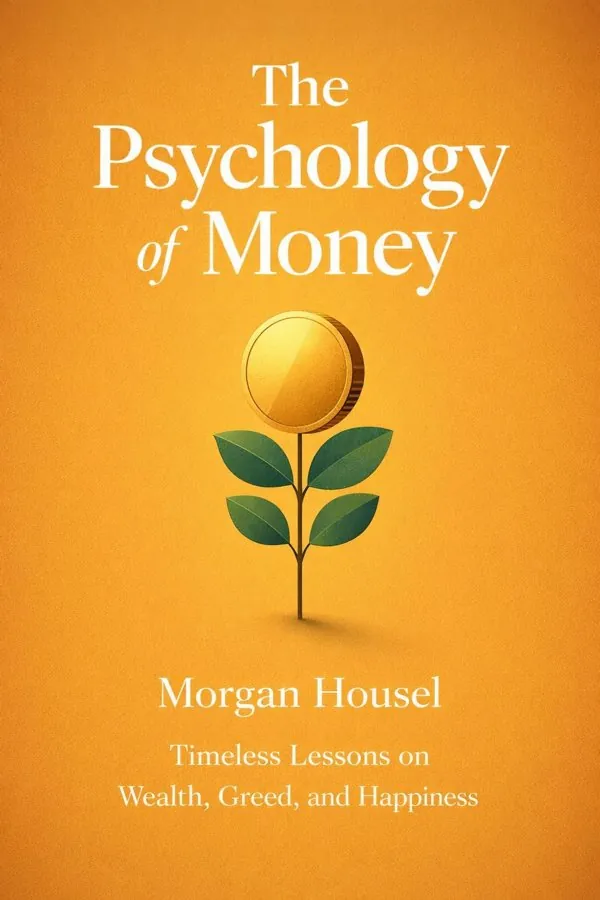
The Psychology of Money
Money decisions rarely fail because of bad math. More often, they fail because of emotion, ego, fear, envy, and the stories we tell ourselves about what money means. That is what makes The Psychology ...
The Psychology of Money
Money is often treated as a math problem, but Morgan Housel argues that it is really a behavior problem. In The Psychology of Money, he explores how wealth, spending, saving, risk, and happiness are s...

Same as Ever
In Same as Ever, Morgan Housel makes a deceptively simple argument: the best way to understand the future is to study what never changes. Markets rise and crash, technologies reshape industries, and h...
Key Insights from Morgan Housel
Early Experiences: How Childhood Shapes Our Attitude Toward Money
Many of our strongest money habits begin long before we open a bank account or earn a paycheck. Childhood teaches us what money feels like: safety, stress, freedom, secrecy, pride, or shame. If you grew up in a home where every expense was debated, you may now feel guilty buying even useful things. ...
From The Psychology of Money
Cognitive Biases: How the Mind Distorts Financial Judgment
Money decisions often feel rational in the moment, but they are shaped by mental shortcuts that can quietly distort judgment. One of the most powerful is loss aversion: the pain of losing money tends to feel stronger than the pleasure of gaining the same amount. This is why investors may hold failin...
From The Psychology of Money
Social Comparison: The Hidden Influence of Others
One of the most damaging forces in personal finance is comparison. People rarely judge wealth in absolute terms; they judge it relative to the people around them. That means satisfaction can shrink even as income rises, because there is always someone with a bigger house, newer car, or more impressi...
From The Psychology of Money
Trust, Fairness, and the Moral Side of Money
Money is not just a tool for exchange; it is deeply tied to trust, fairness, and morality. People do not respond to prices and profits in purely economic terms. They care whether a deal feels fair, whether someone is acting honestly, and whether money is being used in a way that respects social norm...
From The Psychology of Money
Debt, Scarcity, and the Emotional Weight of Financial Pressure
Debt is not merely a balance-sheet issue; it is a psychological burden. Ongoing financial pressure narrows attention, reduces mental bandwidth, and makes long-term planning harder. When money is tight, people often focus on immediate survival rather than optimal decisions. That does not reflect a la...
From The Psychology of Money
Digital Payments and the Changing Feel of Money
The way we pay changes the way we feel about spending. Physical cash creates friction: you see it, count it, and literally hand it over. Digital payments remove much of that emotional signal. A tap, swipe, or one-click purchase feels easier and less painful, which can increase spending without us fu...
From The Psychology of Money
About Morgan Housel
Morgan Housel is a partner at The Collaborative Fund and a former columnist at The Motley Fool and The Wall Street Journal. He is known for his insightful writing on behavioral finance and investing psychology, and has received multiple awards for his work in financial journalism.



Frequently Asked Questions
Morgan Housel is a partner at The Collaborative Fund and a former columnist at The Motley Fool and The Wall Street Journal. He is known for his insightful writing on behavioral finance and investing psychology, and has received multiple awards for his work in financial journalism.
Read Morgan Housel's books in 15 minutes
Get AI-powered summaries with key insights from 3 books by Morgan Housel.