
Martin Heidegger Books
Martin Heidegger (1889–1976) was a German philosopher and one of the most influential thinkers of the 20th century. He taught at the University of Freiburg and developed a profound ontology that deeply influenced philosophy, theology, literature, and art.
Known for: Being and Time, The Question Concerning Technology and Other Essays
Books by Martin Heidegger
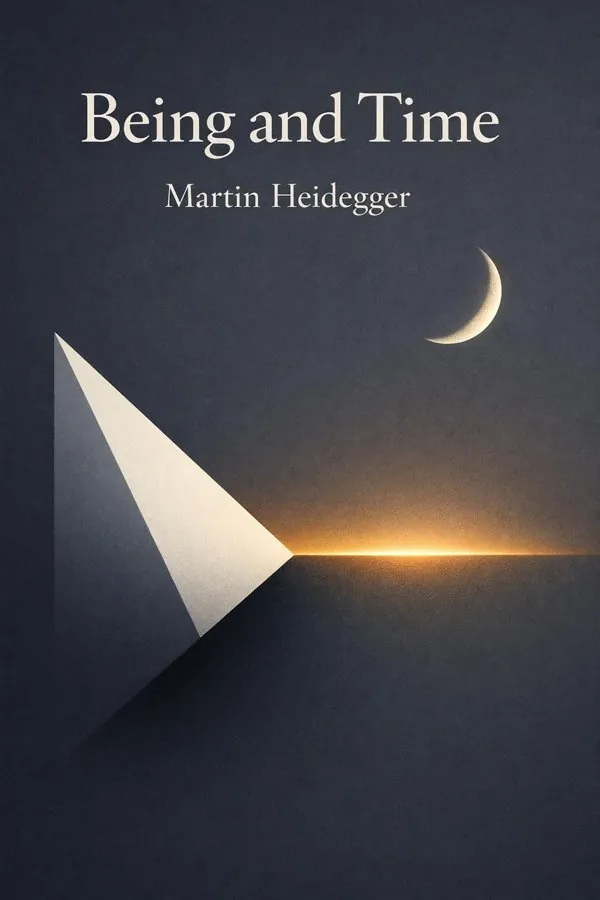
Being and Time
Being and Time is the major work of German philosopher Martin Heidegger, first published in 1927. It explores the question of the meaning of being and introduces the concept of Dasein as the central t...
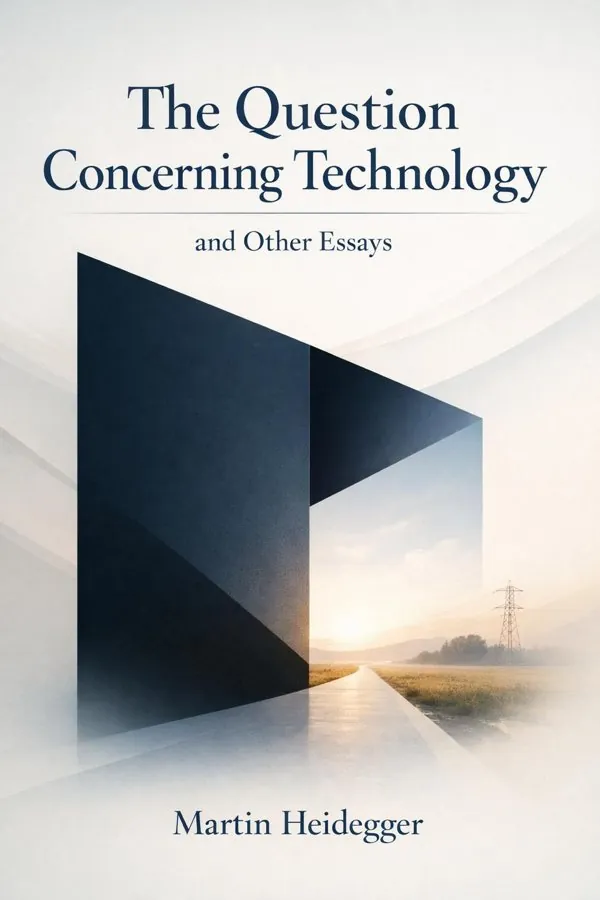
The Question Concerning Technology and Other Essays
Martin Heidegger’s The Question Concerning Technology and Other Essays is one of the most influential philosophical examinations of modern life ever written. Rather than treating technology as a colle...
Key Insights from Martin Heidegger
Methodological Foundation: Phenomenology as the Path to Being
To raise the question of Being we must first clarify how to approach it. Traditional methods of metaphysics and logic begin from presuppositions about what exists, dividing the world into categories of substance, property, cause, and effect. Yet all these assume a prior understanding of Being they n...
From Being and Time
Analysis of Dasein: The Being for Whom Being is an Issue
Dasein is my term for the human being considered not as an object among others, but as the being whose very essence lies in existence. The German word literally means 'being-there'—a being that is always already situated in a world, never isolated or detached. This term resists traditional definitio...
From Being and Time
Beyond Tools and Human Control
A tool is never just a tool if it changes the way the world appears to us. Heidegger begins by examining the two most common definitions of technology: the instrumental definition, which says technology is a means to an end, and the anthropological definition, which says it is a human activity. Both...
From The Question Concerning Technology and Other Essays
Technology as a Mode of Revealing
The most radical claim in the book is that the essence of technology is not itself technological. Heidegger means that technology is not ultimately defined by machines, hardware, or engineering. Its essence lies in a mode of revealing, a way truth happens. He draws on the Greek idea of aletheia, oft...
From The Question Concerning Technology and Other Essays
Enframing Orders the Modern World
What if the deepest problem of modern technology is not machinery, but a mindset that arranges everything as usable stock? Heidegger names the essence of modern technology Gestell, usually translated as enframing. Enframing is not a gadget or policy. It is the underlying pattern that orders the worl...
From The Question Concerning Technology and Other Essays
The Danger Hidden in Efficiency
The greatest danger of technology is not destruction alone, but spiritual blindness. Heidegger does not deny the obvious risks of modern technology: environmental damage, mechanized warfare, alienation, and mass control. Yet he argues that a deeper danger lies beneath these outcomes. When enframing ...
From The Question Concerning Technology and Other Essays
About Martin Heidegger
Martin Heidegger (1889–1976) was a German philosopher and one of the most influential thinkers of the 20th century. He taught at the University of Freiburg and developed a profound ontology that deeply influenced philosophy, theology, literature, and art. His work Being and Time is considered a key ...
Read more
Martin Heidegger (1889–1976) was a German philosopher and one of the most influential thinkers of the 20th century. He taught at the University of Freiburg and developed a profound ontology that deeply influenced philosophy, theology, literature, and art. His work Being and Time is considered a key ...
Martin Heidegger (1889–1976) was a German philosopher and one of the most influential thinkers of the 20th century. He taught at the University of Freiburg and developed a profound ontology that deeply influenced philosophy, theology, literature, and art. His work Being and Time is considered a key text in existential philosophy.


Frequently Asked Questions
Martin Heidegger (1889–1976) was a German philosopher and one of the most influential thinkers of the 20th century. He taught at the University of Freiburg and developed a profound ontology that deeply influenced philosophy, theology, literature, and art.
Read Martin Heidegger's books in 15 minutes
Get AI-powered summaries with key insights from 2 books by Martin Heidegger.