
Martin Ford Books
Martin Ford is a futurist and author known for his works on technology and the economy. He previously wrote the bestselling book 'Rise of the Robots', which won the Financial Times and McKinsey Business Book of the Year Award.
Known for: Architects of Intelligence: The Truth About AI from the People Building It, Rise of the Robots: Technology and the Threat of a Jobless Future, Rule of the Robots: How Artificial Intelligence Will Transform Everything
Books by Martin Ford
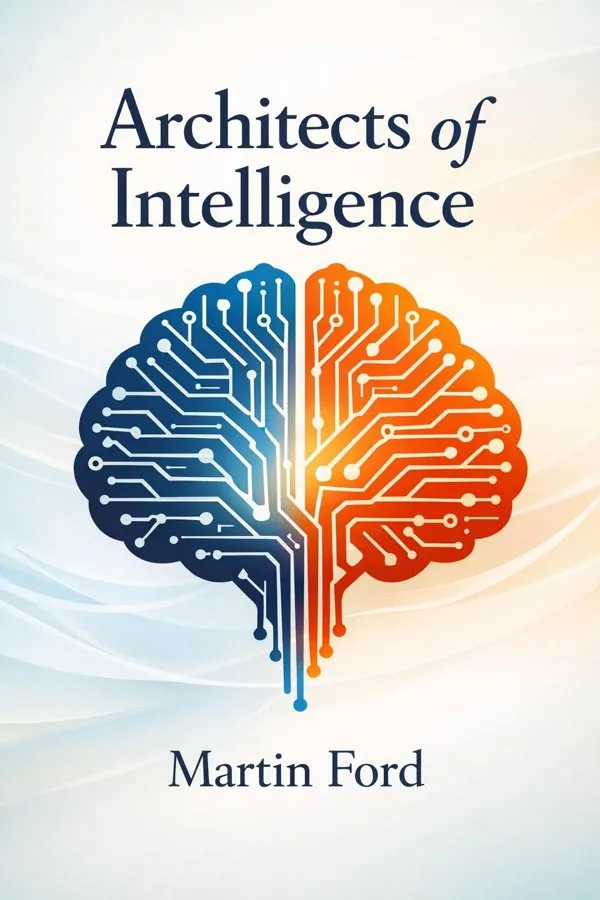
Architects of Intelligence: The Truth About AI from the People Building It
Architects of Intelligence es una colección de entrevistas en profundidad con veintitrés líderes en inteligencia artificial, incluyendo investigadores y empresarios. El autor, Martin Ford, explora el ...
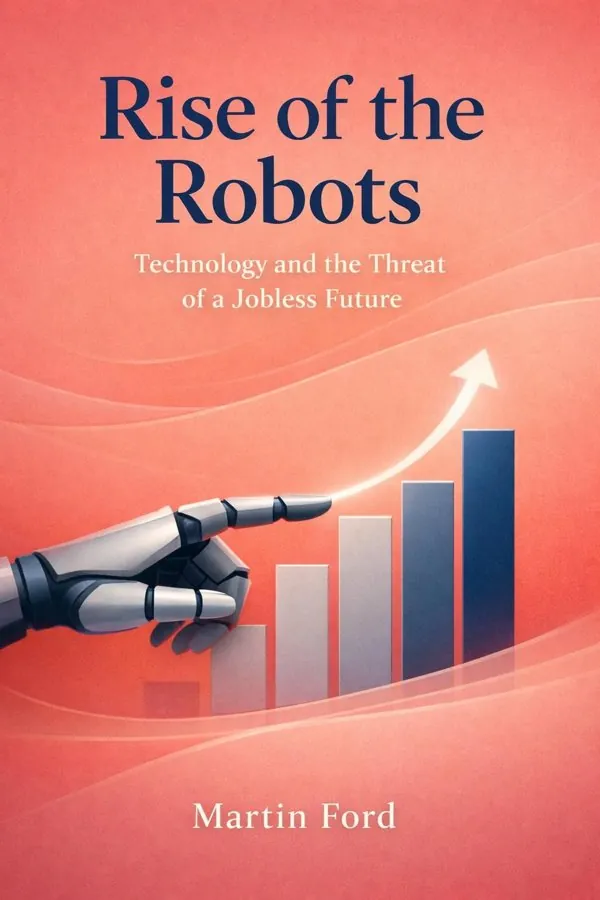
Rise of the Robots: Technology and the Threat of a Jobless Future
Martin Ford’s Rise of the Robots is a sharp, urgent examination of how artificial intelligence, robotics, and software automation are reshaping the modern economy. The book argues that the current wav...
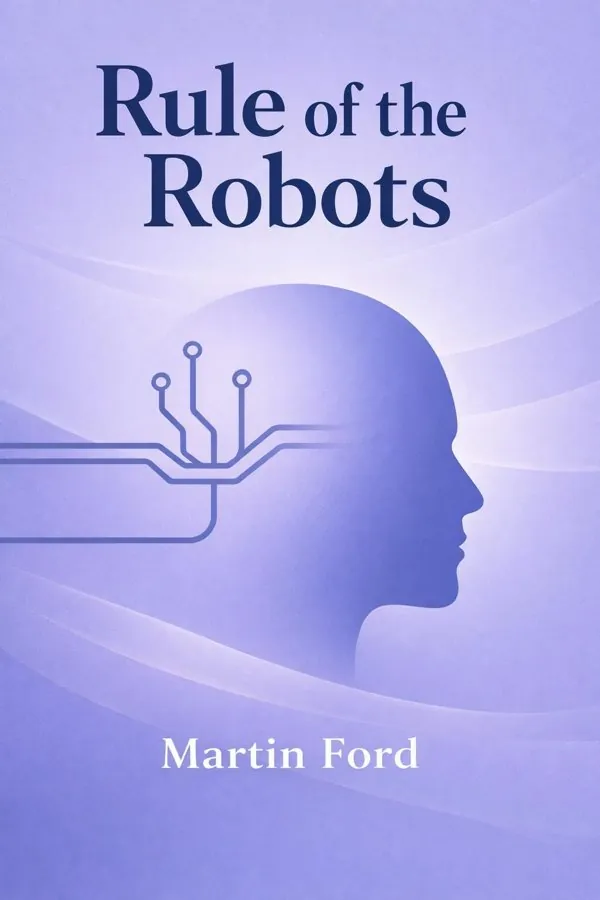
Rule of the Robots: How Artificial Intelligence Will Transform Everything
Rule of the Robots explores how artificial intelligence is reshaping industries, economies, and societies worldwide. Martin Ford examines the profound implications of AI on employment, privacy, and hu...
Key Insights from Martin Ford
Overview of Artificial Intelligence
Artificial intelligence today stands at a pivotal threshold. Through my interviews with pioneers, it became clear that AI has advanced not through one single breakthrough but through decades of cumulative effort—machine learning algorithms refining themselves, data expanding in scale, and computing ...
From Architects of Intelligence: The Truth About AI from the People Building It
AI and the Future of Work
If one question dominated my conversations, it was: what will AI do to jobs? Nearly every expert acknowledges that automation will reshape the labor landscape on a scale rivaling the Industrial Revolution. Machines don’t just replace manual labor—they extend into cognitive domains, handling analysis...
From Architects of Intelligence: The Truth About AI from the People Building It
Past Revolutions Don’t Guarantee New Jobs
One of the most comforting assumptions about technology is also one of the most dangerous: that every wave of automation destroys some jobs but inevitably creates better ones. Martin Ford challenges this belief by revisiting earlier industrial revolutions and asking whether history truly offers reas...
From Rise of the Robots: Technology and the Threat of a Jobless Future
AI Now Competes With Human Intelligence
The real disruption begins when machines stop being tools and start becoming competitors. Ford explains that advances in artificial intelligence, machine learning, sensors, and robotics have moved automation beyond rigid, preprogrammed routines. Today’s systems improve through data, adapt to changin...
From Rise of the Robots: Technology and the Threat of a Jobless Future
Manufacturing Became Automation’s First Laboratory
Factories provide an early and revealing picture of what automation does to employment. Ford shows that manufacturing has long been the testing ground for labor-saving technology, from assembly-line machines to industrial robots. The result has been a powerful lesson: output can rise even as human e...
From Rise of the Robots: Technology and the Threat of a Jobless Future
White-Collar Work Is No Longer Safe
For decades, education was sold as protection against automation. Ford argues that this promise is weakening because software is increasingly capable of performing white-collar tasks once reserved for trained professionals. The old division between vulnerable blue-collar work and secure knowledge wo...
From Rise of the Robots: Technology and the Threat of a Jobless Future
About Martin Ford
Martin Ford is a futurist and author known for his works on technology and the economy. He previously wrote the bestselling book 'Rise of the Robots', which won the Financial Times and McKinsey Business Book of the Year Award. Ford frequently speaks on the impact of automation and AI on the global w...
Read more
Martin Ford is a futurist and author known for his works on technology and the economy. He previously wrote the bestselling book 'Rise of the Robots', which won the Financial Times and McKinsey Business Book of the Year Award. Ford frequently speaks on the impact of automation and AI on the global w...
Martin Ford is a futurist and author known for his works on technology and the economy. He previously wrote the bestselling book 'Rise of the Robots', which won the Financial Times and McKinsey Business Book of the Year Award. Ford frequently speaks on the impact of automation and AI on the global workforce.

Frequently Asked Questions
Martin Ford is a futurist and author known for his works on technology and the economy. He previously wrote the bestselling book 'Rise of the Robots', which won the Financial Times and McKinsey Business Book of the Year Award.
Read Martin Ford's books in 15 minutes
Get AI-powered summaries with key insights from 3 books by Martin Ford.