
Klaus Schwab Books
Klaus Schwab is a German engineer and economist best known as the founder and executive chairman of the World Economic Forum. He has written extensively on global economic policy, technology, and governance, and has been a leading voice in shaping international dialogue on the future of globalization and innovation.
Known for: COVID-19: The Great Reset, The Fourth Industrial Revolution
Books by Klaus Schwab
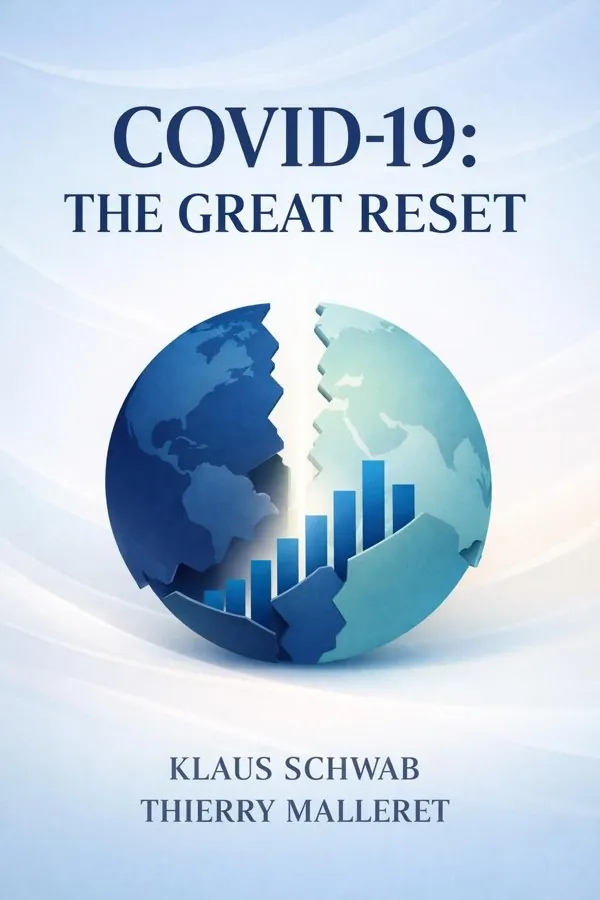
COVID-19: The Great Reset
COVID-19: The Great Reset explores how the pandemic has accelerated systemic changes in the global economy, politics, and society. The authors argue that the crisis offers an opportunity to reshape ca...
The Fourth Industrial Revolution
What happens when artificial intelligence, robotics, biotechnology, advanced materials, and the Internet of Things begin to evolve at the same time and reinforce one another? In The Fourth Industrial ...
Key Insights from Klaus Schwab
Contextual Overview: Pre-Pandemic Vulnerabilities
Before the outbreak, the global system was already strained. Economic inequality had reached extreme levels in both developed and developing nations, environmental degradation continued despite pledges under global accords, and political polarization undercut governance from local councils to intern...
From COVID-19: The Great Reset
Macro Reset: Reshaping Global Economic Structures
At the macroeconomic level, COVID-19 revolutionized fiscal and monetary policy. Governments intervened as never before, injecting liquidity, expanding welfare programs, and redefining the limits of market autonomy. Central banks embarked on extraordinary measures—quantitative easing on an unpreceden...
From COVID-19: The Great Reset
Why This Revolution Is Different
Every industrial revolution changes tools, but only a few change the very logic of society. Schwab argues that the Fourth Industrial Revolution stands apart because of three defining characteristics: velocity, scope, and systemic impact. Technological change is moving faster than in previous eras, b...
From The Fourth Industrial Revolution
The Technologies Driving Convergence
The most important innovations today do not advance alone; they collide, combine, and multiply one another’s power. Schwab highlights a cluster of technologies driving the Fourth Industrial Revolution, including artificial intelligence, robotics, autonomous vehicles, 3D printing, nanotechnology, bio...
From The Fourth Industrial Revolution
Economic Growth And Uneven Disruption
Technology creates prosperity, but it does not distribute that prosperity fairly on its own. One of Schwab’s most important contributions is his balanced view of the economic implications of the Fourth Industrial Revolution. On one hand, emerging technologies can raise productivity, lower costs, imp...
From The Fourth Industrial Revolution
Work, Skills, And Human Adaptability
The jobs of the future will not simply require more knowledge; they will require a different relationship between humans and machines. Schwab argues that the Fourth Industrial Revolution is transforming labor markets by automating routine tasks while increasing demand for creativity, problem-solving...
From The Fourth Industrial Revolution
About Klaus Schwab
Klaus Schwab is a German engineer and economist best known as the founder and executive chairman of the World Economic Forum. He has written extensively on global economic policy, technology, and governance, and has been a leading voice in shaping international dialogue on the future of globalizatio...
Read more
Klaus Schwab is a German engineer and economist best known as the founder and executive chairman of the World Economic Forum. He has written extensively on global economic policy, technology, and governance, and has been a leading voice in shaping international dialogue on the future of globalizatio...
Klaus Schwab is a German engineer and economist best known as the founder and executive chairman of the World Economic Forum. He has written extensively on global economic policy, technology, and governance, and has been a leading voice in shaping international dialogue on the future of globalization and innovation.

Frequently Asked Questions
Klaus Schwab is a German engineer and economist best known as the founder and executive chairman of the World Economic Forum. He has written extensively on global economic policy, technology, and governance, and has been a leading voice in shaping international dialogue on the future of globalization and innovation.
Read Klaus Schwab's books in 15 minutes
Get AI-powered summaries with key insights from 2 books by Klaus Schwab.