
Jonathan Slack Books
Jonathan Slack is a developmental biologist and Professor Emeritus at the University of Bath. He has published extensively on stem cell biology and developmental mechanisms and is known for his accessible writing on complex biological topics.
Known for: Stem Cells: A Very Short Introduction
Books by Jonathan Slack
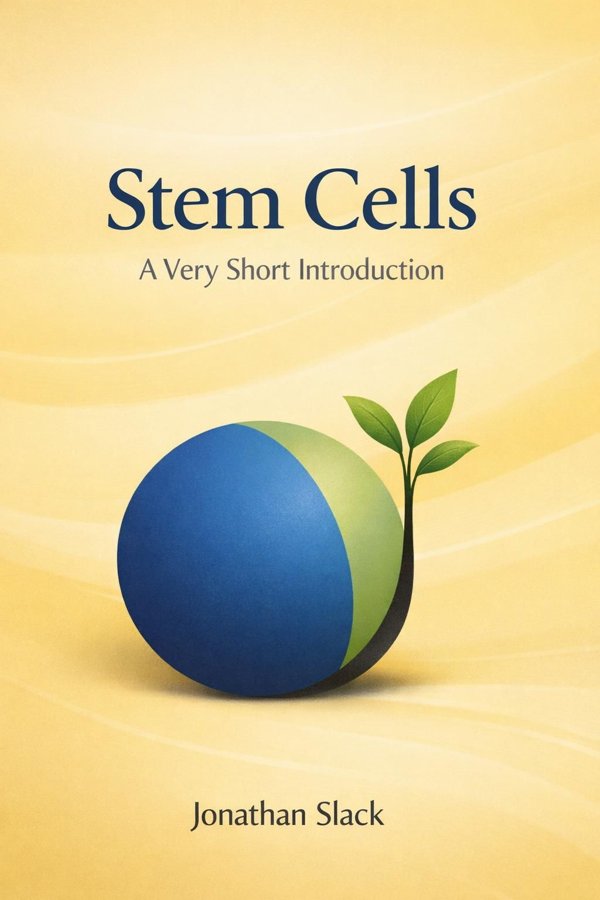
Stem Cells: A Very Short Introduction
Stem cells sit at the crossroads of biology, medicine, and ethics. In Stem Cells: A Very Short Introduction, developmental biologist Jonathan Slack explains why these remarkable cells have become one of the most important subjects in modern science. The book introduces the core biology of stem cells, showing how they differ from ordinary cells through their ability to both renew themselves and develop into specialized tissues. From embryos to adult organs, Slack traces how stem cells help build the body, maintain it, and, potentially, repair it. What makes this book especially valuable is its balance. It does not simply celebrate the promise of regenerative medicine; it also explains the technical barriers, the risk of overhyped therapies, and the ethical controversies that have shaped public debate. Slack brings authority to the topic as a leading developmental biologist and gifted science communicator, making complex ideas accessible without oversimplifying them. For readers curious about tissue engineering, disease treatment, cloning, or the future of personalized medicine, this short book offers a clear and reliable foundation. It is an ideal guide to a field that inspires both hope and caution in equal measure.
Read SummaryKey Insights from Jonathan Slack
What Makes a Stem Cell Special
A stem cell matters not because it is mysterious, but because it can do two things most cells cannot do at once: keep making more of itself and also give rise to specialized descendants. This dual capacity, called self-renewal and differentiation, is the defining feature of stem cells. A skin cell c...
From Stem Cells: A Very Short Introduction
Potency Shapes Biological Possibility
The story of development is, in one sense, the gradual narrowing of options. At the beginning of life, a fertilized egg is totipotent, meaning it can generate every cell type in the body as well as supporting tissues such as the placenta. Very soon, cells become pluripotent: still capable of making ...
From Stem Cells: A Very Short Introduction
How Stem Cell Science Emerged
Scientific revolutions often begin with a change in language: once you can name a hidden process, you can start to study it. The concept of the stem cell emerged gradually from work in embryology, blood biology, and cancer research. Scientists first inferred the existence of special progenitor cells...
From Stem Cells: A Very Short Introduction
Embryonic Stem Cells and Their Promise
Few cells have generated as much hope and controversy as embryonic stem cells. Derived from the inner cell mass of a very early embryo, these cells are pluripotent, meaning they can become nearly any cell type in the body. That makes them extraordinarily valuable for research. They offer scientists ...
From Stem Cells: A Very Short Introduction
Adult Stem Cells Maintain the Body
The body is not a finished structure; it is an ongoing maintenance project. Adult stem cells are the quiet workforce behind that maintenance, replenishing tissues that experience constant wear, turnover, or injury. Unlike embryonic stem cells, they are usually confined to particular tissues and gene...
From Stem Cells: A Very Short Introduction
Reprogramming Cells Changed the Field
One of the most startling discoveries in modern biology is that a mature cell does not always stay committed to its identity. Scientists found that by introducing a small set of regulatory factors, they could reprogram ordinary adult cells, such as skin cells, into induced pluripotent stem cells, or...
From Stem Cells: A Very Short Introduction
About Jonathan Slack
Jonathan Slack is a developmental biologist and Professor Emeritus at the University of Bath. He has published extensively on stem cell biology and developmental mechanisms and is known for his accessible writing on complex biological topics.


Frequently Asked Questions
Jonathan Slack is a developmental biologist and Professor Emeritus at the University of Bath. He has published extensively on stem cell biology and developmental mechanisms and is known for his accessible writing on complex biological topics.
Read Jonathan Slack's books in 15 minutes
Get AI-powered summaries with key insights from 1 book by Jonathan Slack.