
James Mahaffey Books
James Mahaffey is an American nuclear engineer and author known for his accessible works on nuclear science and technology. He has worked on research projects for the U.
Known for: Atomic Accidents: A History of Nuclear Meltdowns and Disasters: From the Ozark Mountains to Fukushima
Books by James Mahaffey
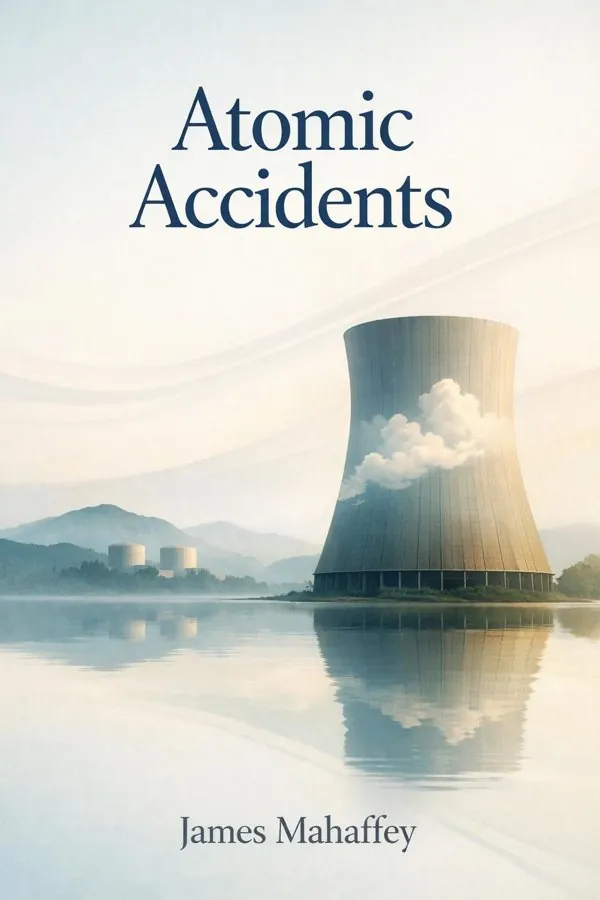
Atomic Accidents: A History of Nuclear Meltdowns and Disasters: From the Ozark Mountains to Fukushima
Atomic power is often discussed in absolutes: either as a miracle technology capable of powering modern civilization, or as a uniquely dangerous force that can never be fully controlled. In Atomic Accidents, James Mahaffey replaces slogans with history. He traces the real story of nuclear mishaps, from the chaotic early years of atomic experimentation to headline-making disasters such as Windscale, Three Mile Island, Chernobyl, and Fukushima. Rather than treating each accident as an isolated anomaly, Mahaffey shows how technical flaws, overconfidence, secrecy, weak procedures, and political pressure repeatedly combined to produce failure. What makes the book especially valuable is Mahaffey’s perspective. As a nuclear engineer with experience in government research and defense-related work, he understands both the physics inside a reactor and the human systems around it. He writes with authority, but also with wit and accessibility, making complex ideas understandable for non-specialists. The result is more than a catalog of catastrophes. It is a revealing history of how high-risk technologies evolve, how institutions learn, and why safety is never a final achievement. For anyone trying to understand nuclear power beyond fear or propaganda, this book is essential.
Read SummaryKey Insights from James Mahaffey
Discovery Began with Dangerous Curiosity
The earliest nuclear accidents happened before the world had language, procedures, or even instincts for the risks involved. That is one of Mahaffey’s central insights: atomic science did not emerge from a carefully managed safety culture, but from improvisation, ambition, and experimentation at the...
From Atomic Accidents: A History of Nuclear Meltdowns and Disasters: From the Ozark Mountains to Fukushima
Reactor Design Reflects Human Assumptions
Every reactor is a physical expression of what its designers believed could go wrong. Mahaffey makes clear that nuclear accidents are rarely caused by physics alone; they are shaped by engineering choices that embed assumptions about operators, maintenance, environment, and failure. A plant that see...
From Atomic Accidents: A History of Nuclear Meltdowns and Disasters: From the Ozark Mountains to Fukushima
Small Procedural Errors Can Turn Fatal
One of the most chilling lessons in Atomic Accidents is that enormous disasters can begin with an action so small it appears trivial. Mahaffey’s treatment of the SL-1 accident in Idaho demonstrates this brutally. The reactor, a small Army project, exploded after a control rod was manually withdrawn ...
From Atomic Accidents: A History of Nuclear Meltdowns and Disasters: From the Ozark Mountains to Fukushima
Secrecy Magnifies Technical Failure
A reactor accident is never only a technical event; it is also an information event. Mahaffey’s discussion of the Windscale fire in Britain shows how secrecy, national pride, and institutional defensiveness can make a bad accident worse. Windscale’s graphite-moderated piles were connected to weapons...
From Atomic Accidents: A History of Nuclear Meltdowns and Disasters: From the Ozark Mountains to Fukushima
Accidents Reshape Public Trust Faster Than Physics
Mahaffey’s account of Three Mile Island shows that a nuclear accident can be historically significant even when the physical damage is limited compared with larger disasters. The 1979 event in Pennsylvania did not produce the kind of explosive release seen at Chernobyl, yet it transformed public opi...
From Atomic Accidents: A History of Nuclear Meltdowns and Disasters: From the Ozark Mountains to Fukushima
Chernobyl Was a Human System Failure
Chernobyl endures in public memory as the ultimate nuclear nightmare, but Mahaffey insists that its meaning is deeper than a spectacular explosion. The disaster was not simply the result of a flawed reactor design, though design flaws mattered greatly. It was the outcome of a whole system that rewar...
From Atomic Accidents: A History of Nuclear Meltdowns and Disasters: From the Ozark Mountains to Fukushima
About James Mahaffey
James Mahaffey is an American nuclear engineer and author known for his accessible works on nuclear science and technology. He has worked on research projects for the U.S. Department of Energy and the Department of Defense and has written several books explaining nuclear power and its history to gen...
Read more
James Mahaffey is an American nuclear engineer and author known for his accessible works on nuclear science and technology. He has worked on research projects for the U.S. Department of Energy and the Department of Defense and has written several books explaining nuclear power and its history to gen...
James Mahaffey is an American nuclear engineer and author known for his accessible works on nuclear science and technology. He has worked on research projects for the U.S. Department of Energy and the Department of Defense and has written several books explaining nuclear power and its history to general audiences.


Frequently Asked Questions
James Mahaffey is an American nuclear engineer and author known for his accessible works on nuclear science and technology. He has worked on research projects for the U.
Read James Mahaffey's books in 15 minutes
Get AI-powered summaries with key insights from 1 book by James Mahaffey.