
James Joyce Books
James Joyce (1882–1941) was an Irish novelist and poet, regarded as one of the most important writers of the twentieth century. His work is known for its use of stream of consciousness, exploration of the mind, and linguistic experimentation.
Known for: A Portrait of the Artist as a Young Man, Ulysses
Books by James Joyce
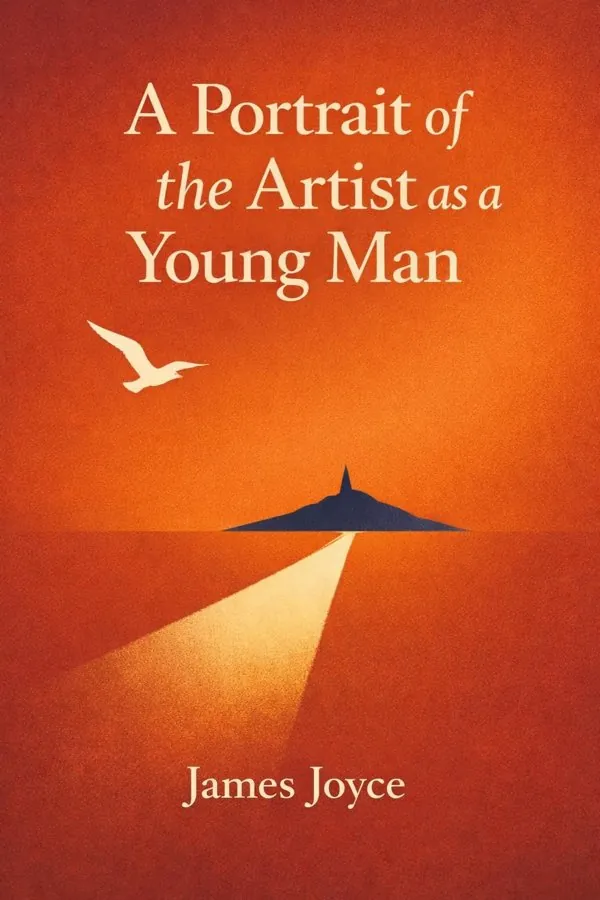
A Portrait of the Artist as a Young Man
A Portrait of the Artist as a Young Man is James Joyce’s groundbreaking coming-of-age novel about the making of an artist—and the cost of becoming one. Following Stephen Dedalus from early childhood t...
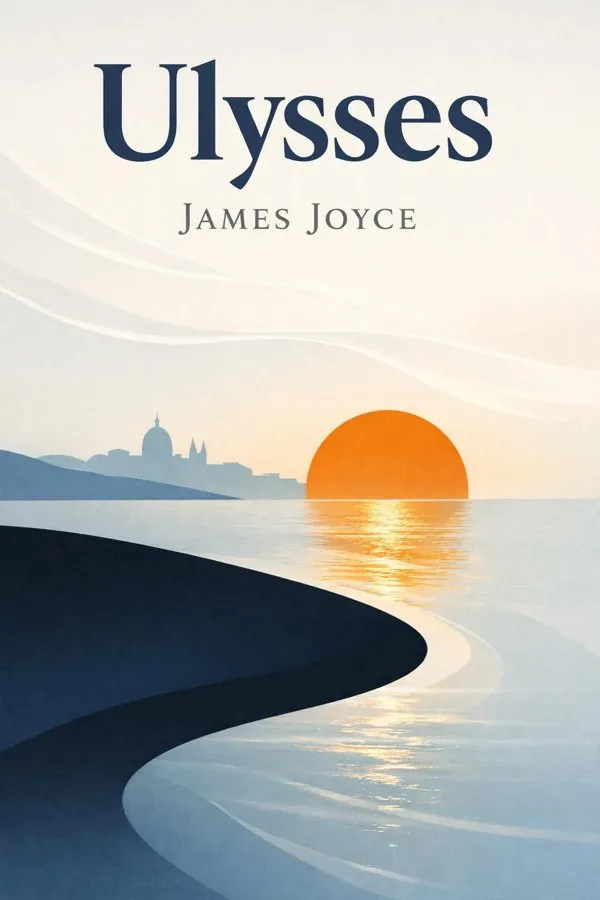
Ulysses
James Joyce’s Ulysses is a novel about one ordinary day that somehow contains an entire universe. Set in Dublin on June 16, 1904, it follows three central consciousnesses—Stephen Dedalus, Leopold Bloo...
Key Insights from James Joyce
Early Childhood and Forming Consciousness
The first drama of life is not action but perception. Joyce begins A Portrait of the Artist as a Young Man by showing Stephen Dedalus as a child immersed in fragments of sound, rhythm, fear, and sensation. The famous opening does not present a polished narrator looking back with clarity; instead, it...
From A Portrait of the Artist as a Young Man
Family Decline and Social Instability
A family’s financial collapse does more than reduce comfort; it can rearrange a child’s understanding of dignity, class, and possibility. As the Dedalus family slips from relative security into increasing poverty, Stephen becomes acutely aware of the instability beneath social respectability. His fa...
From A Portrait of the Artist as a Young Man
Sin, Guilt, and Religious Terror
Few experiences shape the self more deeply than being taught that your desires may endanger your soul. In one of the novel’s most powerful phases, Stephen enters adolescence and falls into sexual sin as defined by Catholic teaching. His visits to prostitutes are not presented simply as rebellion or ...
From A Portrait of the Artist as a Young Man
Devotion and the Temptation of Piety
Sometimes the strongest form of rebellion is not defiance but surrender. After his crisis of guilt, Stephen turns intensely toward religion. He confesses, repents, and embraces a life of spiritual discipline with great seriousness. For a time, he finds relief in obedience. Rules quiet inner chaos. S...
From A Portrait of the Artist as a Young Man
Beauty, Desire, and Artistic Awakening
A single moment of beauty can overturn an entire moral universe. Stephen’s famous vision of the girl wading at the seashore marks a turning point in the novel. He sees her not through the lens of sin or shame but through wonder, sensuality, and aesthetic rapture. This is not simply attraction. It is...
From A Portrait of the Artist as a Young Man
Aesthetics as a Way of Thinking
Artists are not made by emotion alone; they also need a language for what they value. As Stephen matures, he develops theories of art and beauty, especially in conversations with friends. These passages can seem abstract at first, but they are central to the novel’s design. Stephen is trying to buil...
From A Portrait of the Artist as a Young Man
About James Joyce
James Joyce (1882–1941) was an Irish novelist and poet, regarded as one of the most important writers of the twentieth century. His work is known for its use of stream of consciousness, exploration of the mind, and linguistic experimentation. His major works include 'Dubliners', 'A Portrait of the A...
Read more
James Joyce (1882–1941) was an Irish novelist and poet, regarded as one of the most important writers of the twentieth century. His work is known for its use of stream of consciousness, exploration of the mind, and linguistic experimentation. His major works include 'Dubliners', 'A Portrait of the A...
James Joyce (1882–1941) was an Irish novelist and poet, regarded as one of the most important writers of the twentieth century. His work is known for its use of stream of consciousness, exploration of the mind, and linguistic experimentation. His major works include 'Dubliners', 'A Portrait of the Artist as a Young Man', 'Ulysses', and 'Finnegans Wake'.




Frequently Asked Questions
James Joyce (1882–1941) was an Irish novelist and poet, regarded as one of the most important writers of the twentieth century. His work is known for its use of stream of consciousness, exploration of the mind, and linguistic experimentation.
Read James Joyce's books in 15 minutes
Get AI-powered summaries with key insights from 2 books by James Joyce.