
James Campbell Books
James Campbell (1935–2016) was a British historian and Fellow of Worcester College, Oxford. He specialized in Anglo-Saxon history and was widely recognized for his contributions to early English medieval studies.
Known for: The Anglo-Saxons
Books by James Campbell
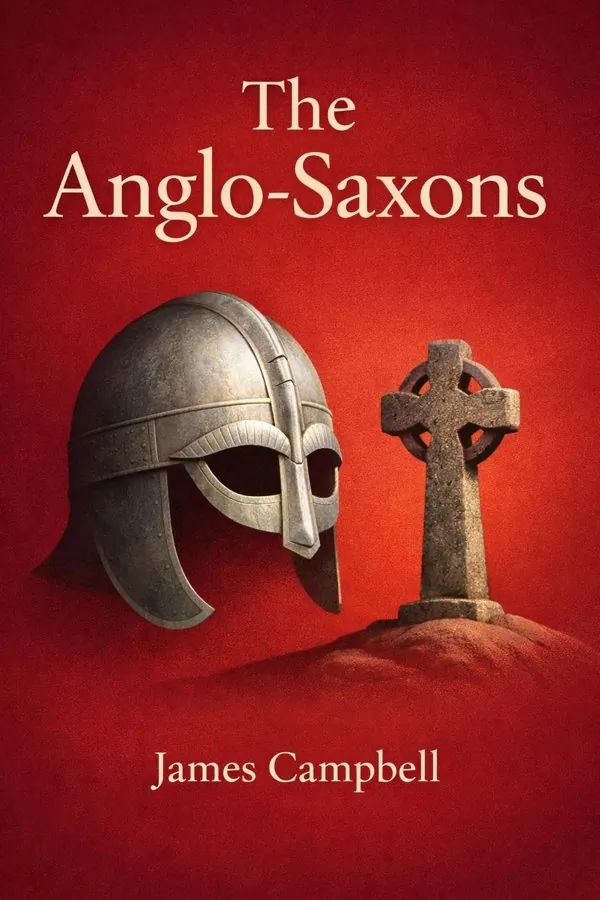
The Anglo-Saxons
James Campbell’s The Anglo-Saxons is a landmark history of early medieval England, offering a vivid, scholarly, and surprisingly accessible account of the peoples, kingdoms, institutions, and cultural achievements that shaped the centuries between the end of Roman Britain and the Norman Conquest. Rather than treating the Anglo-Saxon era as a dark or primitive prelude to “real” English history, Campbell presents it as a dynamic and formative age in its own right—one in which political authority, Christian identity, legal order, landholding, literacy, and artistic expression all took enduring form. What makes the book especially valuable is Campbell’s command of the evidence: chronicles, law codes, charters, archaeology, and material culture are woven into a rich narrative that balances detail with broad interpretation. As one of the leading historians of Anglo-Saxon England, Campbell writes with authority, but also with clarity and restraint, helping readers understand both what we know and what remains uncertain. For anyone interested in the foundations of England, state formation, medieval society, or how historians reconstruct distant worlds, this book remains essential reading.
Read SummaryKey Insights from James Campbell
England Was Made, Not Born
A nation often looks ancient only in retrospect. One of the central insights of The Anglo-Saxons is that England did not suddenly appear as a unified people or state; it emerged slowly through conflict, alliance, migration, conversion, administration, and memory. Campbell shows that what later gener...
From The Anglo-Saxons
The So-Called Dark Ages Were Complex
Periods labeled “dark” are often dark only because later observers failed to look carefully enough. Campbell challenges the familiar stereotype that Anglo-Saxon England was culturally barren, politically chaotic, and historically insignificant. He demonstrates that this was a society capable of dura...
From The Anglo-Saxons
Kingship Depended On More Than Force
Power lasts only when it becomes legible, expected, and accepted. In The Anglo-Saxons, kingship is not portrayed simply as brute domination by warrior rulers. Campbell presents royal authority as something built through a combination of military leadership, gift-giving, lawmaking, religious patronag...
From The Anglo-Saxons
Christianity Reshaped Society And Memory
Religious conversion changes more than worship; it alters how a society understands time, authority, learning, and itself. Campbell treats the conversion of the Anglo-Saxons to Christianity as one of the decisive transformations of the period. Christianity did not merely replace pagan ritual. It int...
From The Anglo-Saxons
Evidence Is Fragmentary Yet Revealing
History is often built from surviving scraps, not complete stories. A major strength of The Anglo-Saxons is Campbell’s disciplined use of evidence. He works with chronicles, saints’ lives, law codes, charters, place names, coinage, burial finds, and archaeology, while constantly recognizing their li...
From The Anglo-Saxons
Law And Administration Built Early Order
Civilization is often sustained by routines that look dull on the surface. Campbell emphasizes that Anglo-Saxon England was not held together only by warriors and monasteries, but also by laws, local offices, fiscal practices, and administrative habits. The survival of law codes, charters, and refer...
From The Anglo-Saxons
About James Campbell
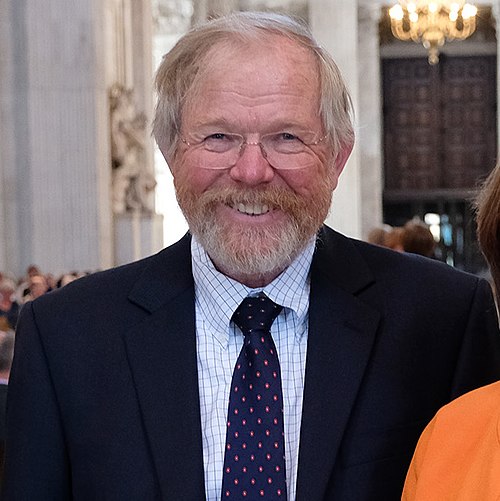
James Campbell (1935–2016) was a British historian and Fellow of Worcester College, Oxford. He specialized in Anglo-Saxon history and was widely recognized for his contributions to early English medieval studies.


Frequently Asked Questions
James Campbell (1935–2016) was a British historian and Fellow of Worcester College, Oxford. He specialized in Anglo-Saxon history and was widely recognized for his contributions to early English medieval studies.
Read James Campbell's books in 15 minutes
Get AI-powered summaries with key insights from 1 book by James Campbell.