
James C. Scott Books
James C. Scott is an American political scientist and anthropologist, and Sterling Professor of Political Science at Yale University.
Known for: Seeing Like a State: How Certain Schemes to Improve the Human Condition Have Failed, Two Cheers for Anarchism: Six Easy Pieces on Autonomy, Dignity, and Meaningful Work and Play, Weapons of the Weak: Everyday Forms of Peasant Resistance
Books by James C. Scott
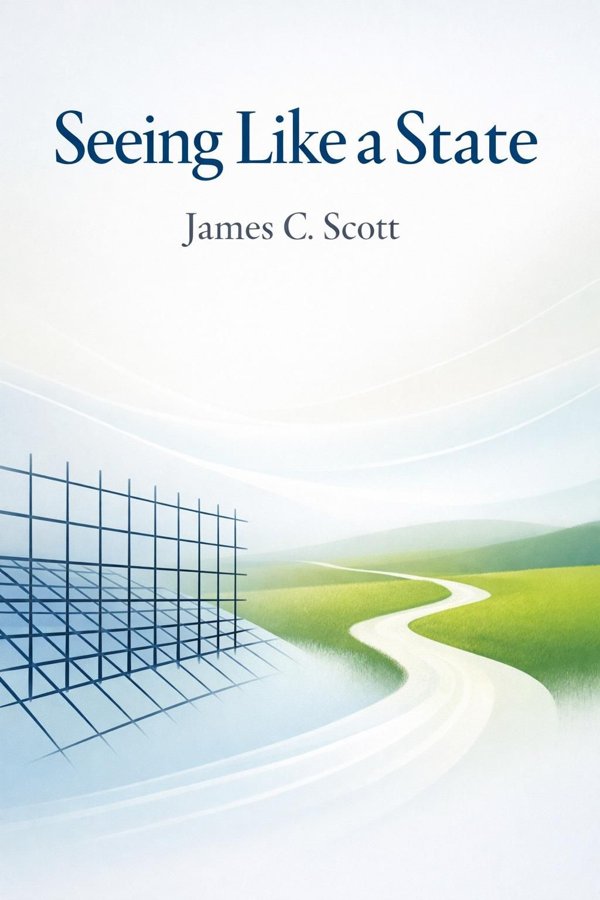
Seeing Like a State: How Certain Schemes to Improve the Human Condition Have Failed
This influential work by political scientist James C. Scott examines how modern states attempt to impose order and legibility on complex societies. Through historical and anthropological case studies,...
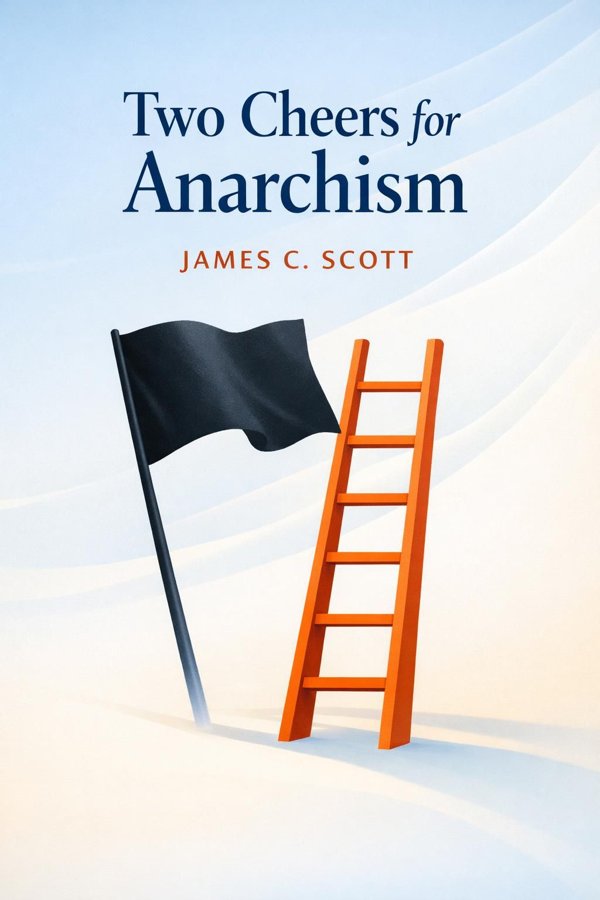
Two Cheers for Anarchism: Six Easy Pieces on Autonomy, Dignity, and Meaningful Work and Play
James C. Scott’s Two Cheers for Anarchism is a spirited defense of everyday freedom. Rather than treating anarchism as a dramatic program for overthrowing the state, Scott presents it as a practical w...
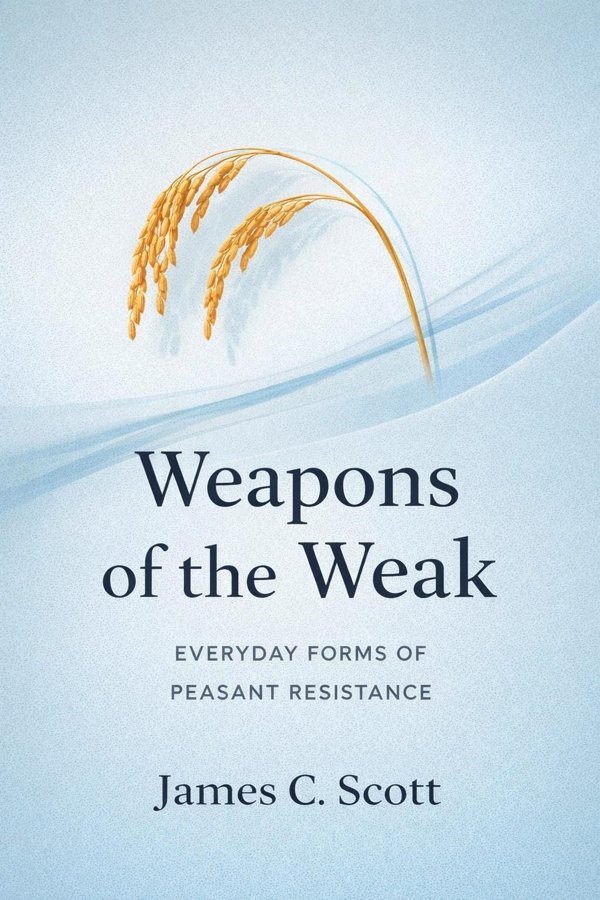
Weapons of the Weak: Everyday Forms of Peasant Resistance
This influential work by political scientist James C. Scott examines the subtle, everyday forms of resistance employed by peasants in a Malaysian village against economic and social domination. Rather...
Key Insights from James C. Scott
High Modernist Ideology
High modernism, as I employ the term, names an extraordinary faith in scientific and technical progress—a conviction that reason and expertise could reconstruct society itself from first principles. It was not simply an intellectual movement but an ethos of certainty. Its heroes were the planners, e...
From Seeing Like a State: How Certain Schemes to Improve the Human Condition Have Failed
The Role of the State: Making Society Legible
To understand why states embrace simplification, one must imagine the problem from the ruler’s point of view. The sovereign, whether monarch or minister, peers across a domain of subjects, fields, and villages that are largely opaque. Local customs, dialects, and inheritances scramble understanding....
From Seeing Like a State: How Certain Schemes to Improve the Human Condition Have Failed
Everyday Anarchism Lives in Small Acts
The most important political acts are often the ones no one records. Scott asks us to stop imagining resistance only as revolution, protest, or regime change and instead notice the countless small ways people preserve independence from authority. Everyday anarchism appears when workers slow down a s...
From Two Cheers for Anarchism: Six Easy Pieces on Autonomy, Dignity, and Meaningful Work and Play
Disorder Often Creates Better Order
What looks messy from above may work beautifully on the ground. One of Scott’s recurring themes is that modern societies worship order: neat plans, clear chains of command, standardized rules, and visible control. Yet much of the order that sustains real life is not designed by officials. It emerges...
From Two Cheers for Anarchism: Six Easy Pieces on Autonomy, Dignity, and Meaningful Work and Play
The Art of Not Being Governed
Freedom is often practiced not by seizing power, but by slipping around it. Scott has long been interested in how people avoid domination, and in this book he extends that interest into a broader reflection on the subtle arts of not being governed. These arts include evasion, negotiation, foot-dragg...
From Two Cheers for Anarchism: Six Easy Pieces on Autonomy, Dignity, and Meaningful Work and Play
Mētis Beats Abstract Expertise
The knowledge that matters most is often the knowledge least visible to experts. Scott uses the Greek term mētis to describe practical, experiential intelligence: the know-how gained through doing, observing, adjusting, and learning in context. It is the wisdom of farmers who know their soil, nurses...
From Two Cheers for Anarchism: Six Easy Pieces on Autonomy, Dignity, and Meaningful Work and Play
About James C. Scott
James C. Scott is an American political scientist and anthropologist, and Sterling Professor of Political Science at Yale University. His research focuses on political economy, peasant resistance, and state formation. Scott is widely known for his works on power, domination, and the ways ordinary pe...
Read more
James C. Scott is an American political scientist and anthropologist, and Sterling Professor of Political Science at Yale University. His research focuses on political economy, peasant resistance, and state formation. Scott is widely known for his works on power, domination, and the ways ordinary pe...
James C. Scott is an American political scientist and anthropologist, and Sterling Professor of Political Science at Yale University. His research focuses on political economy, peasant resistance, and state formation. Scott is widely known for his works on power, domination, and the ways ordinary people resist authority, including 'Weapons of the Weak' and 'The Art of Not Being Governed'.

Frequently Asked Questions
James C. Scott is an American political scientist and anthropologist, and Sterling Professor of Political Science at Yale University.
Read James C. Scott's books in 15 minutes
Get AI-powered summaries with key insights from 3 books by James C. Scott.