
Honoré De Balzac Books
Honoré de Balzac (1799–1850) was a major French novelist and playwright, best known for his monumental series The Human Comedy, which offers a detailed panorama of French society in the early 19th century. His works profoundly influenced later writers and the development of literary realism.
Known for: Cousin Bette, Father Goriot, Lost Illusions, The Human Comedy, The Village Priest, The Wild Ass's Skin
Books by Honoré De Balzac
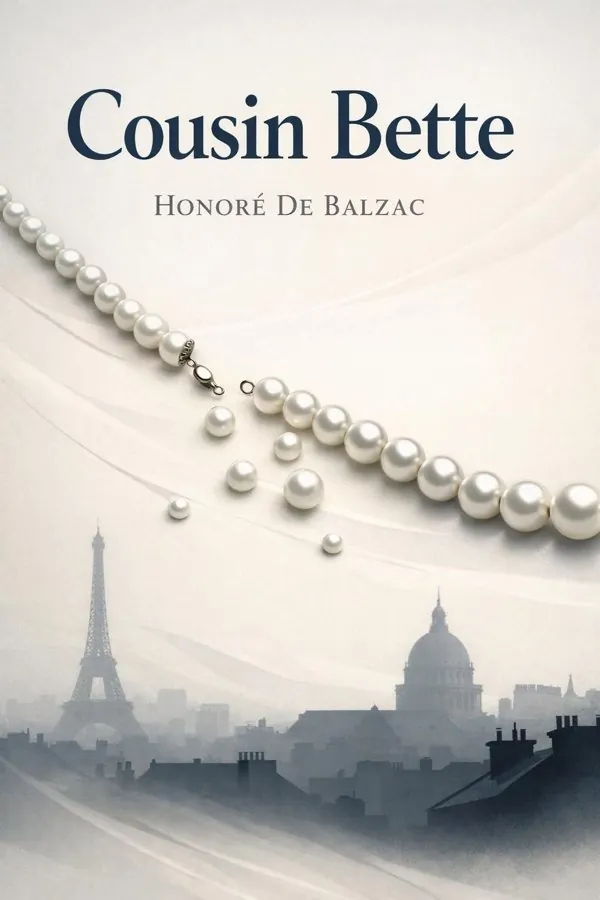
Cousin Bette
Cousin Bette is one of Honoré de Balzac’s darkest and most penetrating novels, first published in 1846 as part of his vast literary project, The Human Comedy. On the surface, it is a story of family r...

Father Goriot
Originally published in 1835, Father Goriot is one of Honoré De Balzac’s finest achievements and a cornerstone of literary realism. Set largely inside the shabby Maison Vauquer boarding house in Paris...

Lost Illusions
What destroys a promising life more quickly: poverty, lack of talent, or the craving to be admired? In Lost Illusions, Honoré De Balzac offers a brutal answer through the story of Lucien Chardon, a gi...
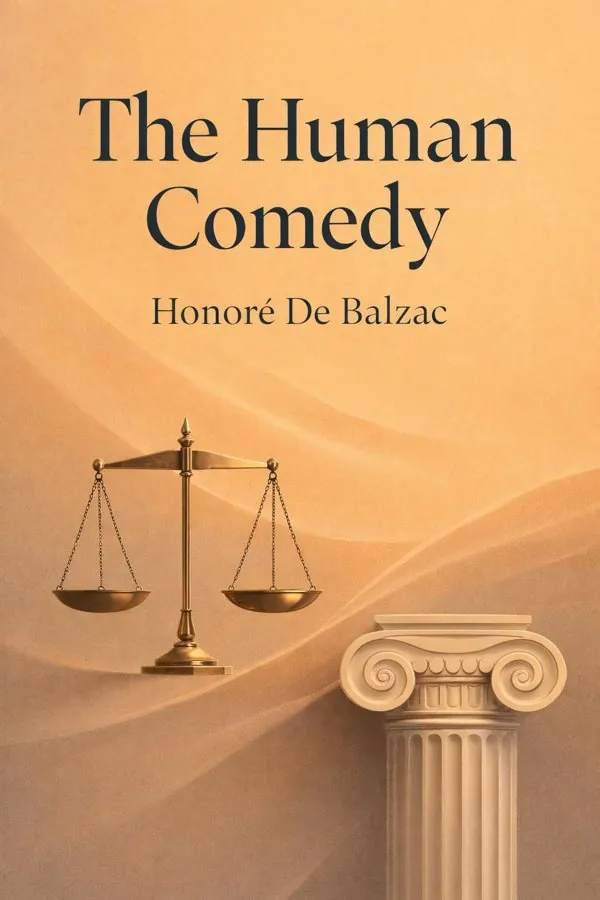
The Human Comedy
The Human Comedy is a monumental collection of over ninety works written by Honoré de Balzac between 1829 and 1850. It presents a comprehensive portrait of French society during the Restoration and th...

The Village Priest
Originally published in 1839, The Village Priest is one of Honoré de Balzac’s most morally ambitious novels, combining social realism, spiritual drama, and psychological depth. At its center is Véroni...
The Wild Ass's Skin
First published in 1831, 'The Wild Ass's Skin' is a philosophical novel that tells the story of Raphaël de Valentin, a young man who discovers a magical piece of shagreen that grants his every wish bu...
Key Insights from Honoré De Balzac
The Hulot Family and Social Decay
Respectability can survive scandal for a while, but it rarely survives corruption at its core. At the center of Cousin Bette stands the Hulot family, a household that appears established, cultured, and secure within Parisian society. Baron Hector Hulot holds administrative power and enjoys the prest...
From Cousin Bette
Cousin Bette and Resentment in Silence
Neglect can harden into a force more destructive than open hatred. Lisbeth Fischer, called Cousin Bette, is one of Balzac’s most unforgettable creations precisely because she is not a conventional villain. She is poor, unmarried, aging, and socially diminished beside her beautiful and better-connect...
From Cousin Bette
Wenceslas Steinbock and the Seduction of Dependency
Talent without discipline often becomes another form of helplessness. Bette’s relationship with the young artist Wenceslas Steinbock reveals one of the novel’s central patterns: the way emotional need and economic dependence create unstable bonds. When Bette rescues Wenceslas from poverty and despai...
From Cousin Bette
Adeline, Hector, and the Cost of Forgiveness
Virtue becomes dangerous when it refuses to recognize evil clearly. Adeline Hulot is among Balzac’s most morally admirable figures: loyal, compassionate, forgiving, and astonishingly patient. She endures her husband Hector’s infidelities, debts, lies, and humiliations with almost saintly devotion. S...
From Cousin Bette
Valérie Marneffe and Strategic Desire
Charm becomes most dangerous when it is treated as innocence rather than power. Madame Valérie Marneffe enters the novel as one of Balzac’s great embodiments of seductive manipulation. Beautiful, calculating, and socially agile, she understands how desire can be converted into money, influence, prot...
From Cousin Bette
Revenge as a Slow Social Mechanism
The most effective revenge often looks, at first, like ordinary social life. One of Balzac’s greatest achievements in Cousin Bette is showing that destruction does not always arrive dramatically. It can unfold through dinner invitations, introductions, financial arrangements, whispered confidences, ...
From Cousin Bette
About Honoré De Balzac
Honoré de Balzac (1799–1850) was a major French novelist and playwright, best known for his monumental series The Human Comedy, which offers a detailed panorama of French society in the early 19th century. His works profoundly influenced later writers and the development of literary realism.





Frequently Asked Questions
Honoré de Balzac (1799–1850) was a major French novelist and playwright, best known for his monumental series The Human Comedy, which offers a detailed panorama of French society in the early 19th century. His works profoundly influenced later writers and the development of literary realism.
Read Honoré De Balzac's books in 15 minutes
Get AI-powered summaries with key insights from 6 books by Honoré De Balzac.