
Harold Bloom Books
Harold Bloom (1930–2019) was an American literary critic and professor known for his influential theories on literary canon and interpretation. He taught at Yale University and wrote extensively on Shakespeare, Romantic poets, and the Western literary tradition.
Known for: Genius
Books by Harold Bloom

Genius
What makes a writer, thinker, or artist truly unforgettable? In Genius, Harold Bloom takes on that ambitious question by guiding readers through a vast gallery of the world’s greatest creative minds. Rather than offering a scientific theory of intelligence or a self-help formula for brilliance, Bloom explores genius as a literary and cultural force: a rare capacity to reshape language, deepen human consciousness, and alter how later generations imagine reality. Moving across centuries and civilizations, he considers figures such as Shakespeare, Dante, Cervantes, Tolstoy, and many others, asking what sets them apart and why their work continues to feel alive. The book matters because it defends the enduring value of reading deeply in an age often distracted by speed, fashion, and ideology. Bloom writes not as a neutral cataloger but as one of the most influential literary critics of the modern era, known for his passionate engagement with the Western canon and his bold, often controversial judgments. Genius is both a celebration of extraordinary creativity and an invitation to become a more serious, attentive reader.
Read SummaryKey Insights from Harold Bloom
Genius Transforms Language Into Consciousness
The surest sign of genius, Bloom suggests, is not fame or technical mastery, but the power to change how we think and feel through language. Great writers do more than tell stories or express ideas. They expand consciousness itself. After reading them, we do not simply remember their plots or argume...
From Genius
Originality Is More Than Mere Novelty
Many works are new; very few are original in the way Bloom values. Novelty can be fashionable, clever, or disruptive for a moment, but genius possesses a deeper originality: it feels inevitable once encountered, even though no one before fully achieved it. Bloom is fascinated by creators who seem to...
From Genius
The Canon Preserves Living Greatness
A canon, in Bloom’s view, is not simply a school reading list or a cultural badge of prestige. At its best, it is the record of works that continue to exercise exceptional imaginative power across time. Bloom defends the canon because he believes human beings need contact with the strongest minds an...
From Genius
Reading Deeply Is A Form Of Freedom
One of Bloom’s most provocative claims is that reading at the highest level is not primarily a social duty but a mode of individual liberation. We often speak about books in terms of education, citizenship, or cultural literacy, all of which matter. But Bloom returns again and again to the solitary,...
From Genius
Genius Exists Beyond Historical Explanation
Bloom does not deny that writers emerge from particular times and places, but he resists the idea that context can fully explain greatness. A historical account can tell us about influences, conditions, institutions, and audiences. What it cannot completely explain is the singular leap by which a cr...
From Genius
Shakespeare Stands At Bloom’s Center
If Genius has a gravitational center, it is Shakespeare. Bloom regards him not simply as the greatest dramatist in English but as the writer who most fully created the modern sense of personality. Shakespeare’s characters do not merely enact roles; they overhear themselves, revise themselves, and be...
From Genius
About Harold Bloom
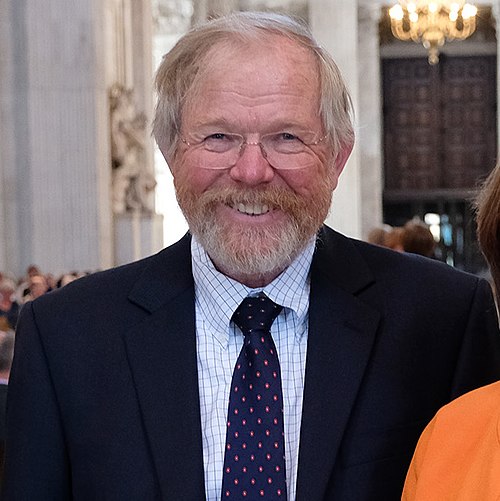
Harold Bloom (1930–2019) was an American literary critic and professor known for his influential theories on literary canon and interpretation. He taught at Yale University and wrote extensively on Shakespeare, Romantic poets, and the Western literary tradition.


Frequently Asked Questions
Harold Bloom (1930–2019) was an American literary critic and professor known for his influential theories on literary canon and interpretation. He taught at Yale University and wrote extensively on Shakespeare, Romantic poets, and the Western literary tradition.
Read Harold Bloom's books in 15 minutes
Get AI-powered summaries with key insights from 1 book by Harold Bloom.