
H. G. Wells Books
Herbert George Wells (1866–1946) was an English writer best known for his pioneering works of science fiction, including The War of the Worlds, The Invisible Man, and The Time Machine. Often called the 'father of science fiction,' Wells also wrote extensively on social commentary, history, and politics, influencing both literature and modern thought.
Known for: The Time Machine, The War of the Worlds
Books by H. G. Wells
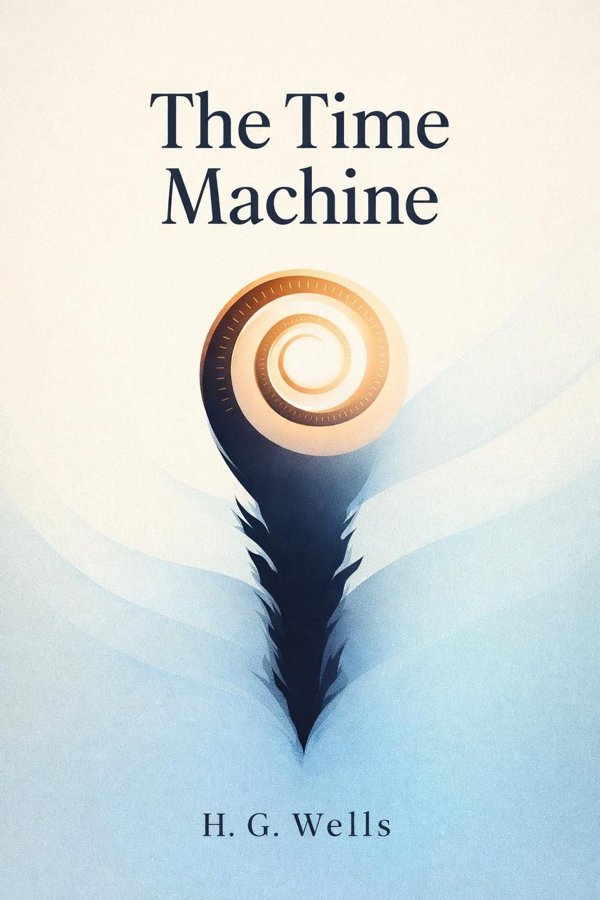
The Time Machine
The Time Machine is a science fiction novella by H. G. Wells, first published in 1895. It tells the story of an English scientist known as the Time Traveller who invents a machine that allows him to t...
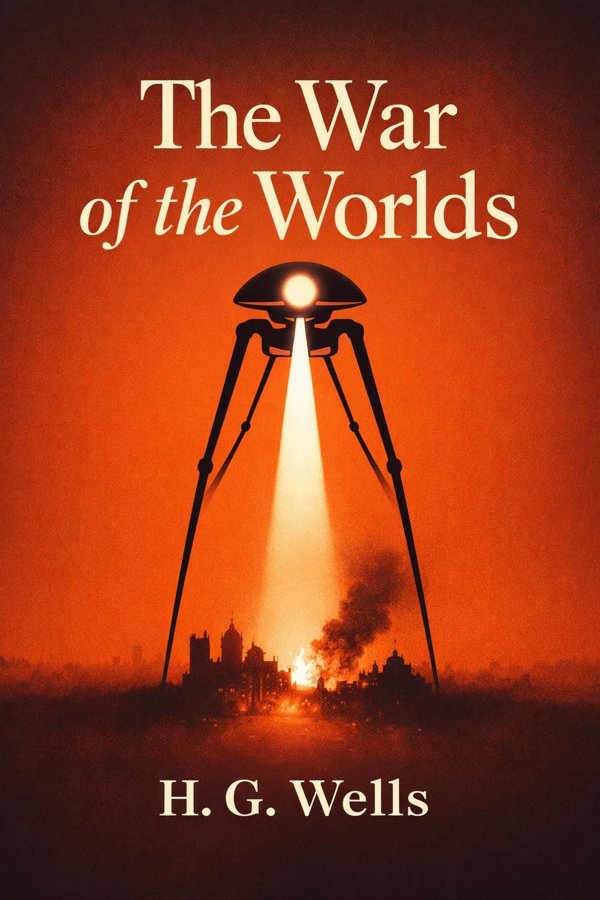
The War of the Worlds
The War of the Worlds is one of the defining works of science fiction: a gripping invasion story, a survival narrative, and a sharp critique of human arrogance all at once. First published in 1898, H....
Key Insights from H. G. Wells
Construction of the Full-Scale Time Machine
After the dinner that introduced the astonishing concept of time travel, the Time Traveller dedicates himself wholly to the task of translating theory into reality. His laboratory becomes a sanctuary of pursuit, filled with shining metal, intricate dials, and delicate levers—symbols of human ingenui...
From The Time Machine
First Journey Through Time
The activation of the machine marks one of the most electrifying transitions in all imaginative literature. As the Time Traveller grips the levers, space itself trembles and the familiar world dissolves. Time elongates and contracts before his eyes—the sun streaking across the sky, days flashing int...
From The Time Machine
The First Cylinder Changes Everything
History often begins not with a dramatic proclamation but with a misunderstood event. In The War of the Worlds, the crisis starts when astronomers observe strange eruptions on Mars and then a metal cylinder crashes onto the English countryside. At first, the incident feels almost manageable. Crowds ...
From The War of the Worlds
The Martians Redefine the Human Position
Nothing unsettles people more than discovering they are no longer at the center of the story. When the Martians emerge from the cylinder, they are grotesque, vulnerable-looking, and yet terrifyingly alien. They do not resemble heroic conquerors or familiar monsters; instead, they are products of a c...
From The War of the Worlds
Military Power Fails Against New Warfare
Institutions look strongest right before they confront a challenge they were never designed to meet. As more cylinders land and the British military mobilizes, Wells stages a devastating collision between old confidence and new forms of warfare. Artillery is assembled, roads fill with troops, and of...
From The War of the Worlds
Flight Reveals Civilization’s Thin Surface
Order is often less permanent than it appears. As the Martians advance through Surrey and beyond, the narrator’s desperate journey turns the novel into a study of panic. Roads clog, families separate, rumors spread faster than facts, and the routines of daily life collapse almost overnight. Wells sh...
From The War of the Worlds
About H. G. Wells
Herbert George Wells (1866–1946) was an English writer best known for his pioneering works of science fiction, including The War of the Worlds, The Invisible Man, and The Time Machine. Often called the 'father of science fiction,' Wells also wrote extensively on social commentary, history, and polit...
Read more
Herbert George Wells (1866–1946) was an English writer best known for his pioneering works of science fiction, including The War of the Worlds, The Invisible Man, and The Time Machine. Often called the 'father of science fiction,' Wells also wrote extensively on social commentary, history, and polit...
Herbert George Wells (1866–1946) was an English writer best known for his pioneering works of science fiction, including The War of the Worlds, The Invisible Man, and The Time Machine. Often called the 'father of science fiction,' Wells also wrote extensively on social commentary, history, and politics, influencing both literature and modern thought.


Frequently Asked Questions
Herbert George Wells (1866–1946) was an English writer best known for his pioneering works of science fiction, including The War of the Worlds, The Invisible Man, and The Time Machine. Often called the 'father of science fiction,' Wells also wrote extensively on social commentary, history, and politics, influencing both literature and modern thought.
Read H. G. Wells's books in 15 minutes
Get AI-powered summaries with key insights from 2 books by H. G. Wells.