
Gary A. Haugen Books
Haugen is the founder and CEO of International Justice Mission, known for his work in human rights and anti-slavery advocacy.
Known for: The Locust Effect: Why the End of Poverty Requires the End of Violence
Books by Gary A. Haugen
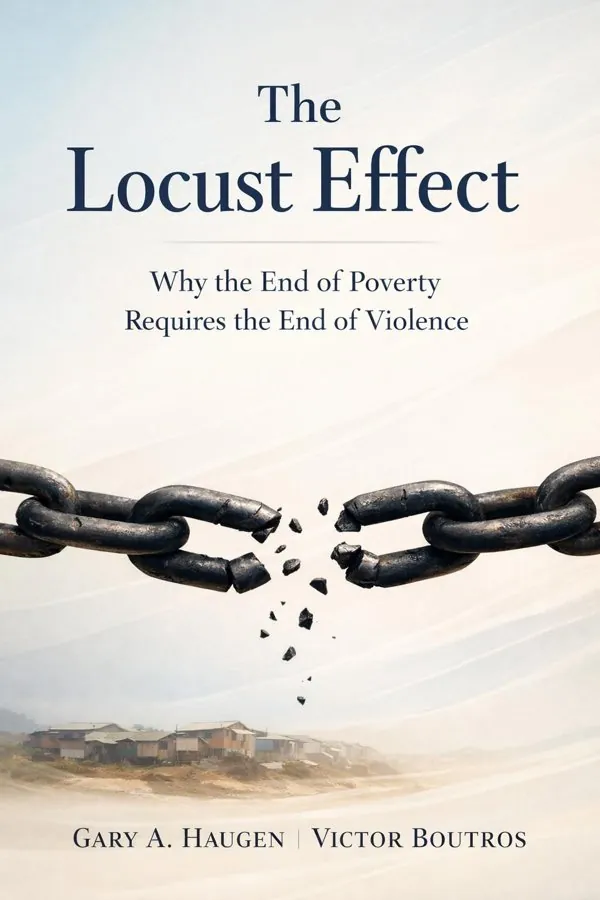
The Locust Effect: Why the End of Poverty Requires the End of Violence
Why do billions of dollars in aid, development, and economic reform still fail to lift many communities out of poverty? In The Locust Effect, Gary A. Haugen and Victor Boutros argue that one crucial answer is often ignored: everyday violence. For the world’s poorest people, the greatest threat is not only hunger, disease, or lack of opportunity, but the constant risk of abuse, exploitation, forced labor, sexual assault, land theft, and police corruption. Like a swarm of locusts devouring a harvest, violence destroys the gains of the poor before they can take root. The book reframes poverty as not just an economic problem but a justice problem. Haugen, founder of International Justice Mission, and Boutros, a federal prosecutor and legal scholar, draw on years of frontline experience investigating violence against vulnerable communities. Their central claim is both urgent and practical: the end of extreme poverty will remain out of reach unless societies build reliable systems of law enforcement and justice that protect poor people from everyday predation. This is a powerful, unsettling, and deeply important book for anyone interested in development, human rights, policy, or the true conditions facing the global poor.
Read SummaryKey Insights from Gary A. Haugen
Poverty Persists Where Violence Goes Unchecked
A person cannot build a future when survival is under daily attack. One of the book’s most powerful insights is that extreme poverty is sustained not only by lack of resources, but by the constant presence of violence that strips people of whatever progress they make. Haugen and Boutros describe vio...
From The Locust Effect: Why the End of Poverty Requires the End of Violence
The Poor Live Outside Real Protection
Justice is often promised to everyone, but in many places it is delivered only to the powerful. Haugen and Boutros argue that the global poor are not merely underserved by justice systems; they are effectively excluded from them. On paper, laws may forbid slavery, rape, assault, or land theft. In re...
From The Locust Effect: Why the End of Poverty Requires the End of Violence
Everyday Violence Is a Development Crisis
What if violence against the poor is not a side issue in development, but one of its central failures? Haugen and Boutros make exactly this case. They argue that everyday violence should be treated with the same seriousness as disease, illiteracy, and hunger because it blocks progress across nearly ...
From The Locust Effect: Why the End of Poverty Requires the End of Violence
Weak Justice Systems Empower Predators
Predators thrive where consequences disappear. A major theme of The Locust Effect is that violence against the poor persists not because it is culturally inevitable, but because local justice systems are too weak to restrain it. Haugen and Boutros reject fatalistic explanations that portray abuse as...
From The Locust Effect: Why the End of Poverty Requires the End of Violence
Justice Reform Must Be Locally Grounded
Real change rarely comes from imported slogans; it comes from transforming how institutions behave on the ground. Haugen and Boutros stress that ending violence against the poor cannot be achieved by abstract declarations alone. International conventions, national laws, and donor frameworks are impo...
From The Locust Effect: Why the End of Poverty Requires the End of Violence
Protection Unlocks Human and Economic Potential
Safety is not a luxury that follows prosperity; it is a precondition for it. One of the book’s most hopeful ideas is that protecting poor people from violence can unleash enormous human and economic potential. Haugen and Boutros do not present justice reform merely as a moral obligation, though it c...
From The Locust Effect: Why the End of Poverty Requires the End of Violence
About Gary A. Haugen
Haugen is the founder and CEO of International Justice Mission, known for his work in human rights and anti-slavery advocacy.


Frequently Asked Questions
Haugen is the founder and CEO of International Justice Mission, known for his work in human rights and anti-slavery advocacy.
Read Gary A. Haugen's books in 15 minutes
Get AI-powered summaries with key insights from 1 book by Gary A. Haugen.