
Frank Kermode Books
Frank Kermode (1919–2010) was a British literary critic and scholar, known for his profound contributions to the study of modern literature and theory. He taught at several leading universities, including Cambridge and Harvard, and was knighted for his services to literature.
Known for: The Sense of an Ending: Studies in the Theory of Fiction
Books by Frank Kermode
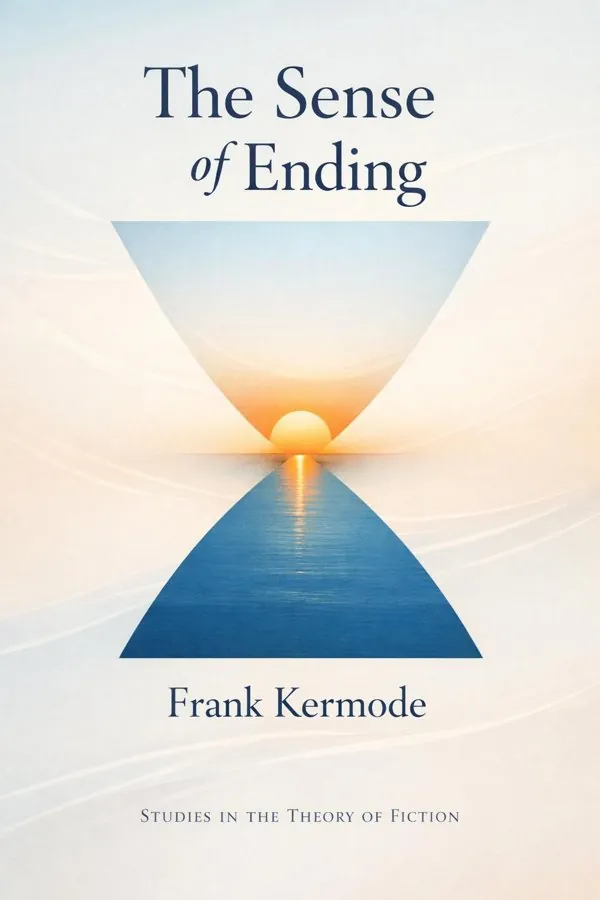
The Sense of an Ending: Studies in the Theory of Fiction
Why do human beings find it so difficult to live in open-ended time? In The Sense of an Ending, Frank Kermode offers one of the most influential answers in modern literary criticism: we endure the uncertainty of life by turning it into story. We imagine beginnings, middles, and especially endings in order to give shape to experience that otherwise feels chaotic, unfinished, and morally unclear. Drawing on biblical prophecy, apocalyptic writing, philosophy, and modern literature, Kermode shows that narrative is not merely entertainment. It is one of the chief ways individuals and cultures make time meaningful. What makes this book matter is that it moves far beyond literary technique. Kermode explains why endings grip us so powerfully, why historical crises revive visions of apocalypse, and why readers constantly reinterpret texts to fit changing times. His argument sheds light on novels, religion, politics, and even everyday self-understanding. As one of the twentieth century’s most respected literary critics, Kermode writes with rare authority, combining scholarly depth with intellectual elegance. The result is a classic study of how fiction helps us live between the “tick” of our beginning and the “tock” of our end.
Read SummaryKey Insights from Frank Kermode
The Apocalyptic Imagination Orders Time
Human beings rarely tolerate chaos for long; we instinctively turn uncertainty into a plot. Kermode begins with the idea of apocalypse because it dramatizes our deepest habit of mind: the desire to see history as moving toward a meaningful end. Apocalyptic narratives do more than predict catastrophe...
From The Sense of an Ending: Studies in the Theory of Fiction
Fiction Gives Shape to Duration
Life is lived in fragments, but fiction makes it feel whole. For Kermode, the great function of fiction is not simply to imitate reality but to organize temporal experience. Human life unfolds as scattered episodes, delays, disappointments, and accidents. Stories transform that raw sequence into som...
From The Sense of an Ending: Studies in the Theory of Fiction
The Tick and the Tock
A simple clock can teach a theory of narrative. Kermode’s famous image of the “tick” and the “tock” shows how humans create significance by placing a middle between a beginning and an end. Tick and tock are merely sequential sounds, but once we hear them as a pair, the interval acquires structure. T...
From The Sense of an Ending: Studies in the Theory of Fiction
Interpretation Always Happens Near Endings
We understand events differently when we believe we are close to an ending. Kermode shows that interpretation is deeply affected by our sense of temporal position. Readers, critics, and cultures all ask different questions when they think they are living in a decisive moment. Texts are then mined fo...
From The Sense of an Ending: Studies in the Theory of Fiction
Modernity Creates a Crisis of Meaning
The modern world weakens old certainties without weakening our need for them. Kermode argues that one of modernity’s central tensions is the collapse of inherited cosmic frameworks alongside the persistence of the human desire for pattern. Traditional religious systems once placed individuals within...
From The Sense of an Ending: Studies in the Theory of Fiction
Literature Tests Theories of Time
Great works of literature do not merely contain stories; they test rival ways of imagining time. Kermode moves across texts from scripture to modern novels to show that literature is a laboratory for temporal form. Some works affirm linear movement toward fulfillment, while others disrupt chronology...
From The Sense of an Ending: Studies in the Theory of Fiction
About Frank Kermode
Frank Kermode (1919–2010) was a British literary critic and scholar, known for his profound contributions to the study of modern literature and theory. He taught at several leading universities, including Cambridge and Harvard, and was knighted for his services to literature. His works often explore...
Read more
Frank Kermode (1919–2010) was a British literary critic and scholar, known for his profound contributions to the study of modern literature and theory. He taught at several leading universities, including Cambridge and Harvard, and was knighted for his services to literature. His works often explore...
Frank Kermode (1919–2010) was a British literary critic and scholar, known for his profound contributions to the study of modern literature and theory. He taught at several leading universities, including Cambridge and Harvard, and was knighted for his services to literature. His works often explore the relationship between fiction, interpretation, and the human search for meaning.


Frequently Asked Questions
Frank Kermode (1919–2010) was a British literary critic and scholar, known for his profound contributions to the study of modern literature and theory. He taught at several leading universities, including Cambridge and Harvard, and was knighted for his services to literature.
Read Frank Kermode's books in 15 minutes
Get AI-powered summaries with key insights from 1 book by Frank Kermode.