
F. A. Hayek Books
Friedrich August von Hayek (1899–1992) was an Austrian-British economist and philosopher known for his defense of classical liberalism and free-market capitalism. He was awarded the Nobel Prize in Economic Sciences in 1974 and is regarded as one of the most influential thinkers in economics and political philosophy of the twentieth century.
Known for: The Constitution of Liberty, The Fatal Conceit: The Errors of Socialism
Books by F. A. Hayek
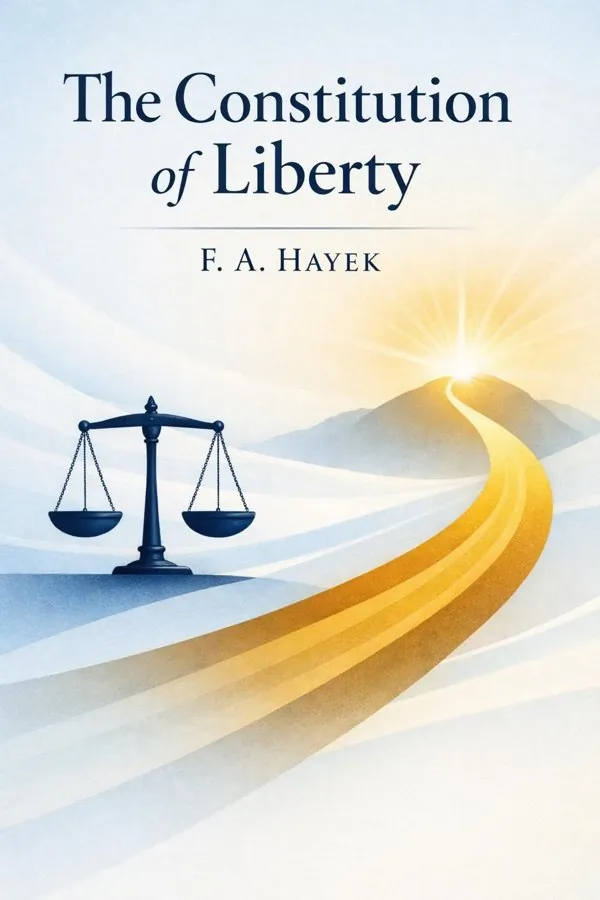
The Constitution of Liberty
What makes a society truly free—and how can it stay free without sliding into chaos, coercion, or paternalism? In The Constitution of Liberty, F. A. Hayek offers one of the twentieth century’s most in...
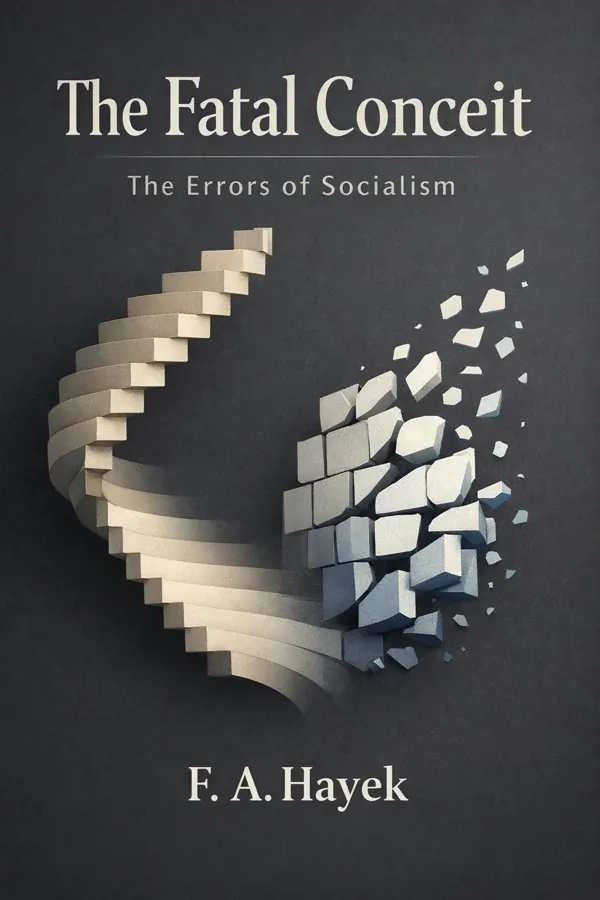
The Fatal Conceit: The Errors of Socialism
In The Fatal Conceit, F. A. Hayek delivers one of the most forceful critiques of socialism ever written, but his argument reaches far beyond politics or economics. At the heart of the book is a decept...
Key Insights from F. A. Hayek
Freedom and Economic Order
Civilization advances not because anyone designed it from above, but because free people are allowed to try, fail, adapt, and improve. Hayek’s central claim is that liberty is not just one value among many; it is the condition that makes learning, innovation, and social cooperation possible. When in...
From The Constitution of Liberty
Planning and Competition
What looks messy from a distance is often the hidden source of progress. Hayek challenges the common belief that competition is wasteful while planning is rational and efficient. Competition certainly appears untidy: firms fail, prices change, resources move, and no single person seems in charge. Ye...
From The Constitution of Liberty
The Logic of Socialism
A system can be morally appealing in intention and still fail in practice because it misunderstands how society works. Hayek’s critique of socialism is not merely that it threatens freedom, but that it rests on an impossible informational task. Socialism promises conscious direction of economic life...
From The Constitution of Liberty
The Descent into Tyranny
Freedom is rarely lost all at once; it is usually surrendered in the name of urgent goals. Hayek warns that societies do not move toward tyranny only through violent coups or openly authoritarian ideologies. They can drift there gradually when citizens accept ever-growing political control over econ...
From The Constitution of Liberty
Democracy Is Not Unlimited Power
Majority rule is valuable, but it is not the same thing as liberty. Hayek insists that democracy is a method for peaceful change of government, not a moral blank check for the majority to do whatever it wants. A society remains free only when democratic power is limited by stable rules that protect ...
From The Constitution of Liberty
Knowledge and Decentralized Decision-Making
The most important facts guiding social life are often known only to scattered individuals at the moment they act. Hayek’s famous insight about knowledge explains why decentralized decision-making is not just politically attractive but practically superior in complex societies. No authority, however...
From The Constitution of Liberty
About F. A. Hayek
Friedrich August von Hayek (1899–1992) was an Austrian-British economist and philosopher known for his defense of classical liberalism and free-market capitalism. He was awarded the Nobel Prize in Economic Sciences in 1974 and is regarded as one of the most influential thinkers in economics and poli...
Read more
Friedrich August von Hayek (1899–1992) was an Austrian-British economist and philosopher known for his defense of classical liberalism and free-market capitalism. He was awarded the Nobel Prize in Economic Sciences in 1974 and is regarded as one of the most influential thinkers in economics and poli...
Friedrich August von Hayek (1899–1992) was an Austrian-British economist and philosopher known for his defense of classical liberalism and free-market capitalism. He was awarded the Nobel Prize in Economic Sciences in 1974 and is regarded as one of the most influential thinkers in economics and political philosophy of the twentieth century.


Frequently Asked Questions
Friedrich August von Hayek (1899–1992) was an Austrian-British economist and philosopher known for his defense of classical liberalism and free-market capitalism. He was awarded the Nobel Prize in Economic Sciences in 1974 and is regarded as one of the most influential thinkers in economics and political philosophy of the twentieth century.
Read F. A. Hayek's books in 15 minutes
Get AI-powered summaries with key insights from 2 books by F. A. Hayek.