
David Reynolds Books
David Reynolds is a British historian and professor of international history at the University of Cambridge. He is known for his works on twentieth-century history, particularly the two world wars and transatlantic relations.
Known for: The Long Shadow: The Great War and the Twentieth Century
Books by David Reynolds
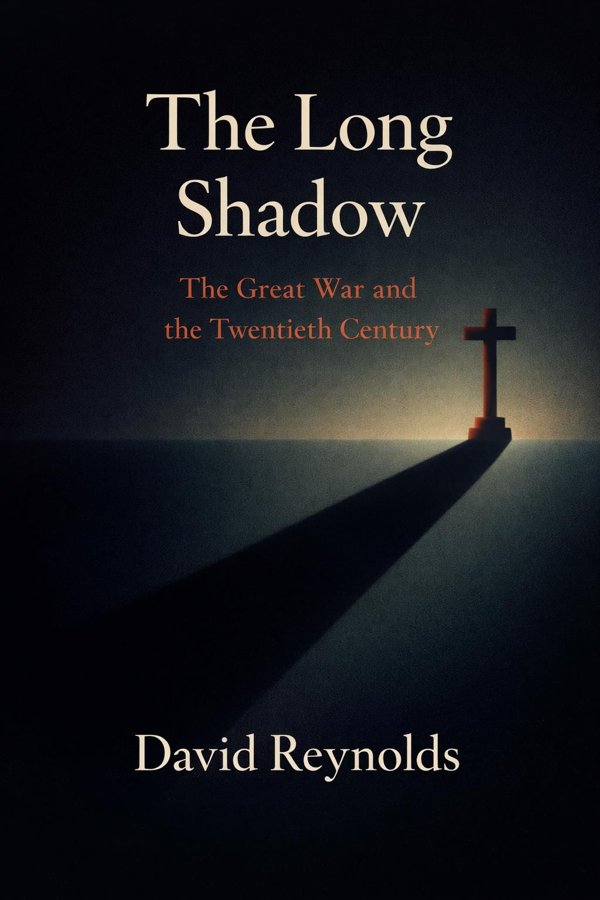
The Long Shadow: The Great War and the Twentieth Century
Some wars end with treaties; others continue by shaping everything that follows. In The Long Shadow: The Great War and the Twentieth Century, historian David Reynolds argues that World War I did not simply devastate Europe between 1914 and 1918—it fundamentally reordered the political, cultural, and moral landscape of the modern world. Rather than focusing only on trench warfare and battlefield suffering, Reynolds traces how the conflict reverberated through the collapse of empires, the rise of new ideologies, the making of World War II, the Cold War, decolonization, and the ever-changing politics of memory. His central insight is that the Great War mattered not only because of what happened during it, but because later generations kept returning to it, reinterpreting it, and using it to explain their own crises. That makes this book especially relevant today, when public debates about nationalism, remembrance, trauma, and international order remain deeply shaped by twentieth-century precedents. As a distinguished Cambridge historian of war and global politics, Reynolds brings wide-ranging scholarship, narrative clarity, and intellectual balance to a subject too often reduced to clichés.
Read SummaryKey Insights from David Reynolds
1918 Was Reckoning, Not Peace
The end of fighting did not mean the beginning of stability. Reynolds shows that 1918 is often misunderstood as a clean dividing line between war and peace, when in reality it opened a period of chaos, uncertainty, and unfinished conflict. Empires that had dominated Europe for generations—the German...
From The Long Shadow: The Great War and the Twentieth Century
Peace Treaties Can Plant Future Wars
A settlement designed to end war can also preserve its logic. Reynolds treats the Paris Peace Conference and the Treaty of Versailles not as simple morality tales of justice or revenge, but as flawed efforts to build order from wreckage. The peacemakers faced impossible pressures: punish aggression,...
From The Long Shadow: The Great War and the Twentieth Century
Mourning Shaped Politics and Identity
How societies remember the dead can shape how they imagine the nation. Reynolds pays close attention to memory and mourning after World War I, showing that mass death was not only a private tragedy but a public force. With millions killed and many bodies never returned home, families and states crea...
From The Long Shadow: The Great War and the Twentieth Century
The Interwar Years Were Not Intermission
The period between 1918 and 1939 is often treated as a pause between two world wars, but Reynolds insists it was a decisive era in its own right. The interwar years were a laboratory of political experimentation, social anxiety, and institutional weakness. Liberal democracy survived in some places, ...
From The Long Shadow: The Great War and the Twentieth Century
World War Two Extended the First
The Second World War did not emerge from nowhere; in crucial ways, it resumed unresolved struggles from the first. Reynolds does not collapse the two conflicts into one event, but he shows how deeply connected they were. Territorial disputes, grievances over the peace settlements, ideological polari...
From The Long Shadow: The Great War and the Twentieth Century
The Cold War Rewrote Great War Memory
Each generation remembers old wars through the lens of its own fears. Reynolds shows that the meaning of World War I changed dramatically after 1945 because the Cold War reorganized political priorities and historical interpretation. In Western Europe and the United States, attention shifted toward ...
From The Long Shadow: The Great War and the Twentieth Century
About David Reynolds
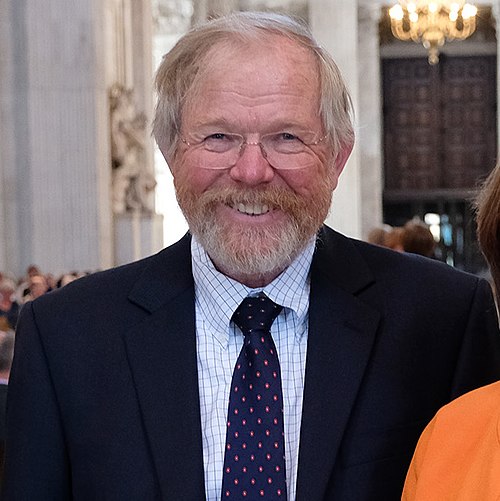
David Reynolds is a British historian and professor of international history at the University of Cambridge. He is known for his works on twentieth-century history, particularly the two world wars and transatlantic relations.


Frequently Asked Questions
David Reynolds is a British historian and professor of international history at the University of Cambridge. He is known for his works on twentieth-century history, particularly the two world wars and transatlantic relations.
Read David Reynolds's books in 15 minutes
Get AI-powered summaries with key insights from 1 book by David Reynolds.